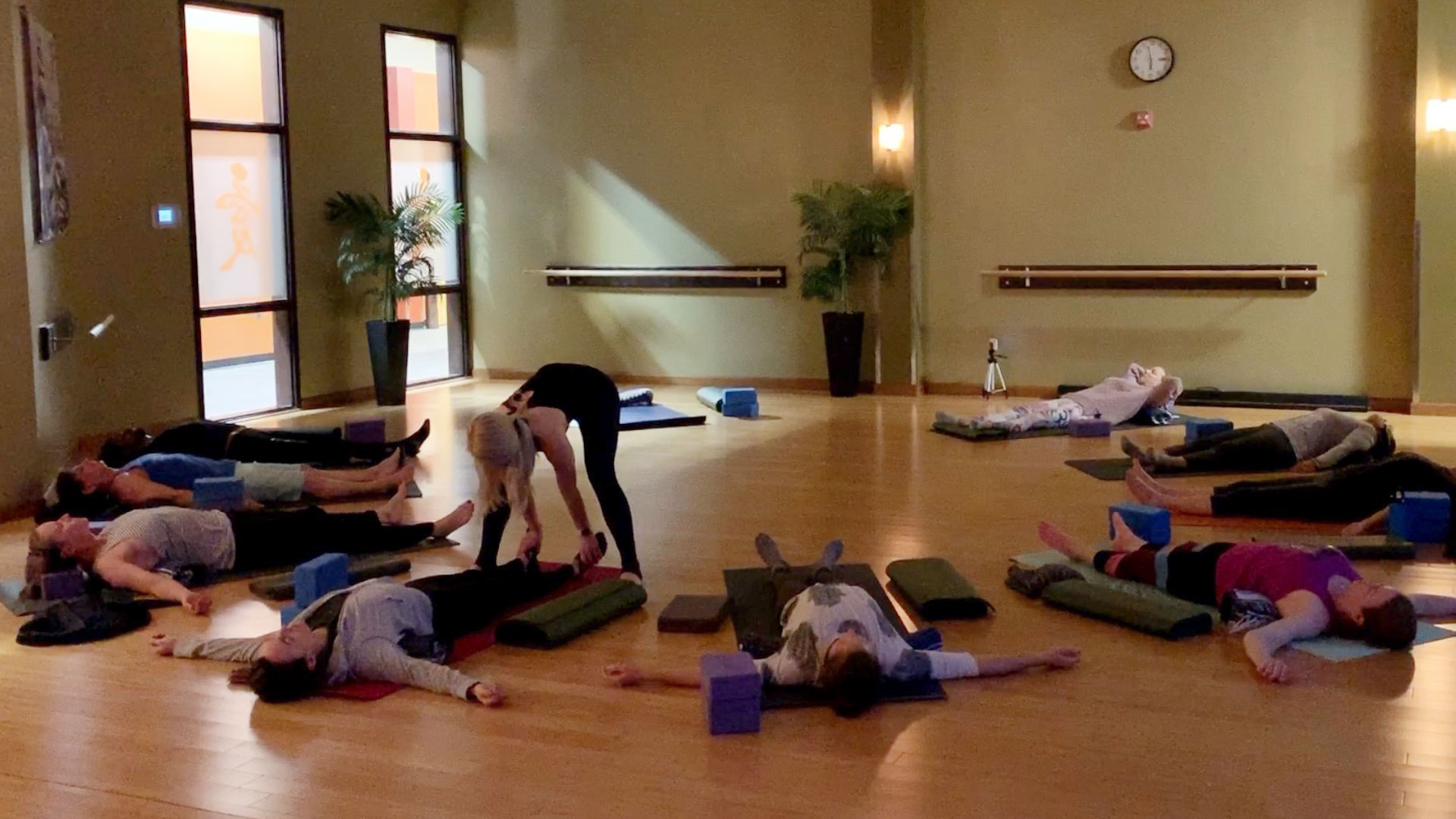
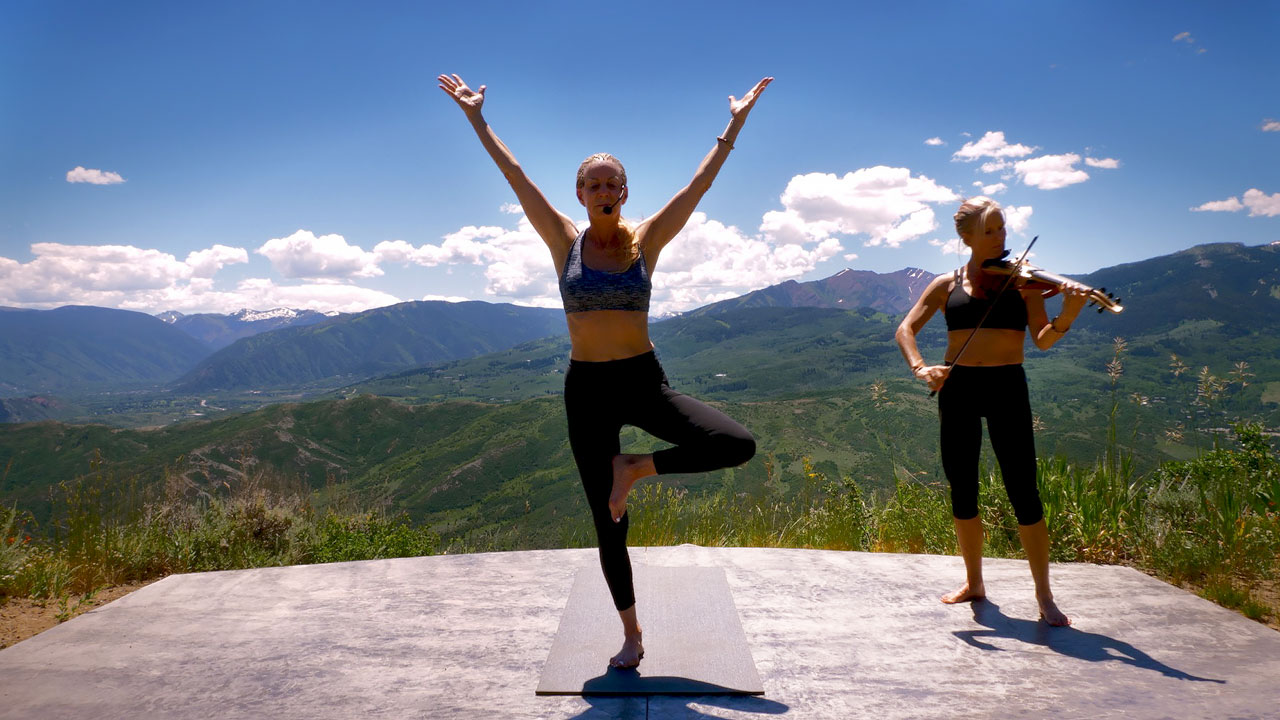
Some students picture online yoga teacher training as a stack of prerecorded videos and a final quiz. Others worry it will feel too distant, too technical, or too thin to hold the depth yoga deserves. The truth is more human than that. If you’re asking how does online yoga teacher training work, the answer is that it blends structure, personal practice, live guidance, study, reflection, and community in a way that can be surprisingly intimate when the program is well designed.
Online training is not a lesser version of in-person study. It is a different container. For many people, it is the first format that makes teacher training truly possible – especially if you are balancing work, parenting, travel, finances, or a body that needs rest and flexibility. And when the training is rooted in real lineage, strong mentorship, and meaningful connection, the screen becomes a doorway rather than a barrier.
How online yoga teacher training works in real life
At its core, online yoga teacher training follows the same broad arc as an in-person certification. You study yoga philosophy, anatomy, teaching methodology, ethics, sequencing, cueing, meditation, pranayama, and the history and roots of the practice. You also practice teaching, receive feedback, and complete the hours required for your training level.
The difference is in how those hours are delivered. Instead of gathering in one studio every weekend, you move through a digital learning experience that may include on-demand lessons, live virtual sessions, written assignments, group discussion, and home practice. Some schools are entirely self-paced, while others combine flexible study with scheduled calls or immersion weekends.
A strong online program usually gives you a learning portal where your curriculum lives. Inside, you might find recorded lectures, guided practices, reading materials, workbooks, quizzes, and prompts for reflection. That creates freedom, but it also asks something of you. You become an active participant in your own rhythm of study.
What you’ll actually do during training
Most students want to know what the day-to-day experience feels like. In practice, online training tends to move in layers.
One layer is content absorption. You watch lectures, listen to teachings, and study foundational material on your own schedule. This is where you begin learning the language of asana, the principles of alignment, the energetic body, yogic philosophy, and the ethics of teaching.
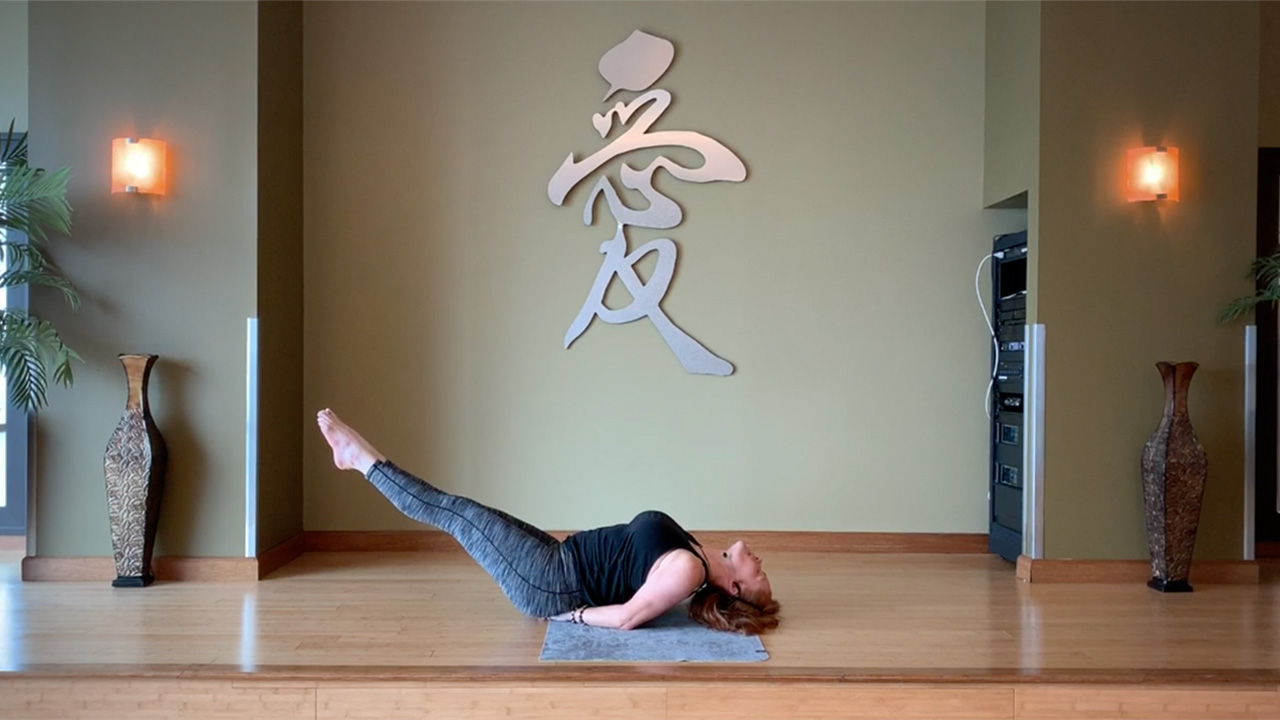
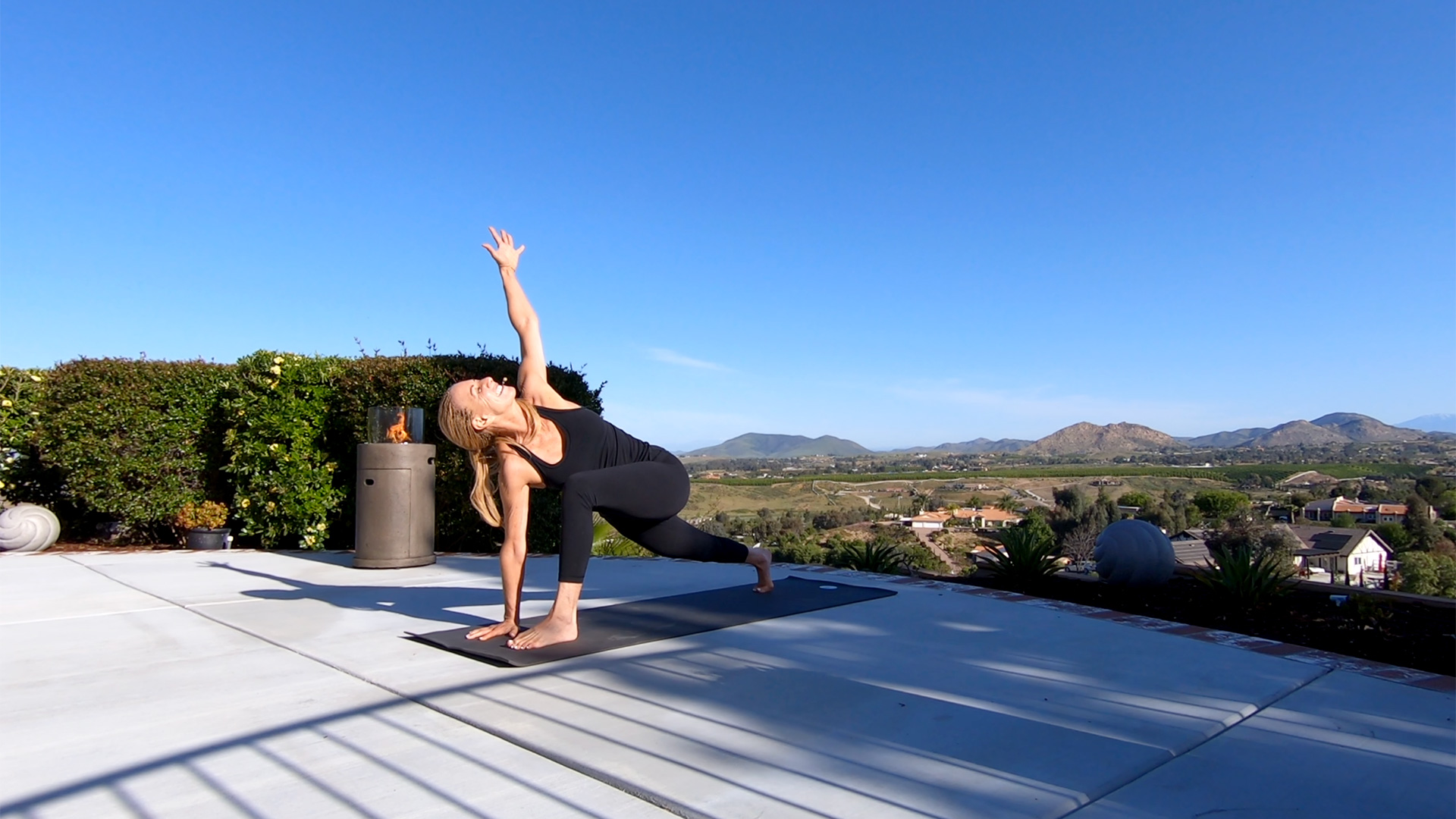
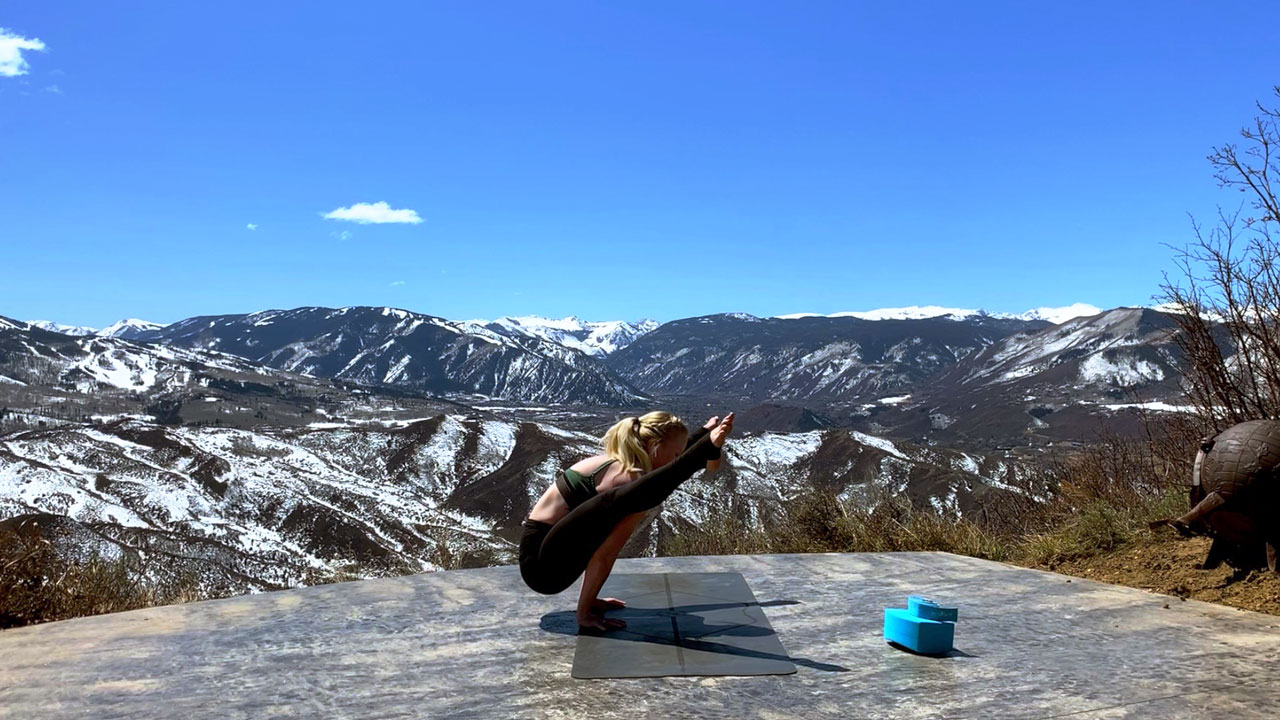
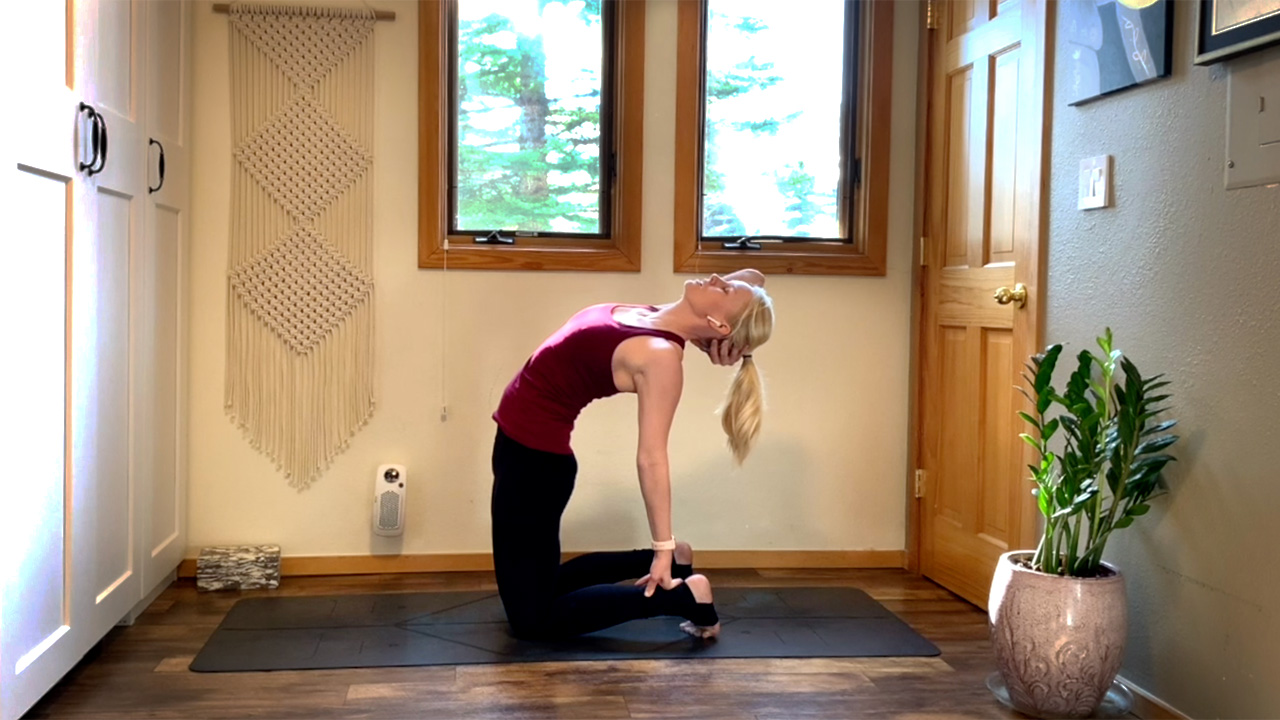
Another layer is embodied practice. You are not just reading about yoga. You are practicing it regularly in your own body through asana, breathwork, meditation, and self-inquiry. This matters because good teachers do not teach only from memory. They teach from lived experience.
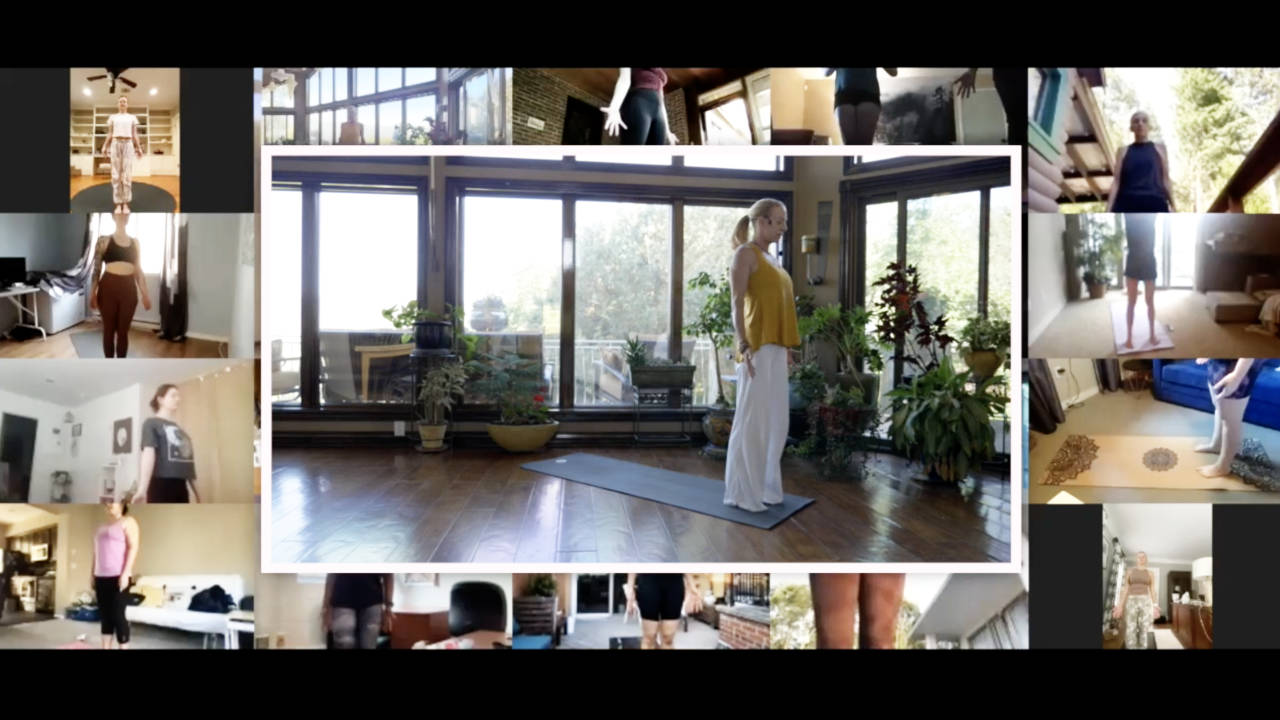
The final layer is integration. That includes teaching practice, journaling, discussion, homework, and feedback from faculty or peers. You may record yourself teaching, lead a class live on Zoom, submit sequencing assignments, or participate in partner work with classmates. This is often where confidence begins to take shape.
If the school is Yoga Alliance certified, the curriculum is also organized to meet recognized educational standards for that credential level. That gives your training a professional framework while still allowing space for personal transformation.
The balance between self-paced freedom and accountability
This is where online training can either support you beautifully or leave you drifting. Flexibility is one of the biggest reasons students choose digital certification, but freedom without support can become procrastination.
The best programs create a rhythm that keeps you moving. That may look like weekly milestones, scheduled live calls, faculty office hours, mentoring check-ins, or deadlines for assignments and practice teaching. Even in a self-paced format, there should be a sense that someone is holding the container with you.
It also helps to be honest about how you learn. If you thrive with independence, on-demand modules may feel spacious and empowering. If you need face-to-face energy to stay committed, look for a training that includes live components and meaningful interaction. Neither learning style is better. It simply depends on what helps you stay engaged and absorbed.
Can you really learn to teach yoga online?
Yes, but not every program teaches this well.
A thoughtful online training does more than give you information. It helps you develop presence, language, timing, observation, and confidence. Those skills come from practice and feedback. You need chances to teach, make mistakes, adjust, and teach again.
That means the strongest online trainings include real-time or recorded practicum work. You may teach classmates in breakout rooms, submit class videos for review, or receive notes from lead trainers on your cues, pacing, and sequencing. Some programs also encourage you to practice with friends, family, or local students so you can learn how different bodies respond.
There is a trade-off here. In-person training can make spontaneous hands-on feedback feel more immediate. Online training, on the other hand, often sharpens your verbal cues and observation because you cannot rely on physically adjusting someone. That can make you a clearer, more intentional teacher.
What certification looks like from home
Certification does not happen because you watched enough videos. You earn it by completing the required curriculum and demonstrating competency.
Depending on the school, that may include attendance in live sessions, completion of modules, written exams or reflections, a final practicum, class sequencing projects, and documented practice hours. Once you fulfill the program requirements, the school issues your certificate. If the school is registered with Yoga Alliance and your program meets those standards, you can then use that certificate to register at the appropriate level.
For example, a 200-hour training prepares you for foundational teaching. A 300-hour training deepens your education if you already hold a 200-hour credential. Together, they can build toward a 500-hour pathway. Online delivery changes the format, not the seriousness of the work.
What makes an online training feel transformational instead of transactional
This is the part many people do not ask about directly, but they feel it right away.
Some online trainings are technically complete and emotionally flat. They check the boxes but leave little room for voice, devotion, or inner change. Others create a living experience where the teachings move through your practice, your nervous system, your creativity, and your relationships.
That often comes down to the energy of the school. Are the teachers present and invested? Is there space for reflection and personal process? Does the curriculum honor yoga as more than exercise? Is community part of the experience, or are you moving through it alone?
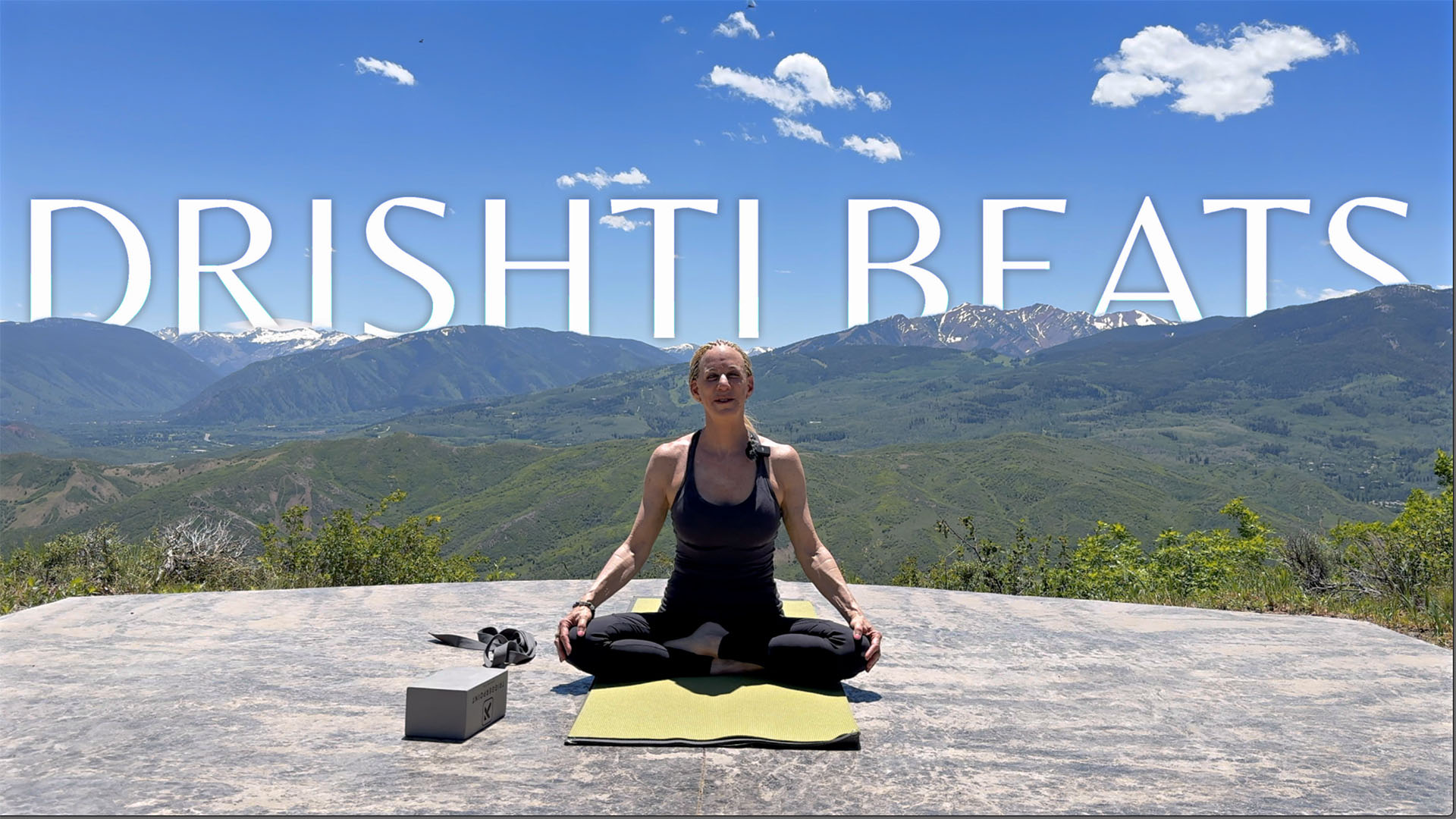
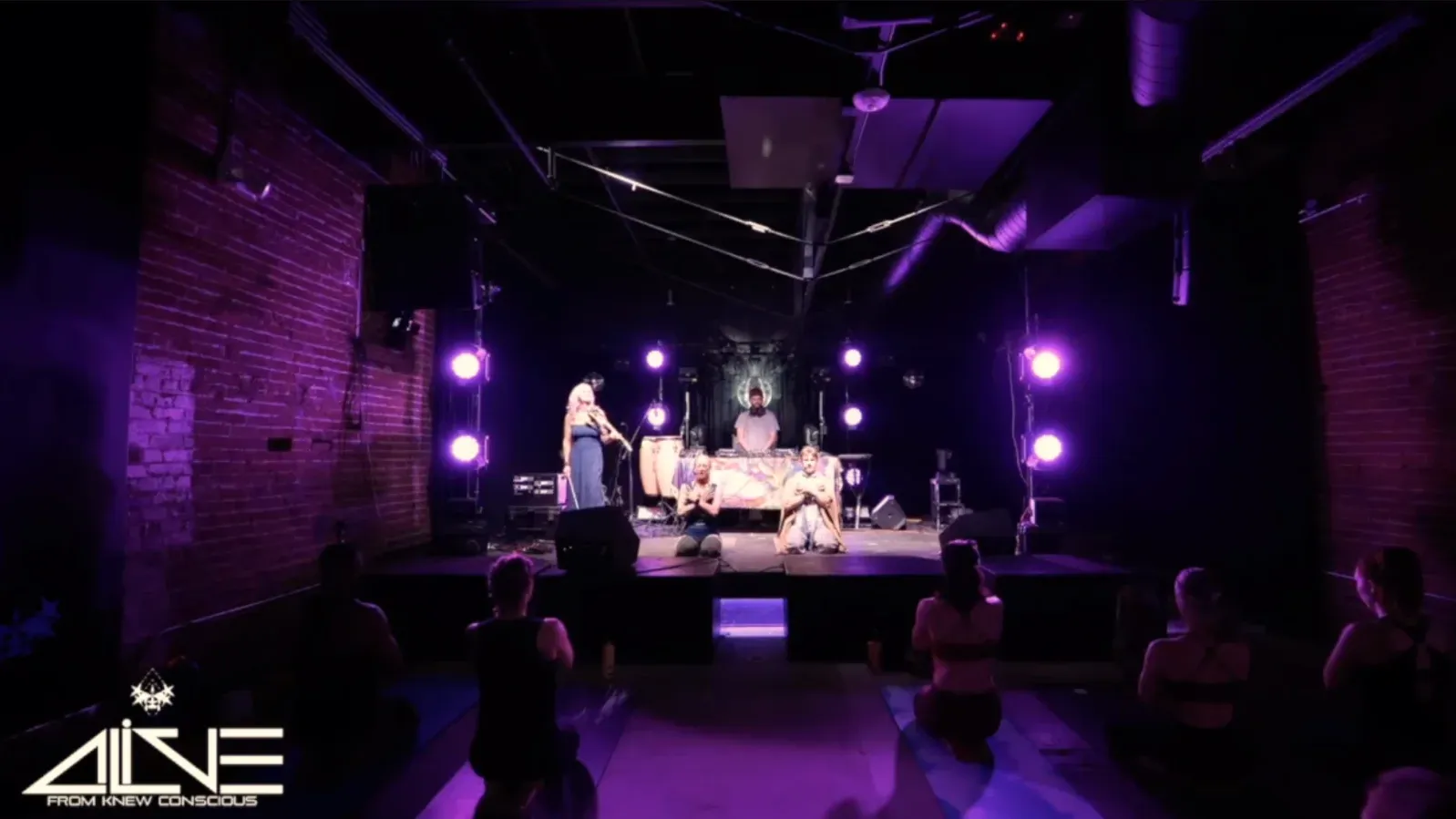
For many students, this is why a music-centered and spiritually grounded approach feels so powerful. Rhythm helps learning land in the body. Community softens isolation. Ritual and reflection help the training become part of your life rather than a certification you rush to finish. Drishti Beats, for example, speaks to students who want recognized credentials but also want the soul of the practice to stay intact.
Who online training is best for
Online yoga teacher training can be an excellent fit if you are disciplined enough to manage your time, open to learning through digital connection, and eager to integrate study into daily life. It is especially supportive for people who want to revisit lessons, move at a steady pace, or study from anywhere.
It may be less ideal if you know you need a highly structured classroom environment or if you are hoping the experience will feel like a wellness retreat every single day. Online learning asks for maturity and self-responsibility. The reward is that your training happens inside your real life, which can make the transformation more sustainable.
How to choose the right program
If you are comparing options, look beyond marketing language. Ask how teaching practice is handled, how feedback is given, whether there is live faculty interaction, and what kind of community support exists. Pay attention to the depth of the curriculum and whether the school honors yoga’s roots with care and integrity.
You should also consider the emotional tone of the training. Some students want a straightforward, anatomy-heavy path. Others want philosophy, spiritual practice, creativity, and a stronger sense of belonging. Your certification should match not only your schedule, but also the kind of teacher and human being you are becoming.
A good online training will give you skills. A great one will also help you hear your own voice more clearly.
If you feel called to teach, do not dismiss the online path as second best. In the right container, it can be spacious, rigorous, and deeply personal all at once. The screen may be where the lessons arrive, but the real training happens in your body, your breath, your practice, and the way you begin to show up for others with more steadiness, clarity, and heart.