The first surprise for many students is that there is no single answer to how much is online yoga teacher training. You might see one program for a few hundred dollars and another for several thousand, and both may promise the same credential on paper. The real difference usually lives in the depth of the curriculum, the level of support, the learning experience, and how well the training prepares you to teach with confidence, integrity, and heart.
If you are comparing programs, the better question is not only what you will pay. It is what kind of transformation, mentorship, and professional readiness you will receive in return.
How much is online yoga teacher training on average?
For a 200-hour online yoga teacher training, most programs fall somewhere between $300 and $3,500. That is a wide range, but it reflects a real difference in quality and structure.
At the lower end, you will often find self-paced trainings with pre-recorded modules, limited teacher interaction, and very little personalized feedback. These can work well for students who are highly independent and mainly want an affordable entry point. Still, lower cost does not always mean lower value, and higher cost does not automatically guarantee a richer experience. The details matter.
In the middle range, roughly $1,000 to $2,500, you are more likely to find programs that blend flexibility with stronger educational support. This might include live calls, mentorship, practice teaching, community spaces, and more thoughtful curriculum design.
At the premium end, programs often include a more immersive learning environment, closer faculty guidance, specialized teaching methodology, spiritual philosophy, and a deeper sense of connection. Some schools are not simply selling course hours. They are offering a container for personal evolution, teaching voice development, and community.
For 300-hour online training, prices typically start around $1,500 and can rise to $5,000 or more. A full 500-hour pathway, whether bundled or completed in stages, can cost anywhere from about $2,500 to well over $7,000.
Why online yoga teacher training prices vary so much
The biggest reason prices differ is that online training is not one thing. Some programs are built like digital libraries. Others are designed like living classrooms.
A lower-priced training may give you access to videos, a manual, and quizzes. That can be enough for certain learners, especially if they already have a strong personal practice and learn well on their own. But if you want feedback on your sequencing, alignment language, cueing, presence, and teaching style, that kind of support usually comes at a higher price.
Faculty experience also affects cost. Schools led by deeply trained teachers, guest experts, or lineage-informed educators often charge more because the instruction carries greater depth and care. If anatomy is taught thoughtfully, philosophy is more than a surface overview, and teaching practice is actually observed, you are paying for educational substance rather than a fast certificate.
There is also the question of community. Some students want maximum independence. Others want to feel held in the process. Programs with live sessions, peer connection, mentorship circles, and meaningful interaction usually require more staff time and more infrastructure, so they cost more.
What is usually included in the price?
When asking how much is online yoga teacher training, it helps to look beyond the number on the checkout page. One program might seem less expensive until you realize the manual, final exam, mentoring sessions, or Yoga Alliance processing guidance are extra.
Many online trainings include recorded lectures, downloadable materials, and a certificate upon completion. Some also include live classes, one-on-one support, private feedback, discussion groups, and access to a student community. Others may offer payment plans, extended access, or bonus workshops in meditation, pranayama, or business skills.
This is where value becomes clearer. A $600 training that leaves you feeling underprepared can be more expensive in the long run than a $1,800 training that helps you teach confidently, attract students, and grow with a strong foundation.
The hidden costs students often miss
The tuition is not always the full investment. Even online, there can be additional expenses.
You may need books, anatomy resources, yoga props, or a better setup for practicing and recording yourself. If the training includes live calls, you will want reliable internet and enough schedule space to participate fully. If you plan to register with Yoga Alliance after graduation, there are membership fees to consider as well.
There is also an emotional and energetic cost that rarely gets named. A training that is too rushed, unsupported, or disconnected from your values can leave you feeling depleted. A program that honors your pace, invites reflection, and supports your growth can feel nourishing in a very different way.
Is cheaper online yoga teacher training worth it?
Sometimes yes, sometimes no.
If your main goal is personal study, a budget-friendly training can be a meaningful place to begin. It may help you learn foundational philosophy, postures, anatomy, and class structure without a heavy financial burden. For students exploring whether teaching is truly their path, that can be a practical choice.
But if you know you want to teach, lead safely, and develop an authentic voice, the least expensive option may not serve you best. Teaching yoga is relational. It asks for presence, sensitivity, communication skills, and embodied understanding. Those qualities are difficult to cultivate through passive content alone.
The right question is whether the program supports the kind of teacher you want to become. Price matters, but readiness matters more.
What makes a higher-priced training worth it?
A more expensive training tends to feel worth it when the program offers depth, mentorship, and a clear path from student to teacher. That may include observed practice teaching, feedback from experienced faculty, cultural and philosophical context, trauma-aware education, and enough time to integrate what you are learning.
It also matters whether the program speaks to the whole person. Many students are not just looking for a certificate. They are seeking reconnection – with purpose, with practice, with voice, with community. A truly well-crafted training can support that inner shift while still preparing you for professional teaching.
This is part of what students are often investing in with a more immersive school. Not just education, but transformation with structure.
How to compare programs wisely
Before choosing based on price alone, read the curriculum closely. Look at how the hours are taught, who teaches them, and what kind of support you will receive. If the website focuses only on speed, discounting, or lifetime access without saying much about faculty interaction or teaching practice, pay attention.
It is also helpful to ask what happens after enrollment. Will you have access to mentors? Will someone watch you teach? Will you graduate with practical skills, not just information? And just as important, does the school’s energy feel aligned with your values?
A training can be technically affordable and still feel misaligned. Another can stretch your budget but offer so much clarity, confidence, and belonging that it becomes one of the most valuable investments you make.
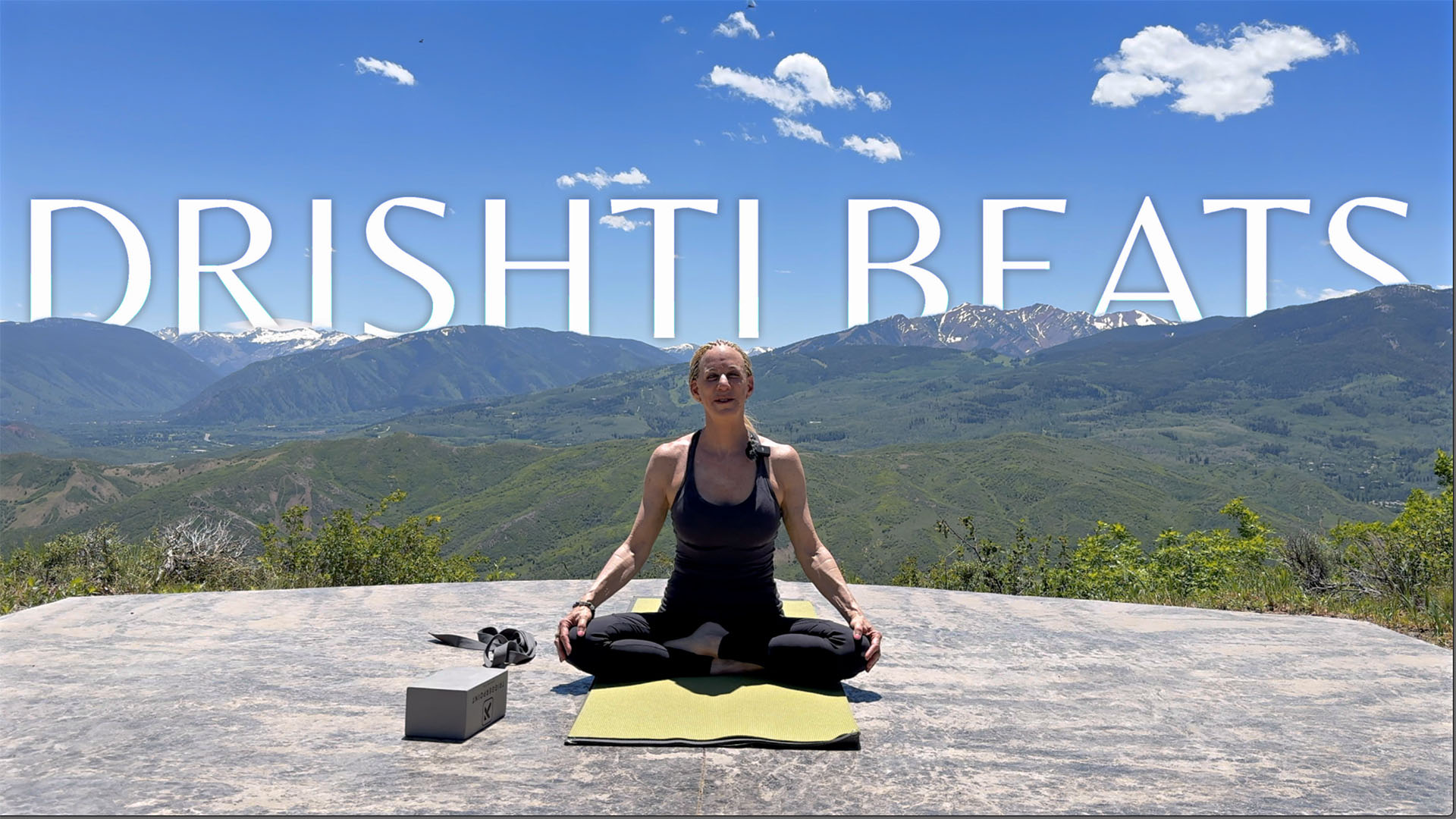
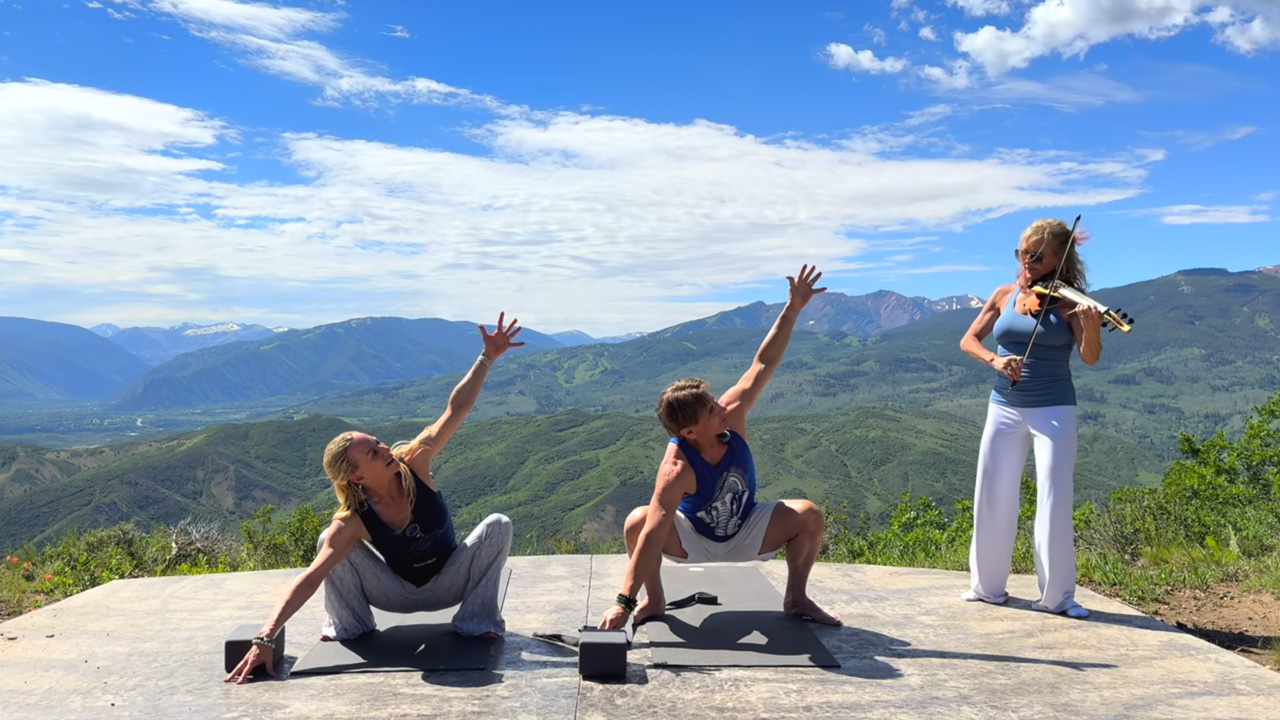
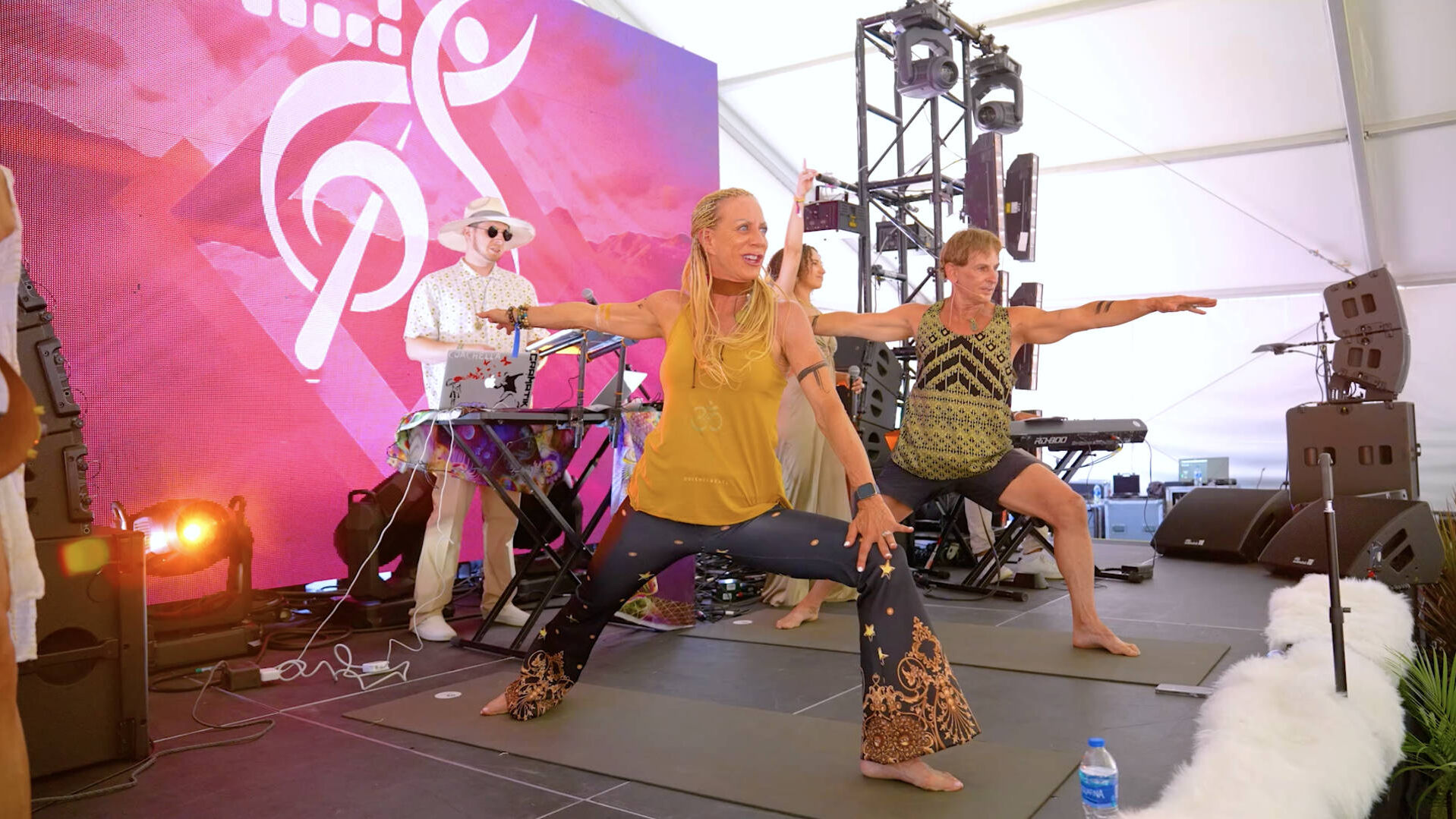
For students who want flexibility without losing depth, schools such as Drishti Beats speak to a different kind of value – one rooted in soulful education, spiritual resonance, and a rhythm of learning that supports real embodiment rather than quick completion.
Should you use a payment plan?
For many students, payment plans make online training far more accessible. If the monthly amount allows you to enroll without creating financial stress, that can be a wise choice. The goal is not to force your growth through pressure. It is to support your path in a way that feels sustainable.
That said, always read the full terms. Some plans increase the total cost, while others are simply a way to spread tuition out over time. Neither is inherently bad, but clarity matters.
If you are torn between a cheaper program you can pay in full and a stronger program with a payment plan, think beyond the immediate moment. Ask yourself which experience is more likely to nourish your practice, strengthen your teaching, and stay with you long after graduation.
So, how much should you expect to pay?
A realistic expectation for a solid online 200-hour yoga teacher training is often around $1,000 to $2,500, with lower and higher options depending on the level of support and immersion. For advanced training, expect a higher range because the education is usually more specialized and mentorship-driven.
The best investment is rarely the lowest number. It is the program that meets you where you are, honors what yoga means to you, and gives you the tools to teach from a place that feels grounded, skillful, and true.
If you are standing at the edge of this decision, let cost be part of the conversation, not the whole conversation. The right training should support both your budget and your becoming.