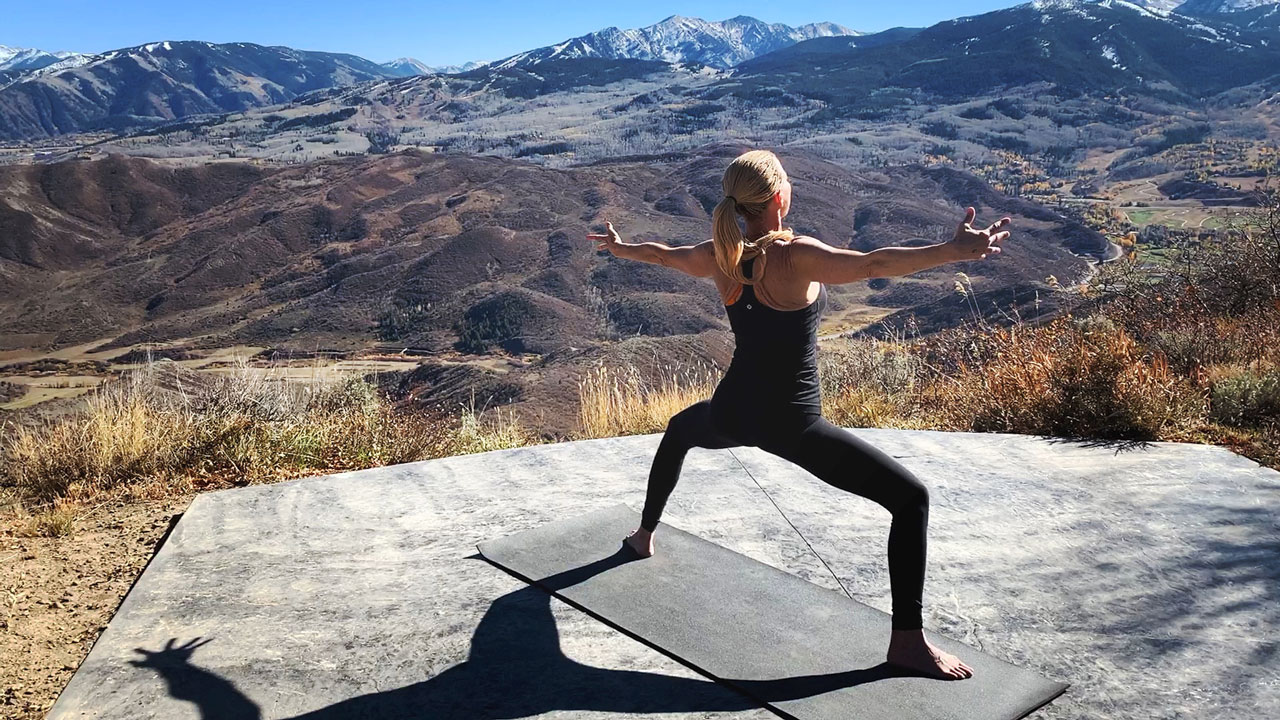
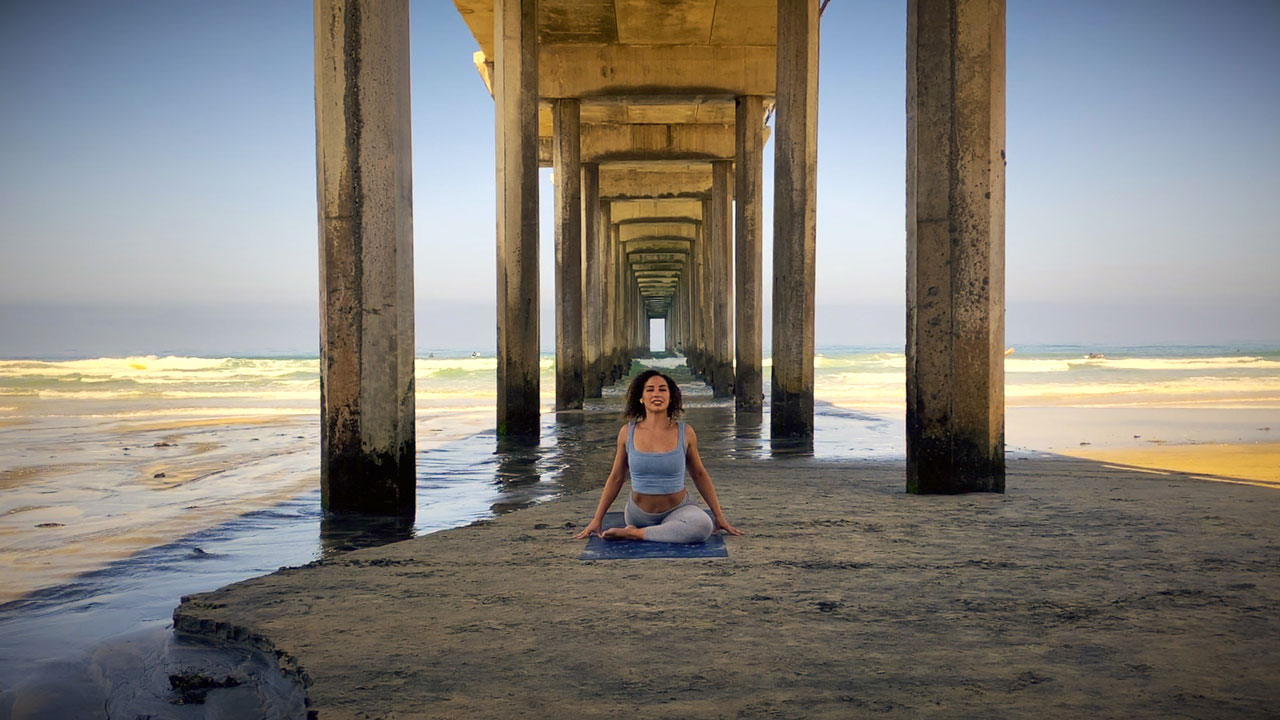
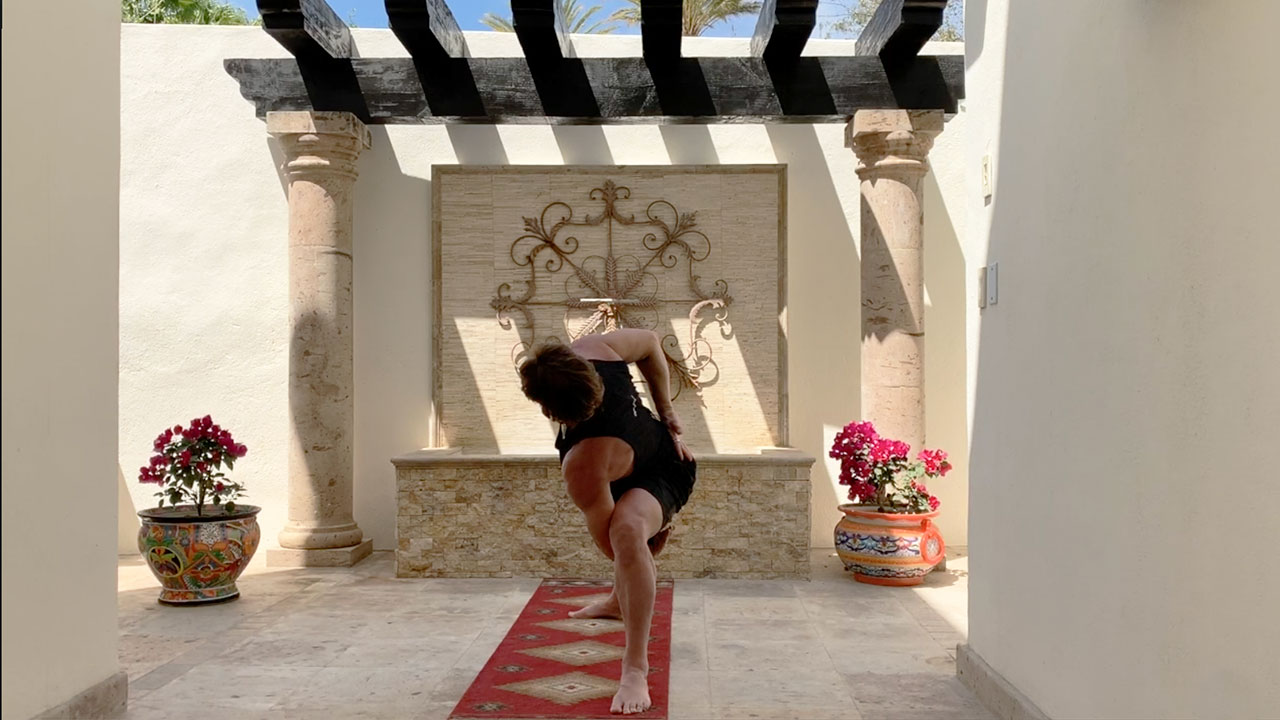
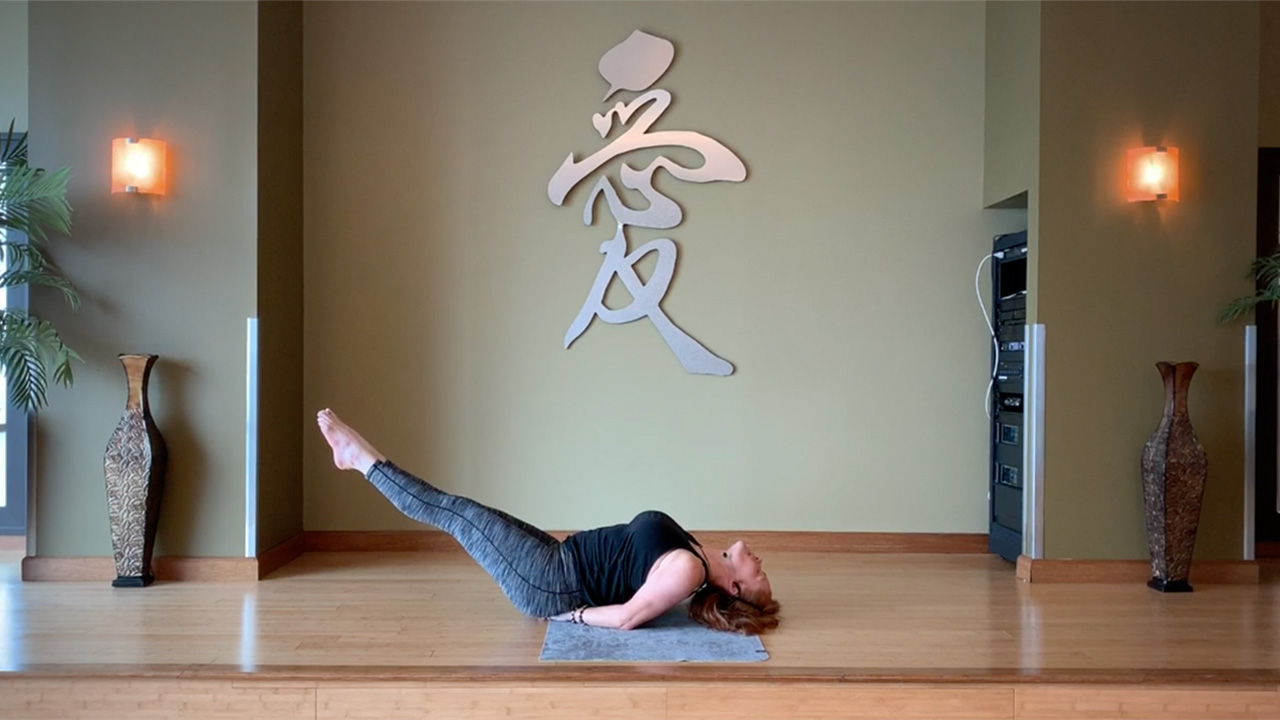
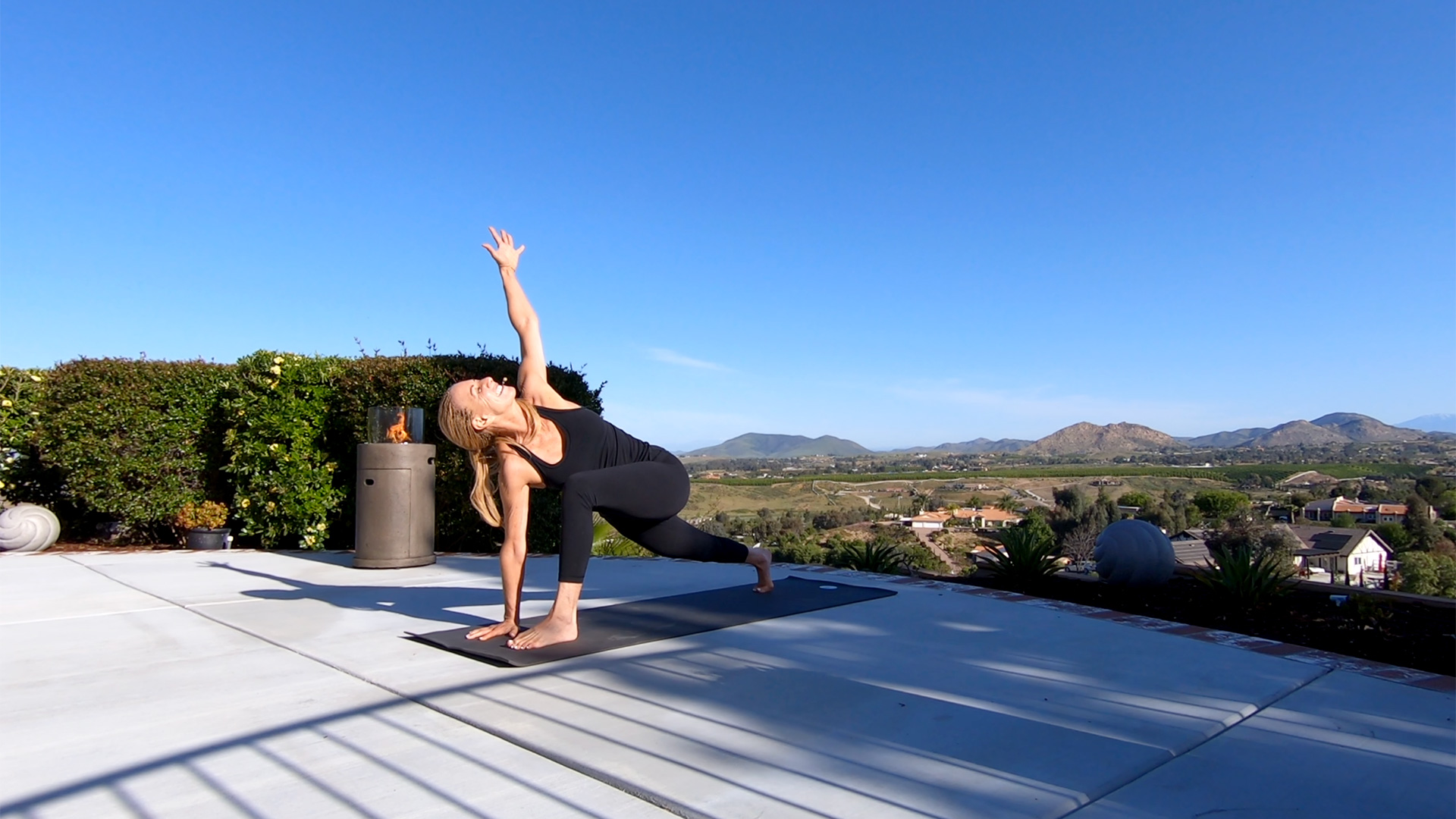
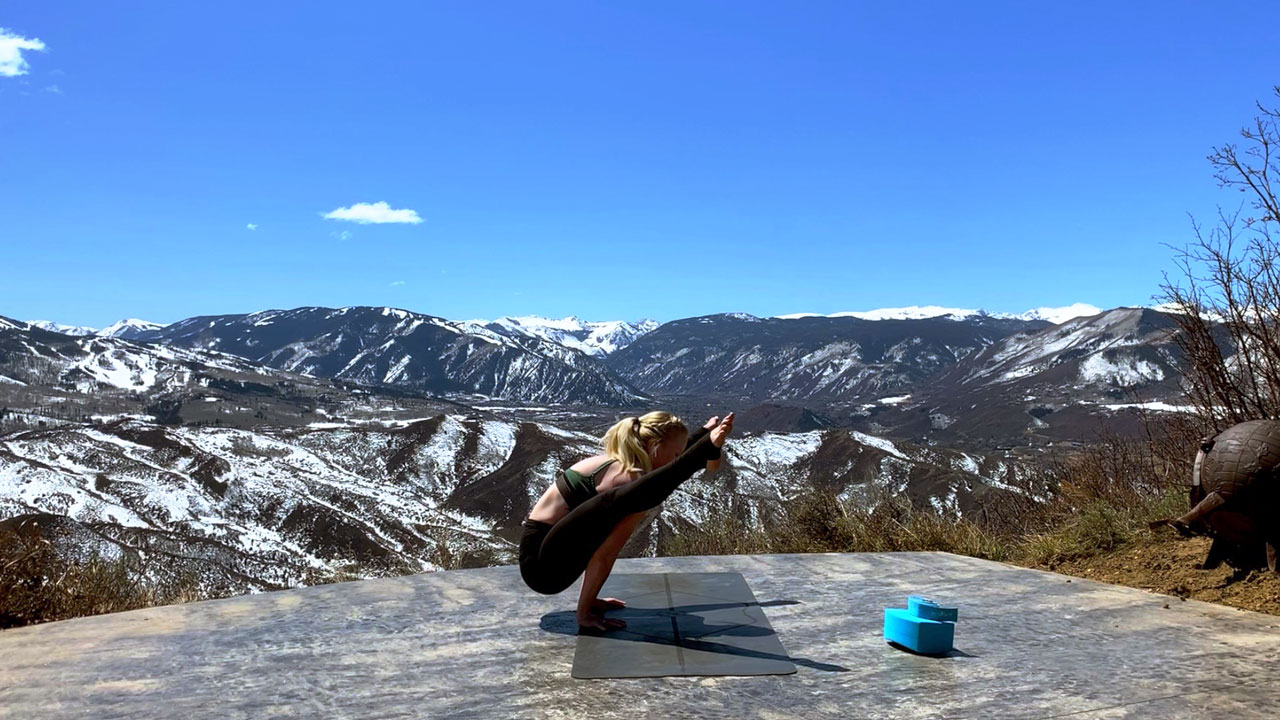
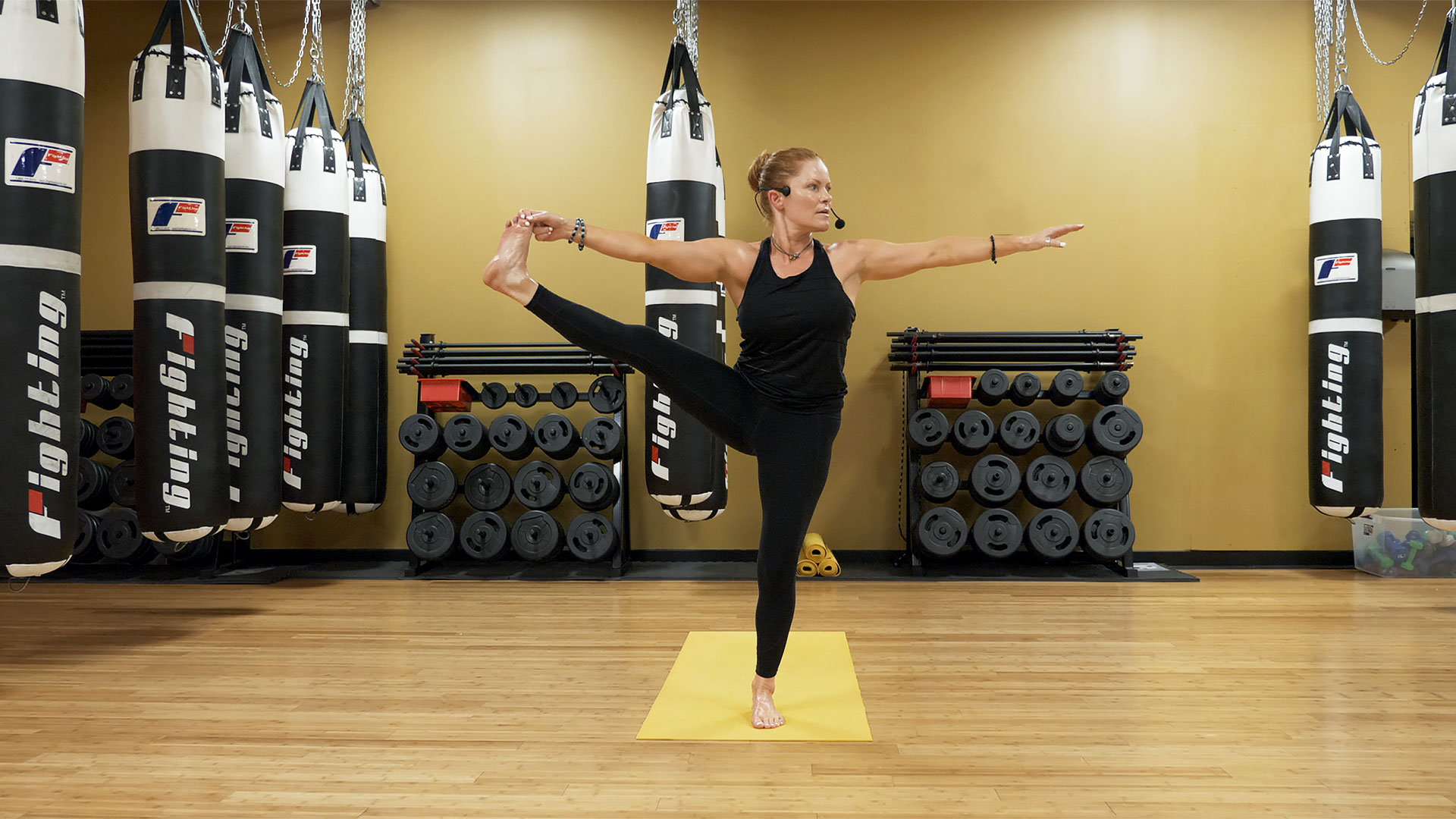
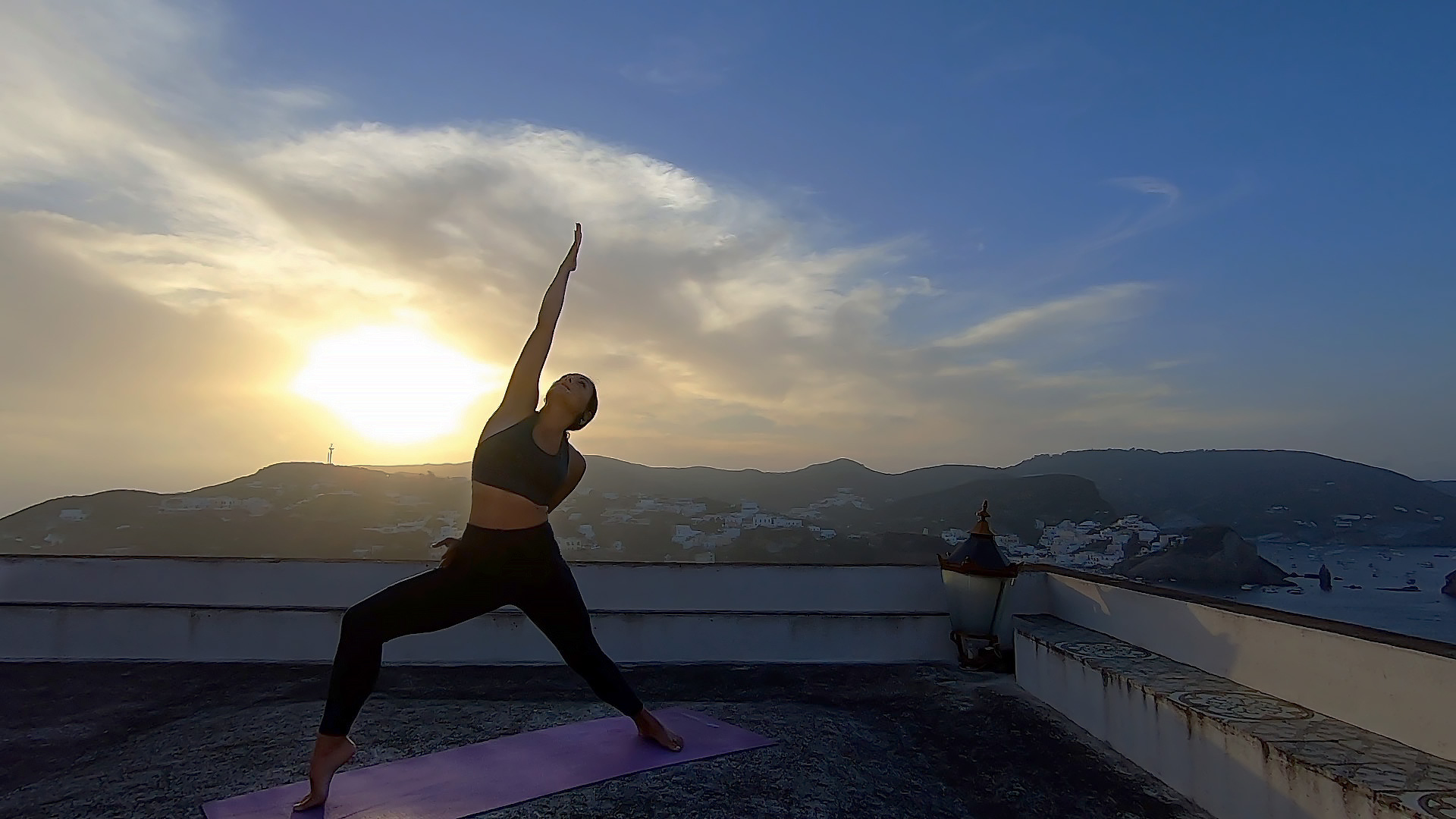
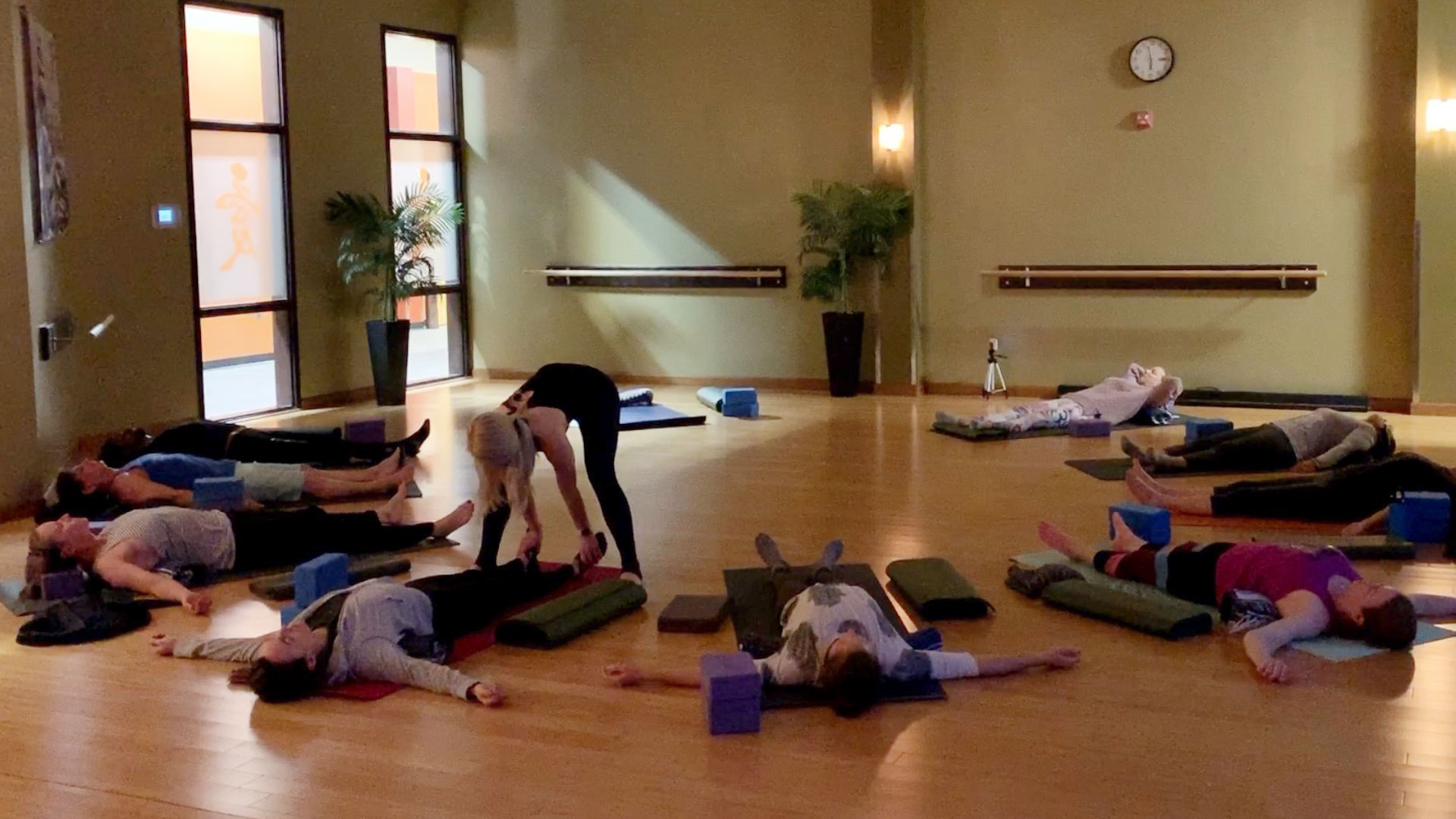
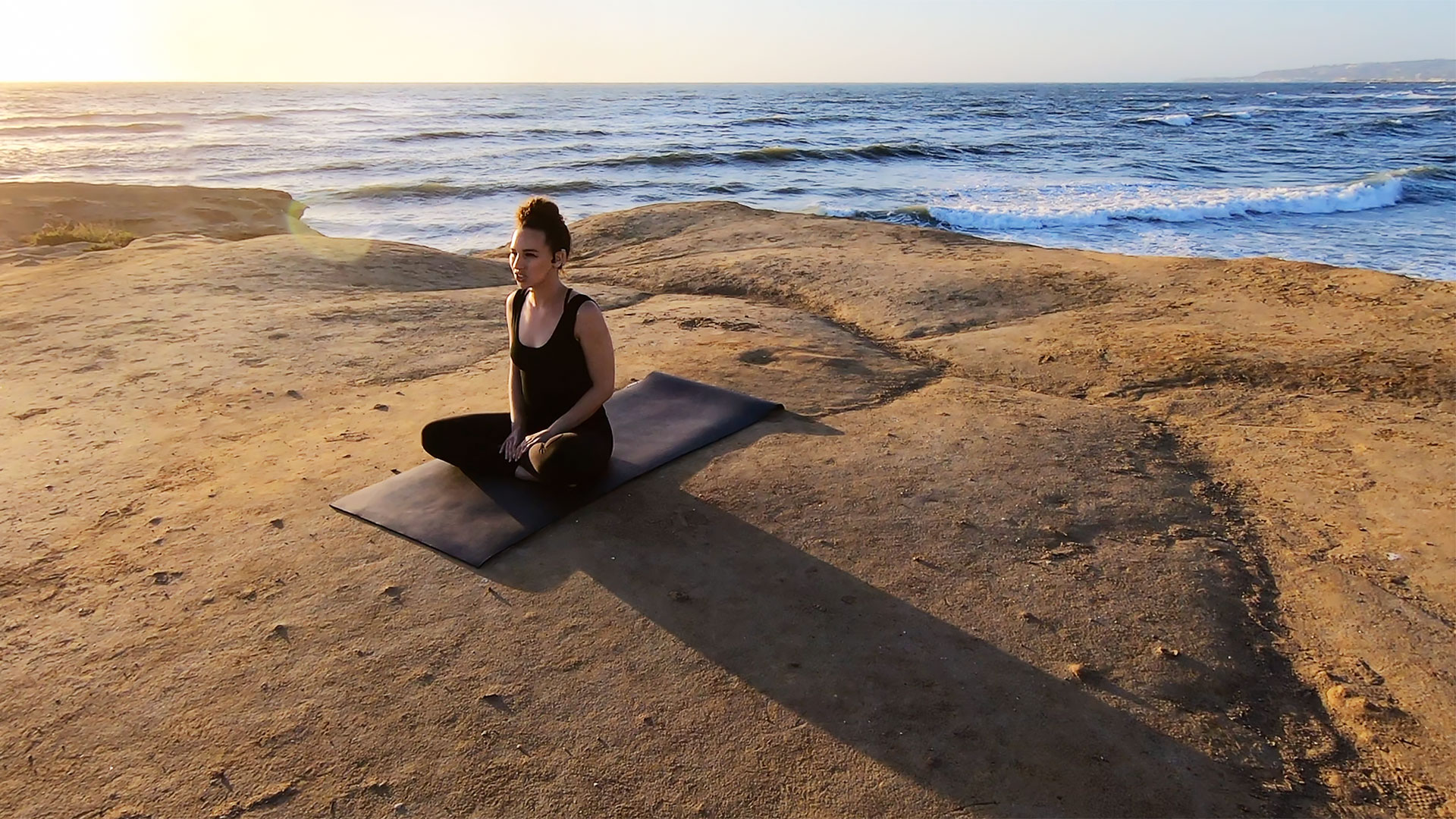
Some people start searching for an online yoga teacher training 200 hours because they want to teach. Others start because something in their practice has shifted, and a weekly class no longer feels like enough. They want language for what they are experiencing, structure for what they are learning, and a deeper relationship with yoga that can live off the mat as much as on it.
That difference matters. A 200-hour training is not only a professional credential. At its best, it is a threshold. It can shape the way you move, listen, study, serve, and lead. When the program is online, the question is not whether it can be meaningful. The real question is whether it has been designed to hold both flexibility and depth at the same time.
What a 200-hour online yoga teacher training should actually offer
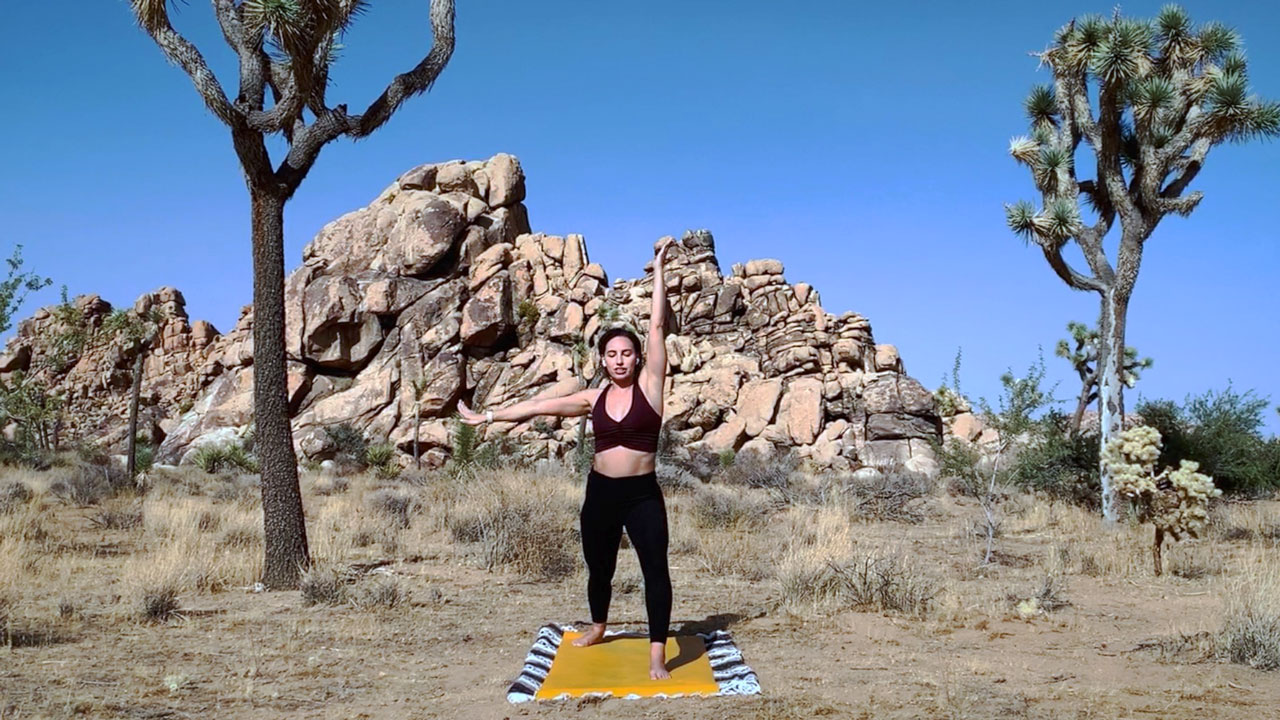
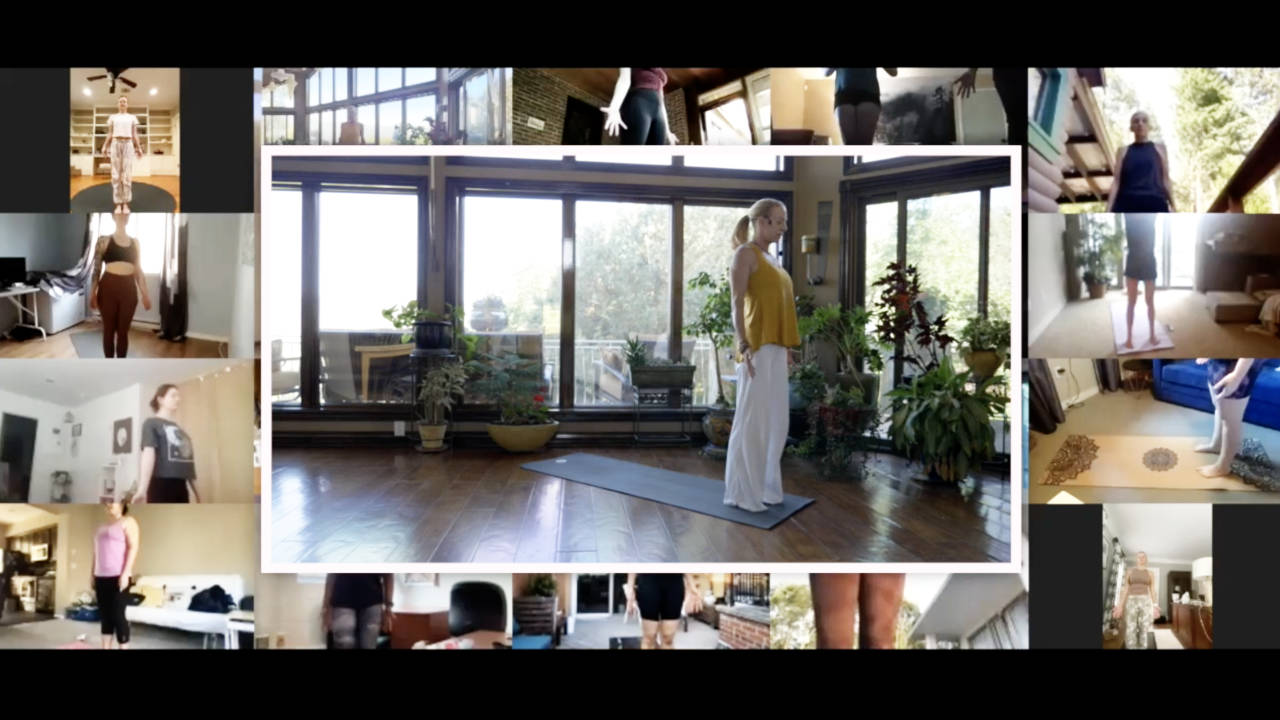
There is still a quiet misconception that online learning is somehow lighter, easier, or less embodied than in-person study. Sometimes that is true. Some programs are little more than a stack of recorded lectures and a certificate at the end. But a thoughtful online training can be incredibly intimate. In some ways, it asks for even more honesty because your practice is happening in your real life, in your real home, with all the rhythms and distractions that come with it.
A strong 200-hour training should give you more than pose cues. It should ground you in yoga philosophy, ethics, anatomy, sequencing, teaching methodology, breathwork, meditation, and the art of holding space. It should help you understand not only what to teach, but why. It should also leave room for your own voice to emerge instead of producing teachers who all sound the same.
This is where quality matters. The best programs balance lineage and accessibility. They honor the roots of yoga while helping modern students integrate the teachings in a way that feels lived, not memorized.
Why online yoga teacher training 200 hours appeals to modern students
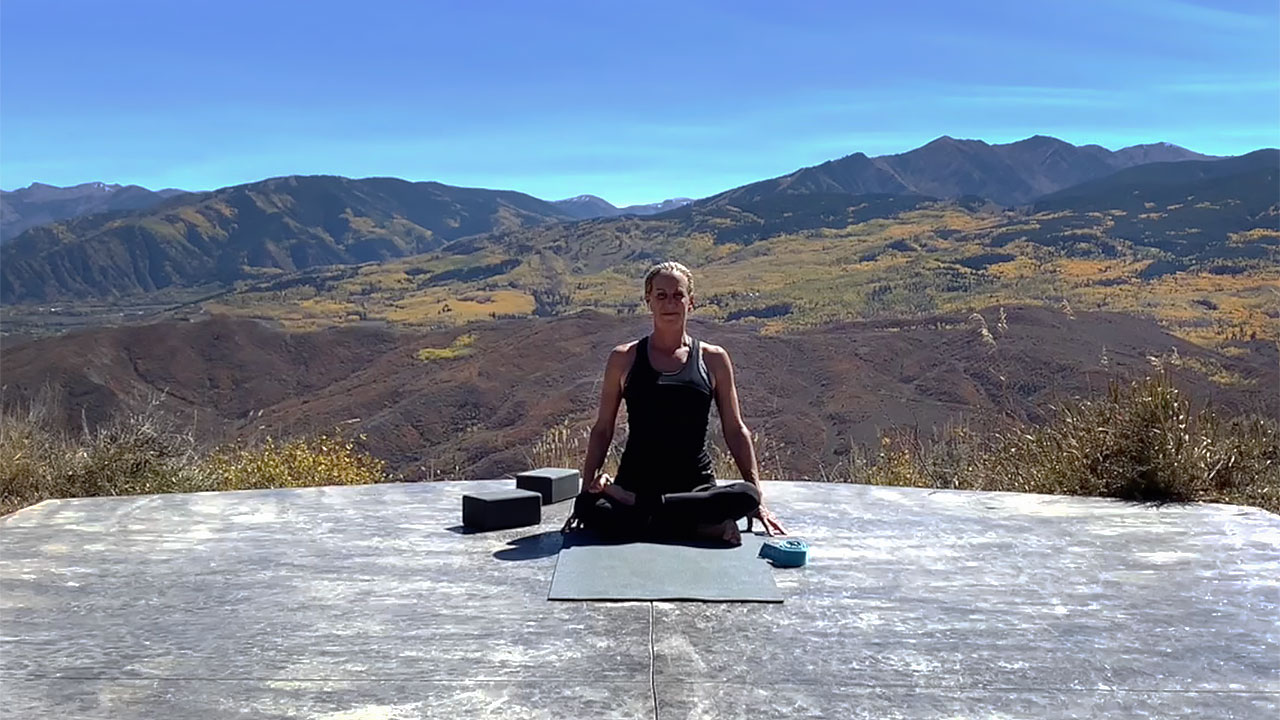
Flexibility is the obvious reason, but it is not the only one. Many students are balancing work, family, caregiving, travel, or healing. A self-paced or partially self-paced format allows yoga study to become part of daily life rather than a separate world you have to step into for a month and then leave behind.
That integration can be powerful. Instead of having one transformative weekend and then trying to hold onto the feeling, you study over time. You practice, reflect, return to the material, and notice how the teachings meet you in different moods and seasons. Yoga becomes less performative and more personal.
Online learning also opens the door for students who may not feel at home in a local studio culture, or who are seeking a program with a more spiritual, inclusive, or creative approach. If you want a training that values devotion, rhythm, community, and authentic expression, online gives you more choices than geography alone ever could.
Still, flexibility has a shadow side. Without structure, some students drift. Without live touchpoints, others feel isolated. That does not mean online is the wrong choice. It means the right training should offer clear support, meaningful mentorship, and a sense that you are learning with people, not just beside content.
How to tell if a program is credible
The first checkpoint is straightforward. If your goal is to become a registered yoga teacher, you will likely want a Yoga Alliance-recognized 200-hour program. That does not automatically guarantee excellence, but it does give you a baseline for professional recognition.
From there, look beyond the badge. Read how the school speaks about yoga. Does the language feel grounded and respectful, or overly sales-driven? Notice whether the curriculum is clearly explained. A credible school should be able to tell you what you will study, how you will be assessed, how support works, and what kind of teaching practice is included.
Teacher quality matters just as much as curriculum. You want faculty who can transmit knowledge with clarity, humility, and presence. If the teaching team has depth but no warmth, the experience can feel rigid. If the tone is beautiful but the content lacks rigor, the training may leave you inspired yet underprepared. The strongest schools hold both.
A good sign is when a program supports personal transformation and practical teaching skill together. You should finish with deeper self-awareness, yes, but also with the ability to sequence a class, offer clear cues, understand basic anatomy, navigate common student needs, and teach from an ethical foundation.
What to look for in the learning experience
The format of the program matters more than many students realize. Some people thrive with fully self-paced study. Others need live calls, deadlines, and real-time feedback. Neither is better in the abstract. It depends on your season of life, your learning style, and how much accountability you need.
As you compare options, pay attention to whether the training includes live sessions, peer connection, practice teaching, and direct feedback. These pieces often make the difference between learning about teaching and actually becoming a teacher.
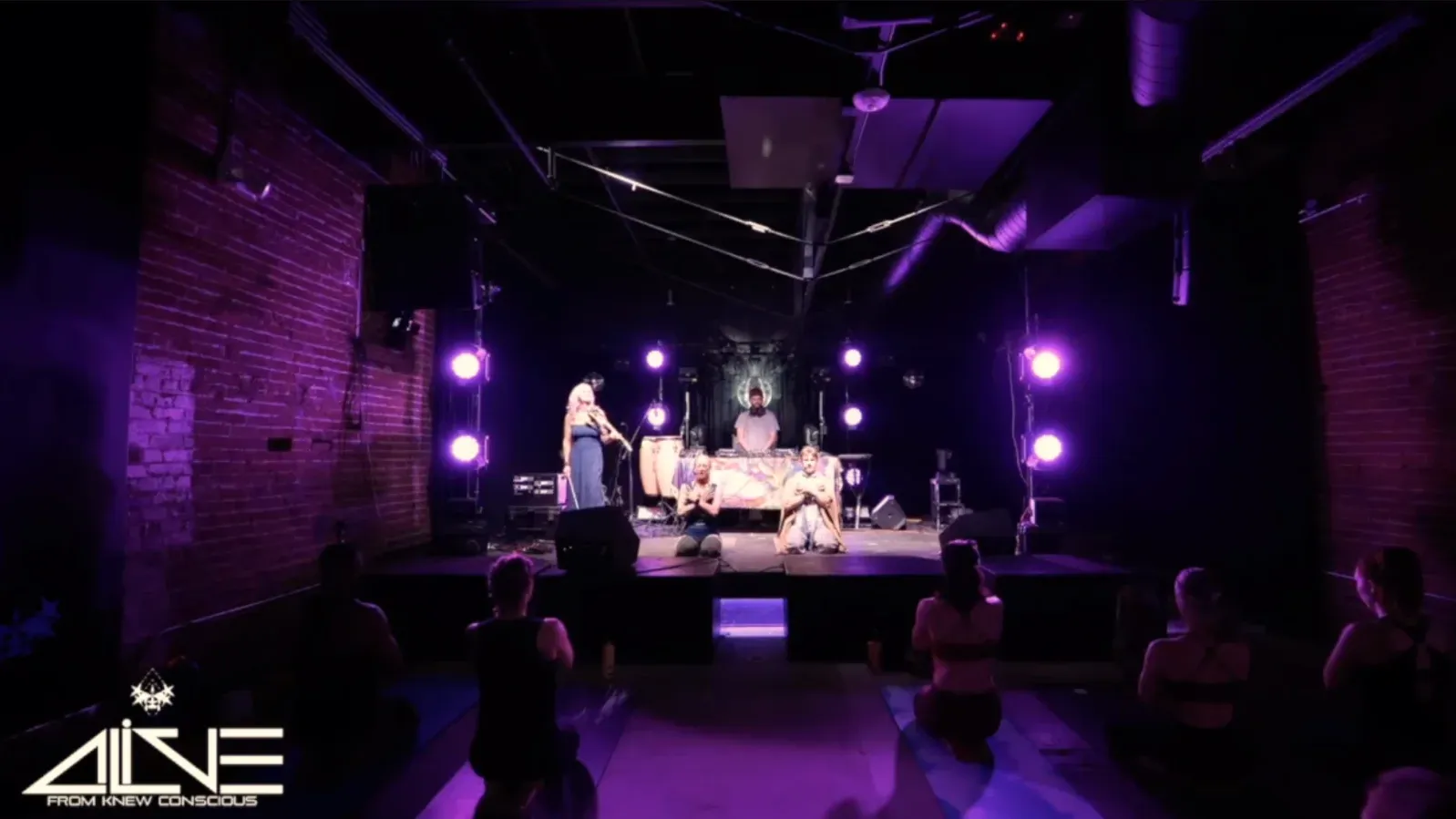
It is also worth noticing whether the school creates an atmosphere, not just a syllabus. Yoga is relational. The way a program feels matters. Some trainings are efficient but emotionally flat. Others create a sense of sacred rhythm through the way lessons are delivered, the way community is held, and the way students are invited into the material.
For many students, this is the missing piece. They do not want a fitness certification with a little philosophy added in. They want a training that honors yoga as a path of transformation. They want to be challenged, encouraged, and reminded that teaching begins with presence.
The trade-offs to be honest about
An online yoga teacher training 200 hours can be profound, but it is not identical to practicing in a room together every day. You may miss spontaneous hallway conversations, in-person assists, and the energetic intensity of a shared physical container. If that immersion is what you most crave, an online format may feel quieter.
At the same time, in-person intensives are not automatically deeper. They can be beautiful, but they can also move quickly. Some students leave inspired yet overwhelmed, with little time to integrate what they learned. Online training often gives more space for reflection, repetition, and embodiment over time.
There is also the question of motivation. If you know you tend to postpone self-paced programs, be honest about that. Choose a training with stronger accountability. If your schedule is genuinely unpredictable, a rigid format may create more stress than growth. The best choice is not the one that looks most impressive on paper. It is the one you can fully show up for.
Who this path is right for
A 200-hour online training is a good fit for the student who wants to deepen their practice with intention, not just collect information. It is for the aspiring teacher who wants a solid foundation and enough flexibility to keep living their life while they study. It is also for the long-time practitioner who may not be sure they ever want to teach publicly but feels called to understand yoga more deeply.
Many students begin with uncertainty. They wonder whether they are experienced enough, spiritual enough, flexible enough, or confident enough. Those fears are common, and they are rarely the real deciding factor. What matters more is willingness. Are you ready to listen closely, practice consistently, and let the teachings shape you?
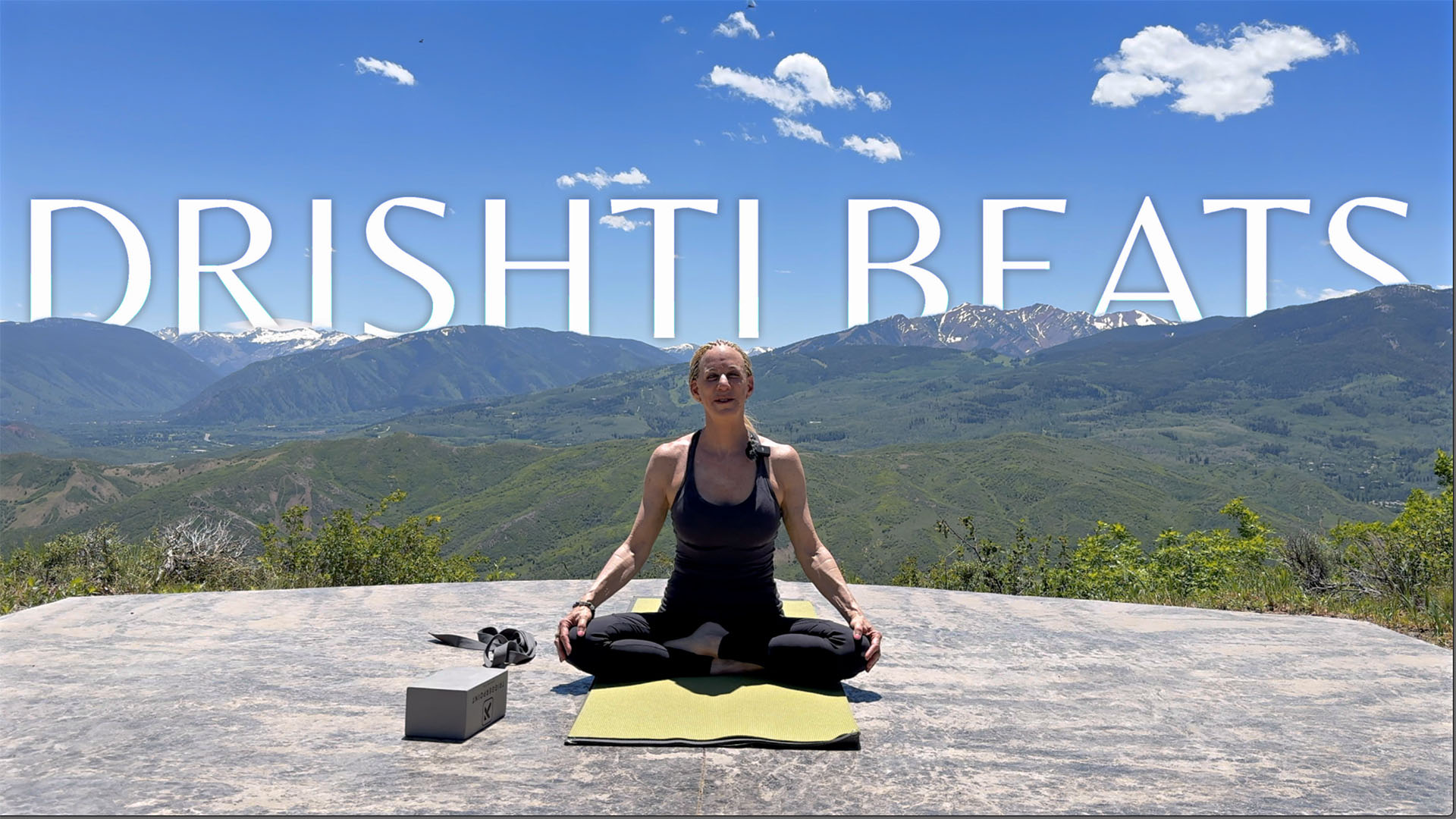
If the answer is yes, the right training can meet you there. It can help you refine your voice, expand your understanding, and connect your practice to purpose. For students seeking a path that blends recognized certification with spiritual depth, music, and genuine community, Drishti Beats reflects how online learning can feel both modern and deeply rooted.
Choosing with your whole self
When you are comparing programs, do not only ask, What will I get? Ask, Who will I become inside this training? The answer lives in the curriculum, but also in the energy of the school, the intention of the teachers, and the care woven through the experience.
A meaningful online training should leave you more grounded in your body, clearer in your voice, and more connected to the heart of the practice. It should challenge you to study with discipline while making space for grace. And it should remind you that yoga is not something you perform well enough to deserve. It is something you return to, breath by breath, until it begins to change the way you live.
If you are feeling the call toward a 200-hour training, trust that instinct. The right program will not just teach you how to lead a class. It will help you hear your own inner teacher a little more clearly.