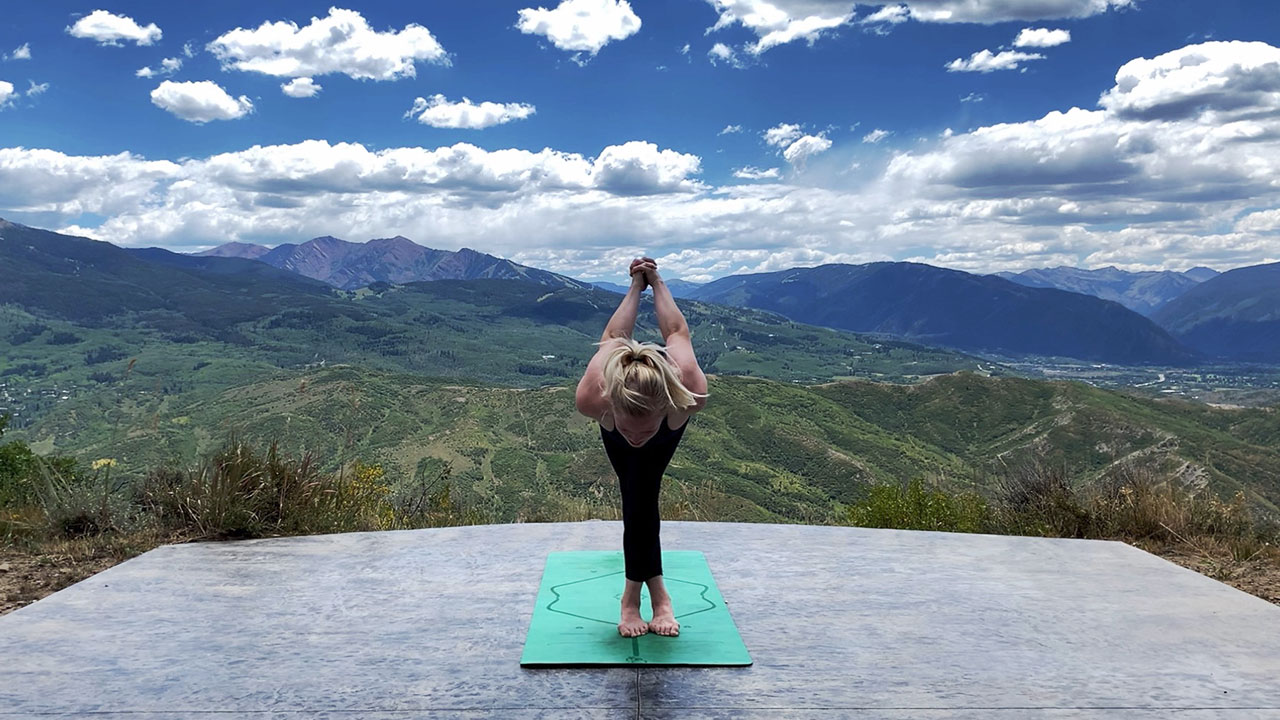
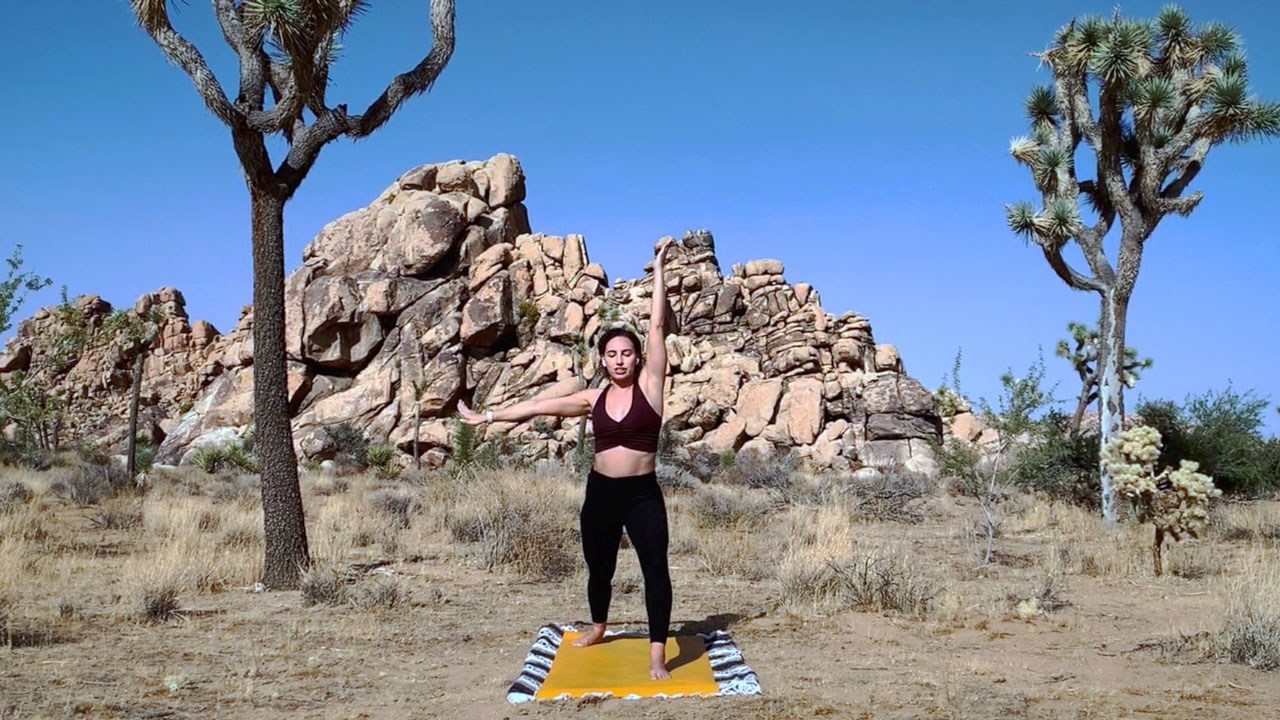
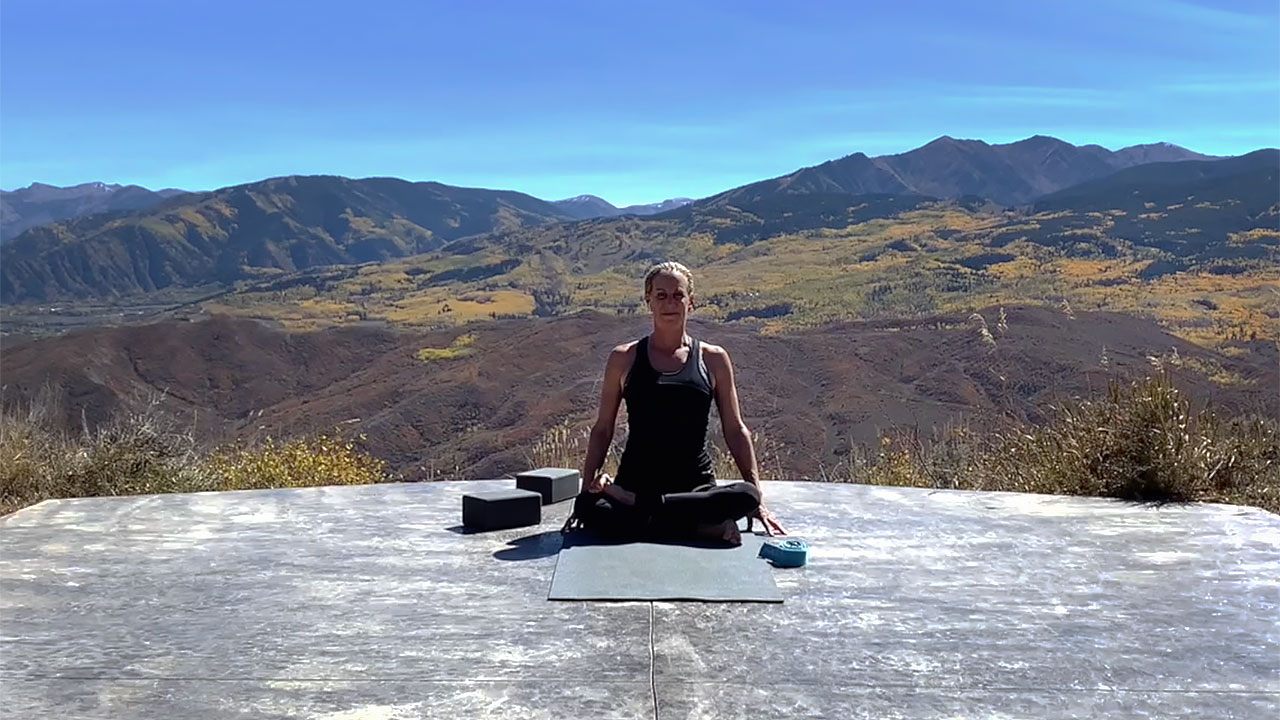
You can feel the difference between a training that simply checks a box and one that changes the way you move through your life. That is the real question behind online yoga teacher training Yoga Alliance recognition. Most students are not only asking whether a program is legitimate. They are asking whether it will help them grow, teach with confidence, and stay connected to the heart of yoga while learning from home.
For many practitioners, online training opens a doorway that once felt closed. Work schedules, parenting, finances, geography, or health needs can make in-person study hard to sustain. A well-designed online program offers flexibility, yes, but flexibility alone is not enough. If you are investing in your voice as a teacher, your training should also offer depth, mentorship, clear structure, and a learning experience that feels alive.
What online yoga teacher training Yoga Alliance means
When people search for online yoga teacher training Yoga Alliance approved options, they are usually looking for two things at once. They want the freedom of digital learning and the credibility that comes with a recognized standard.
Yoga Alliance is a widely known registry in the yoga world. A school that is recognized through Yoga Alliance meets established educational requirements for teacher training. For students, that can matter because many studios, employers, and future training pathways are familiar with those standards. It can also offer peace of mind when you are comparing programs online and trying to understand which ones are professionally respected.
That said, registration is not the same as quality. A Yoga Alliance-approved program can meet the hours requirement and still feel flat, rushed, or impersonal. Another program may exceed expectations by offering rich philosophy, embodied practice, skilled teachers, and a true sense of sangha. The credential matters, but the experience inside the credential matters just as much.
Why students choose online training now
Online learning has matured. It is no longer seen only as a backup option. For many aspiring teachers, it is the most realistic and supportive path.
The biggest benefit is rhythm. You can study around your actual life rather than trying to fit your life around a rigid training calendar. This matters more than people admit. When your nervous system is not constantly in overdrive from commuting, rearranging work, or sacrificing rest, you often absorb the material more deeply.
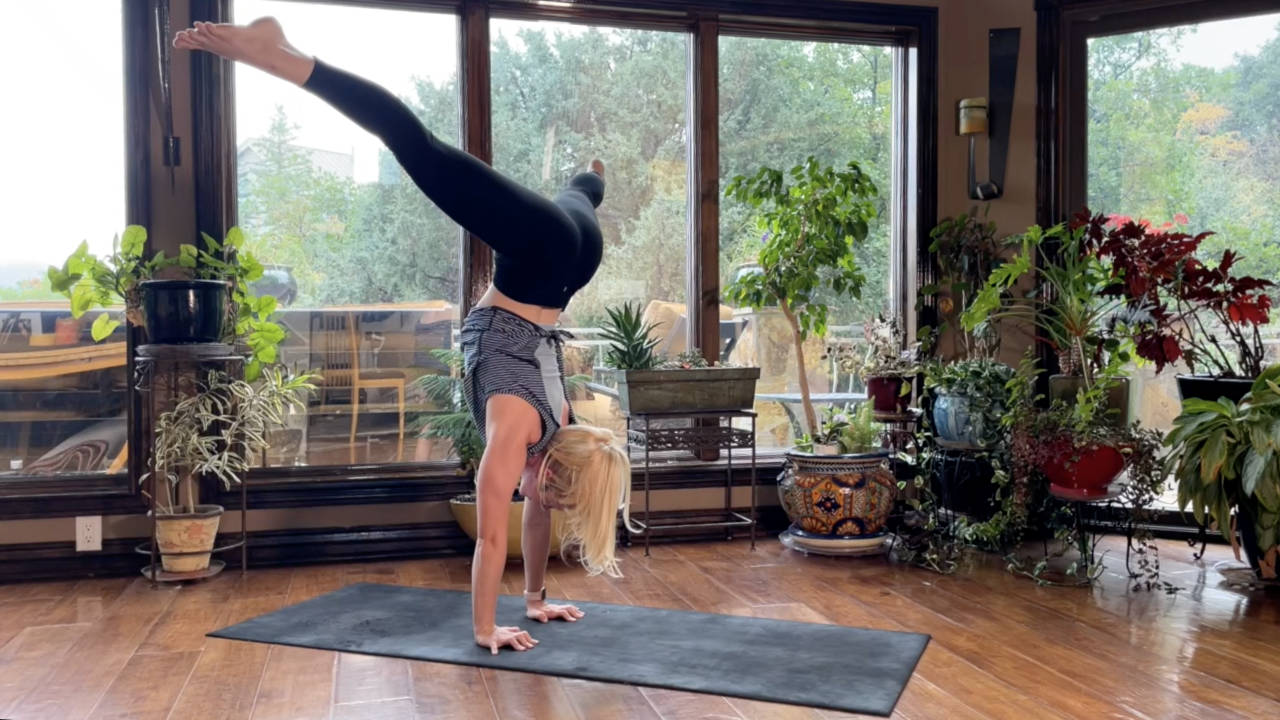
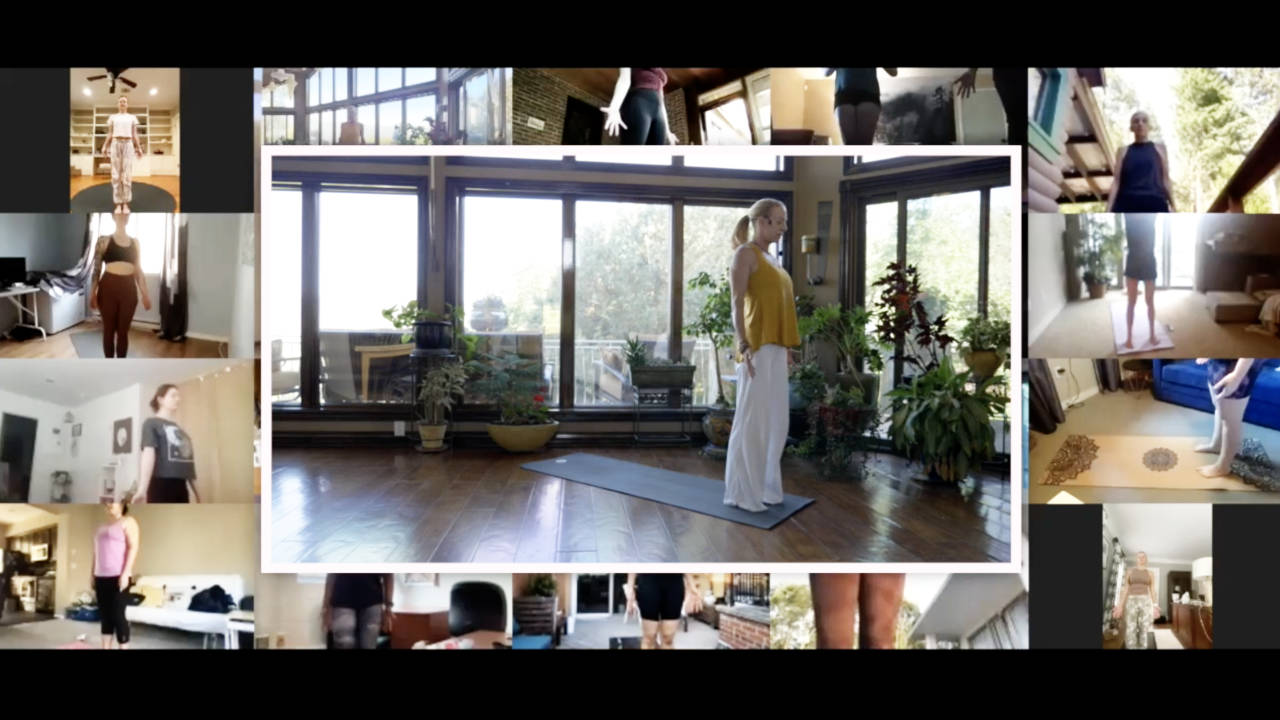
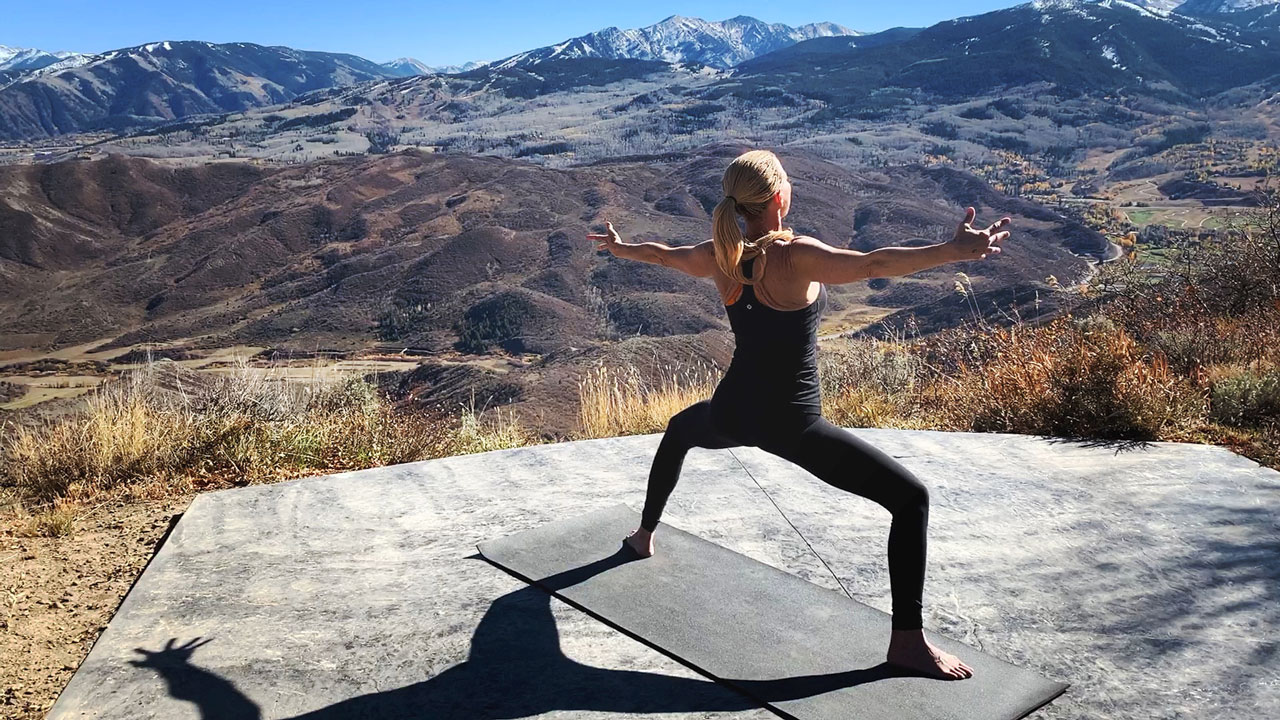
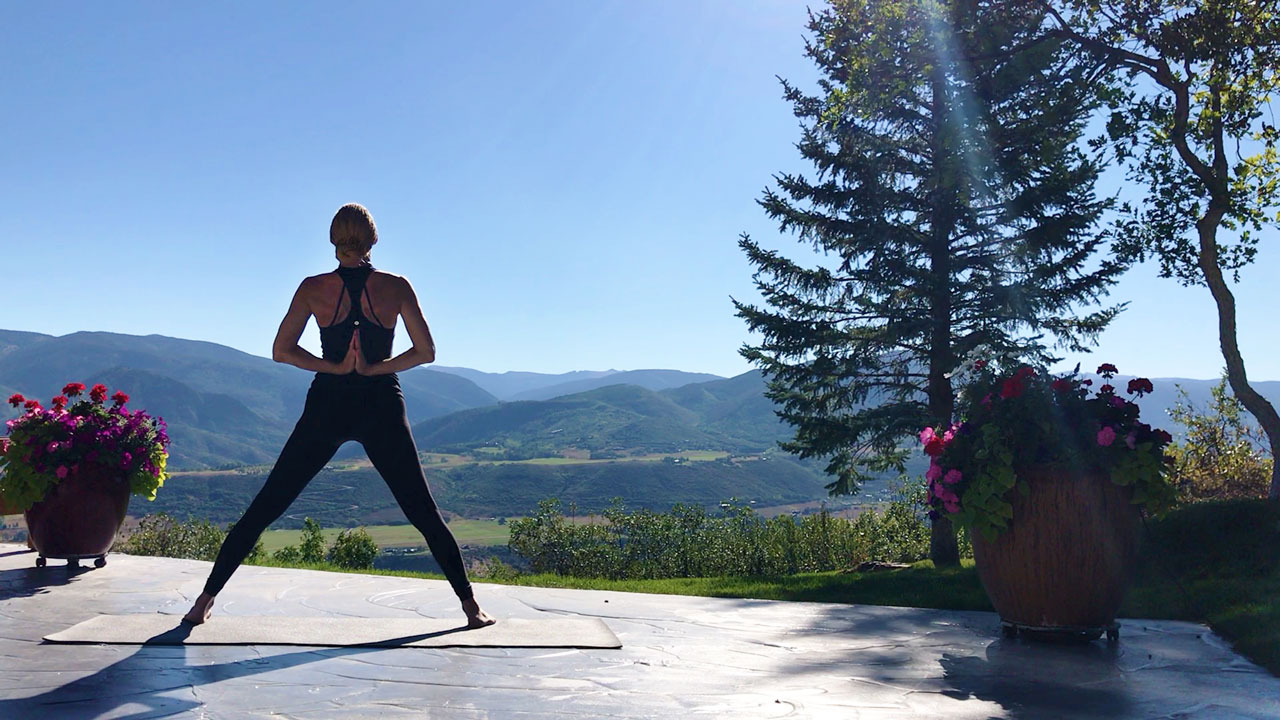
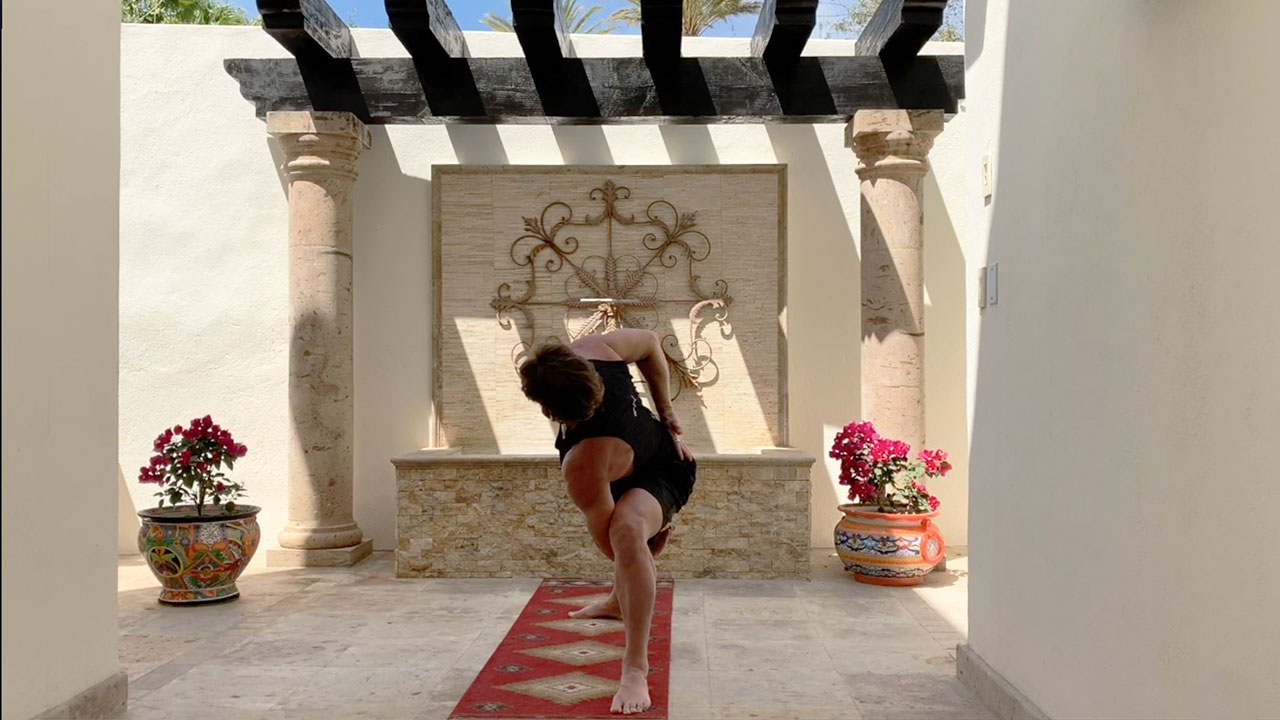
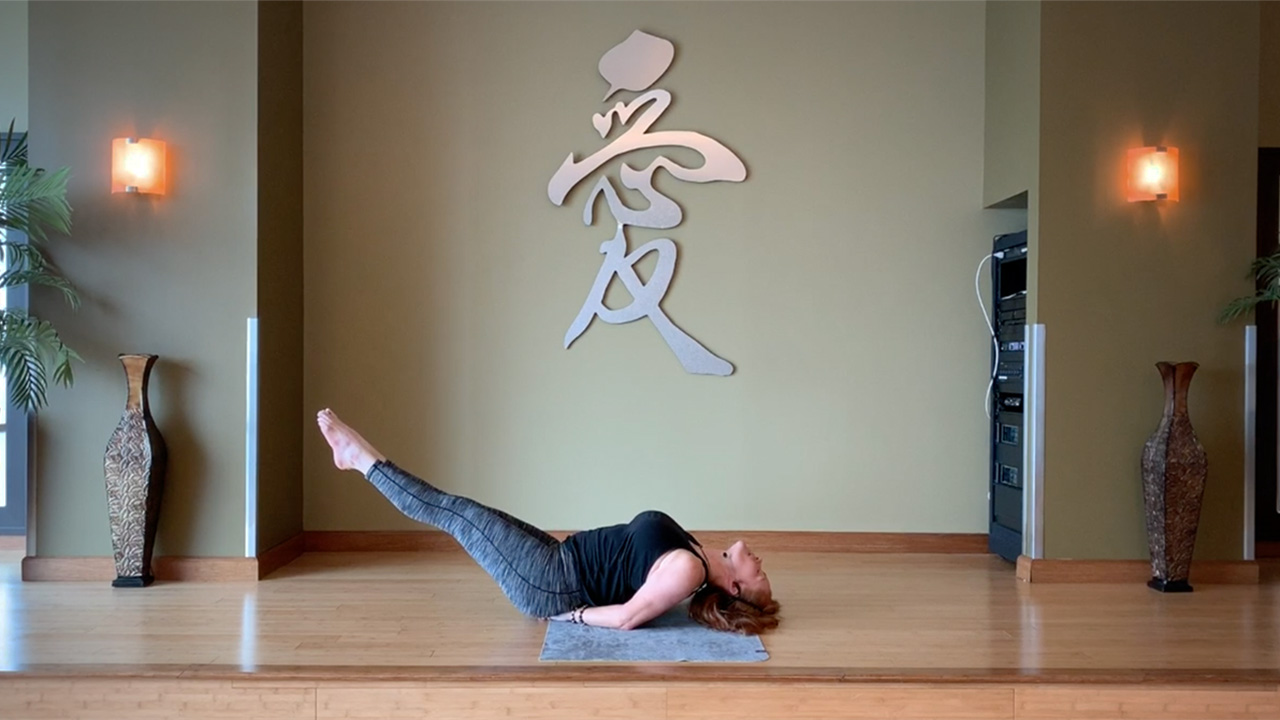
There is also a different kind of intimacy that can happen online. You practice in your own space. You witness your habits honestly. You learn to teach without relying on the energy of a room to carry you. That can build steadiness and self-trust. For students who are already balancing a full life, that kind of integration can be more transformative than a fast immersion.
Still, online training is not effortless. It asks for self-direction. It asks you to stay present without the outer container of a physical studio. If you know you learn best through structure and accountability, look for a program with live calls, mentor feedback, discussion spaces, and clear milestones.
How to tell if a program is actually worth it
A good online training should feel spacious, not vague. It should give you flexibility without leaving you alone.
Start with the curriculum. A strong 200-hour program should cover asana, anatomy, philosophy, meditation, pranayama, teaching methodology, ethics, and practicum. If the description leans too heavily on workouts or only highlights pose breakdowns, that is a sign the training may be missing the deeper roots of yoga.
Then look at how the content is delivered. Pre-recorded lessons can be wonderful if they are intentional, well organized, and paired with meaningful support. Live sessions can add energy, connection, and real-time mentorship. The most balanced programs often combine both, allowing you to move at your own pace while still feeling guided.
Teacher presence matters too. You want faculty who do more than recite information. The best educators transmit lineage with care, explain concepts in a grounded way, and help you find your own authentic teaching voice. That blend of authority and warmth is what turns information into transformation.
Community is another piece students often overlook. A training can be online and still feel deeply connected. Shared practice spaces, peer circles, feedback sessions, and live gatherings can create a genuine sense of belonging. If a program promises transformation but offers no human connection, that is worth pausing over.
The trade-off between convenience and depth
This is where honesty helps. Not every online program delivers the same level of immersion as an in-person intensive. There are forms of learning that happen beautifully face-to-face, especially around hands-on assists, teaching presence, and subtle energetic exchange.
But that does not mean online training is lesser. It means the format changes the emphasis. Online learning can deepen self-study, consistency, and personal practice in powerful ways. It can also make training accessible to people who would otherwise never begin.
The question is not whether online is better or worse. It is whether the school understands how to teach well in an online environment. A thoughtful program adapts. It builds in verbal cueing skills, observation practices, mentorship, and embodied assignments that help students learn beyond the screen.
What makes a training feel transformational
A certification can teach you how to sequence a class. A meaningful training teaches you how to listen.
Transformation usually happens when the curriculum speaks to the whole person. You are not only memorizing alignment points. You are examining your patterns, your beliefs, your relationship to voice, purpose, and service. You are learning how yoga lives off the mat, in the quiet places where no one is watching.
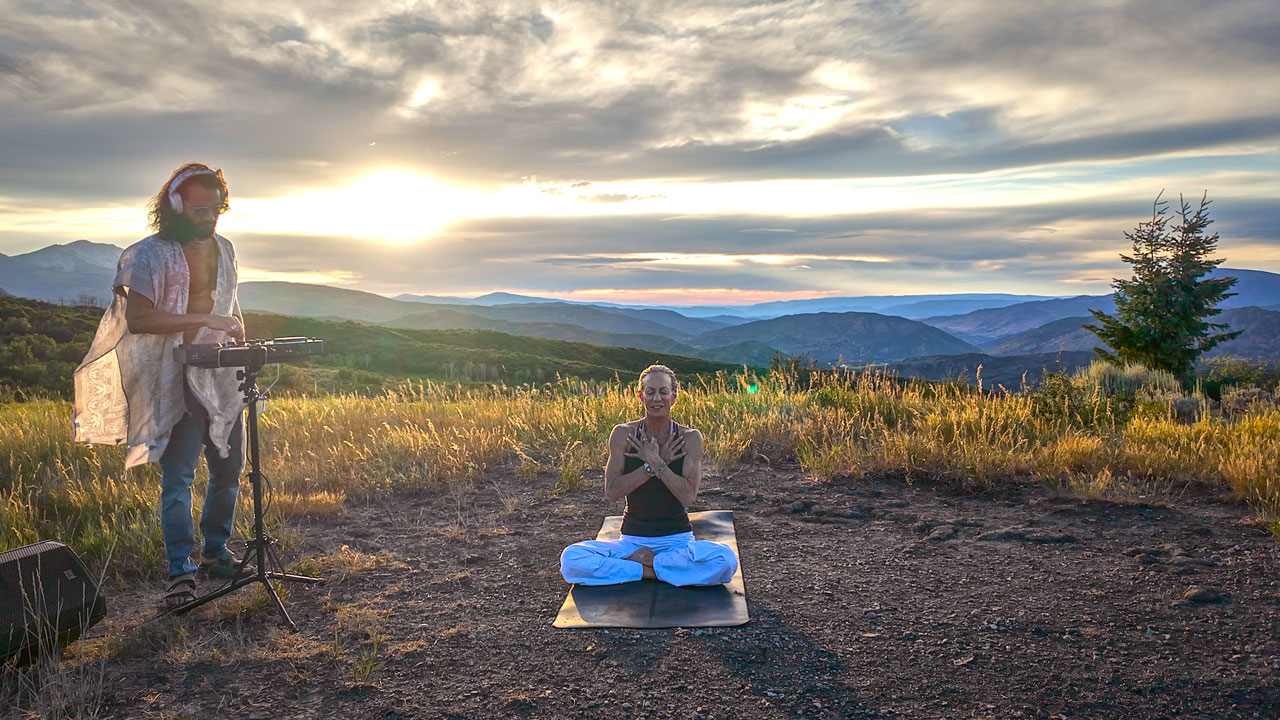
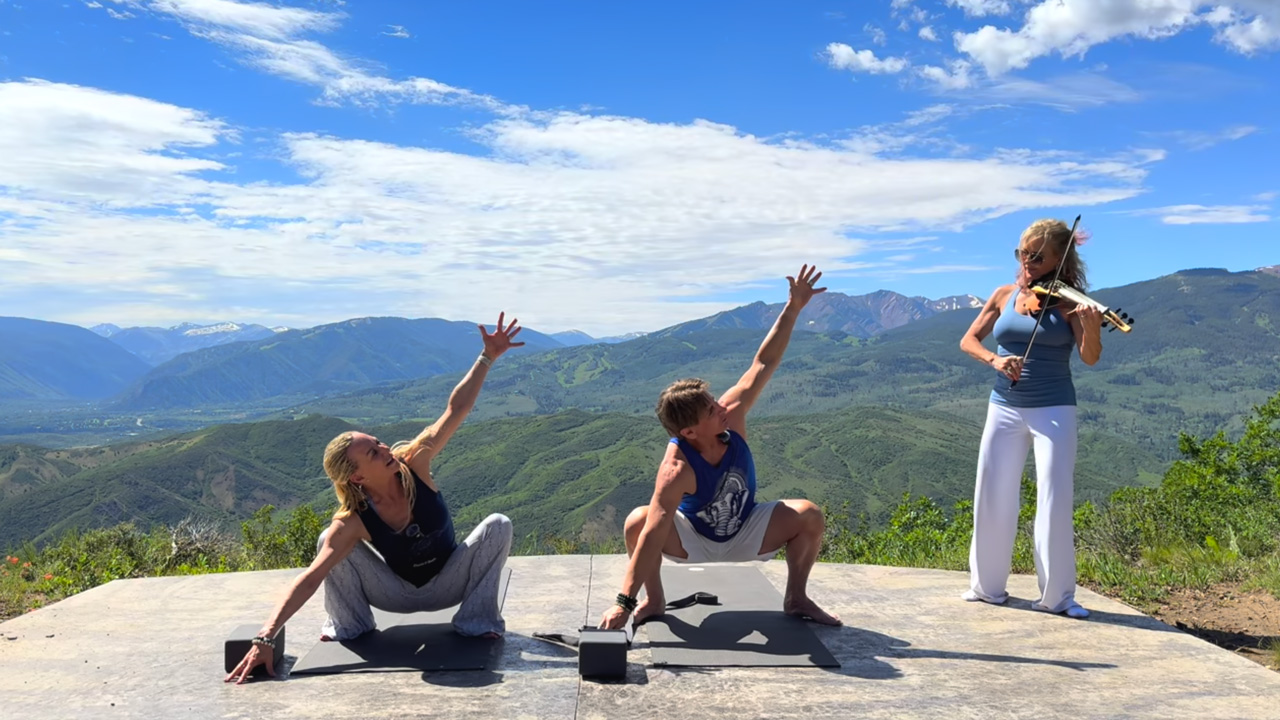
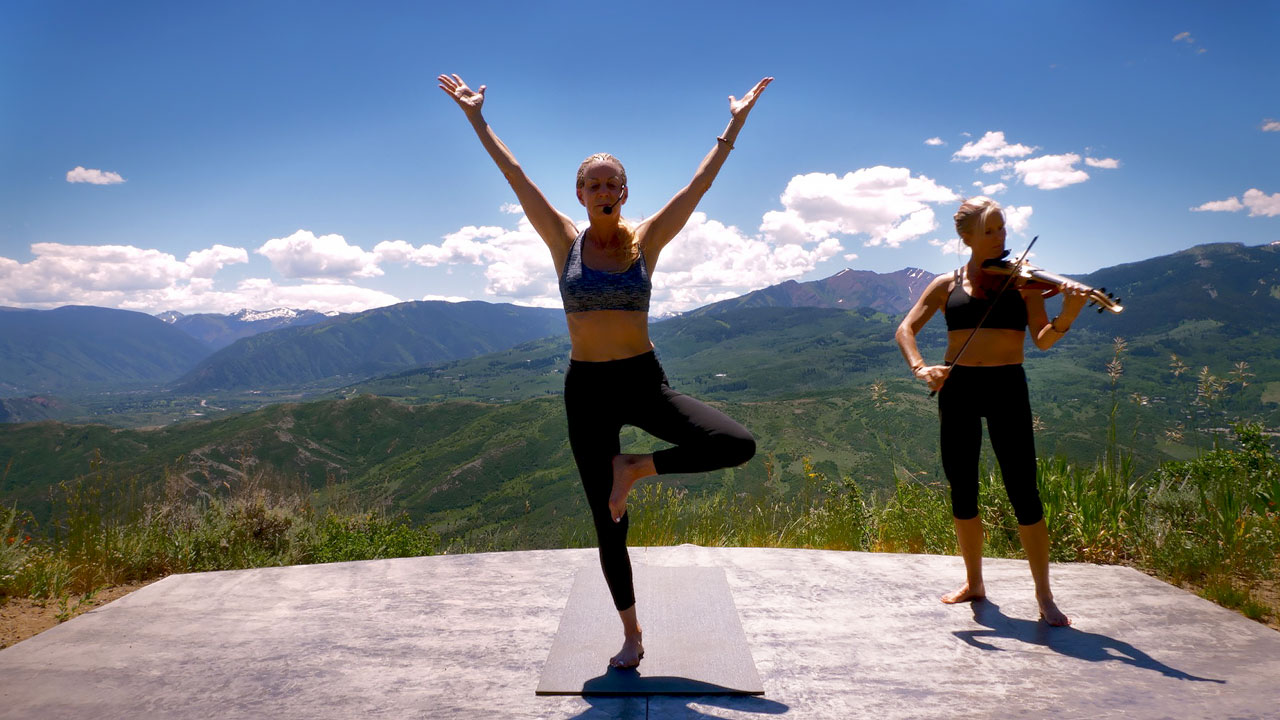
For many students, this is where a music-centered and community-rooted approach becomes especially powerful. Rhythm can help learning move from the intellect into the body. Practice becomes less mechanical and more felt. Breath, mantra, meditation, movement, and sound begin to work together, and the training starts to feel like an experience of remembrance rather than performance.
That is one reason some students are drawn to schools like Drishti Beats. They want recognized certification, but they also want devotion, creativity, and a sense of connection that standard programs often miss.
Questions to ask before you enroll
Before choosing an online yoga teacher training Yoga Alliance school, take your time with a few grounded questions. Does the program fit your schedule in a realistic way, not an idealized way? Do you feel nourished by the teachers and their philosophy? Is there mentorship available when doubt comes up? Does the training prepare you to teach real humans, not just complete modules?
It also helps to ask what you want this training to become in your life. Some students are preparing for a career shift. Some want to deepen a personal practice. Some feel called to hold space in their communities with more clarity and compassion. Your reason matters because it will shape what kind of support you need.
If you already know you crave spiritual depth, choose a program that names that clearly. If you want practical teaching skills, make sure there is enough practicum and feedback. If you value flexibility, confirm that self-paced does not mean unsupported.
Is Yoga Alliance registration enough on its own?
It is a strong starting point, but not the whole answer.
Yoga Alliance recognition gives your training a level of professional familiarity. It can help when applying to studios, advancing to 300-hour study, or communicating the legitimacy of your education. That is real value.
But a yoga teacher is not made by paperwork. A teacher is shaped through practice, humility, repetition, mentorship, and the willingness to keep learning. The best program will help you meet the standard and become more yourself in the process.
That is the sweet spot many students are looking for now. They want a training that honors tradition, works with modern life, and supports not just a certificate, but a calling.
If you are standing at the threshold, trust that the right online training will do more than fit your schedule. It will meet your life with care, invite your voice forward, and help you teach from a place that feels steady, honest, and deeply your own.