You have probably seen the phrase everywhere on teacher training pages, retreat sites, and yoga school brochures – but what is yoga alliance certified training, really? For many students, it sounds like a stamp of approval. For aspiring teachers, it can feel like the line between a personal practice and a professional path. The truth is a little more nuanced, and understanding that nuance helps you choose a training that supports not only your credentials, but your growth.
What is Yoga Alliance certified training?
In simple terms, Yoga Alliance certified training usually refers to a yoga teacher training offered by a Registered Yoga School, often called an RYS, that meets Yoga Alliance’s educational standards. When you complete an eligible program through one of these schools, you may be able to register with Yoga Alliance as a teacher, depending on the training level you completed.
That matters because Yoga Alliance is one of the most widely recognized organizations in the yoga education space, especially in the United States. It is not a government licensing board, and it does not legally grant permission to teach yoga. Instead, it sets a framework for training hours, curriculum categories, and school registration standards that many studios, employers, and students recognize.
So when people ask what is yoga alliance certified training, the clearest answer is this: it is training delivered through a school that has registered its program with Yoga Alliance and follows their standards for yoga teacher education.
What Yoga Alliance does – and what it does not do
This is where confusion often begins. Yoga Alliance does not certify yoga teachers in the same way a state board certifies nurses, therapists, or public school teachers. Yoga is not regulated that way in most places.
What Yoga Alliance does is maintain a registry. Schools can register their programs, and graduates of qualifying trainings can apply for a teacher designation on that registry. That is why you often see titles like RYS 200 for schools and RYT 200 for teachers.
This distinction matters. A Yoga Alliance registered training can absolutely help you build credibility, especially if you want to teach at studios that prefer or require it. But the quality of your education still depends on the school, the teachers, the curriculum, and the way the program is held. A recognized structure is valuable. It is not, by itself, a guarantee of depth, integrity, or transformation.
How the training levels work
Most people first encounter Yoga Alliance through a 200-hour teacher training. This is typically the foundational level and often the entry point for those who want to teach or simply deepen their practice in a meaningful way.
A 200-hour program generally covers core areas such as asana, anatomy, philosophy, ethics, meditation, teaching methodology, and practicum. It is designed to give you a broad base. For some students, that is enough to begin teaching confidently. For others, it is just the beginning.
After that, there is the 300-hour level, which is for teachers who have already completed a 200-hour training. This level tends to be more advanced, more specialized, and more personal. It often asks you to refine your voice, sharpen your sequencing, expand your understanding of subtle practices, and teach from lived experience rather than memorized cues.
Together, a 200-hour and 300-hour training can add up to 500 hours, which represents a more advanced path of study. There are also continuing education offerings, which support teachers in staying current, inspired, and in relationship with their craft.
Why people look for Yoga Alliance training
There are practical reasons, and there are soul reasons.
On the practical side, a Yoga Alliance registered training can make your education more recognizable. If you want to teach at studios, gyms, wellness centers, retreats, or online platforms, being trained through a registered school may help others understand the scope of your preparation. Some employers specifically ask for it. Others simply see it as a trusted baseline.
On a deeper level, many students want a training that feels anchored in a clear standard. When you are investing your time, energy, and money into a life-changing program, structure can feel supportive. It gives shape to the journey.
Still, recognition is only part of the picture. Many students are not looking for a certificate alone. They are looking for a training that changes the way they listen, lead, move, and live. That is where the heart of the school matters just as much as the registry.
What is included in a Yoga Alliance registered curriculum?
While each school teaches in its own voice, Yoga Alliance registered programs are generally built around specific educational categories. These usually include training in techniques and practice, teaching methodology, anatomy and physiology, yoga humanities such as philosophy and ethics, and practical teaching experience.
That sounds straightforward, but schools interpret those categories differently. One program may lean heavily into alignment and biomechanics. Another may be rooted in philosophy, subtle body study, mantra, meditation, and spiritual inquiry. A third may center inclusive teaching, trauma awareness, or a creative approach to sequencing.
This is where it depends. Two 200-hour programs can both be Yoga Alliance registered and feel completely different in energy, depth, and emphasis. One may prepare you to teach polished studio classes quickly. Another may guide you through a slower, more devotional, more transformational process.
Neither approach is automatically better. The right fit depends on what kind of teacher – and human – you are becoming.
Online vs. in-person training
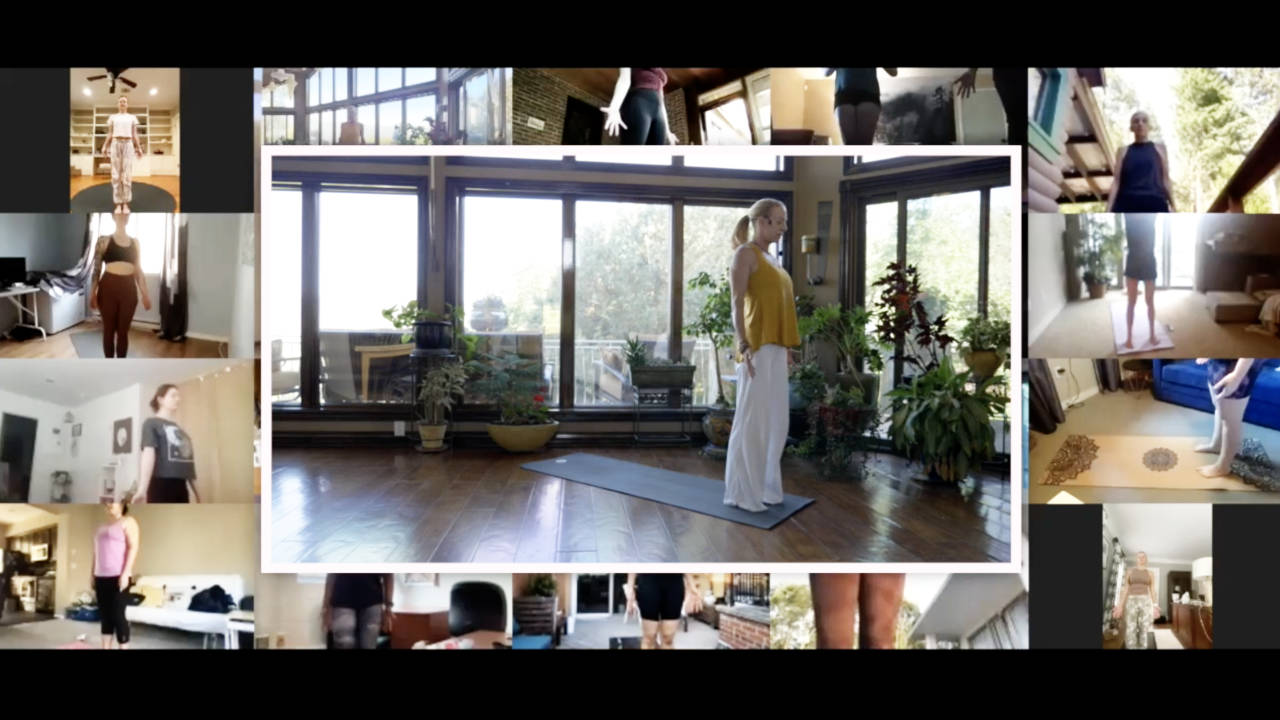
One of the biggest questions students ask is whether online Yoga Alliance training counts. In many cases, yes – if the school is properly registered and the program is designed to meet current Yoga Alliance requirements.
Online training has opened the door for students who need flexibility, who work full-time, who parent, who travel, or who simply learn better when they can revisit material at their own pace. That accessibility has changed yoga education in a powerful way.
But format does shape experience. In-person learning can offer immediate feedback, embodied community, and the felt energy of shared practice. Online learning can offer spaciousness, reflection, and the ability to integrate lessons into real life in real time. The strongest online programs do not just upload videos. They create connection, mentorship, practice teaching opportunities, and a genuine sense of belonging.
If your life calls for flexibility, an online Yoga Alliance registered training can be deeply legitimate. The real question is whether the program feels alive, relational, and well-supported.
How to choose the right Yoga Alliance certified training
When you are comparing programs, start with more than the badge. Ask how the school teaches, what it values, and what kind of community it creates.
Look closely at the faculty. A program can meet formal standards and still feel flat if the teachers are disconnected from the material or teaching from habit instead of devotion. Read the curriculum with care. Notice whether it speaks only to technique or also to embodiment, philosophy, voice, ethics, and personal transformation.
Pay attention to the learning environment too. Do you feel welcomed? Do you sense inclusion? Is there room for your individuality, your background, your questions, your rhythm? The best trainings do not try to produce identical teachers. They help you uncover your own grounded way of leading.
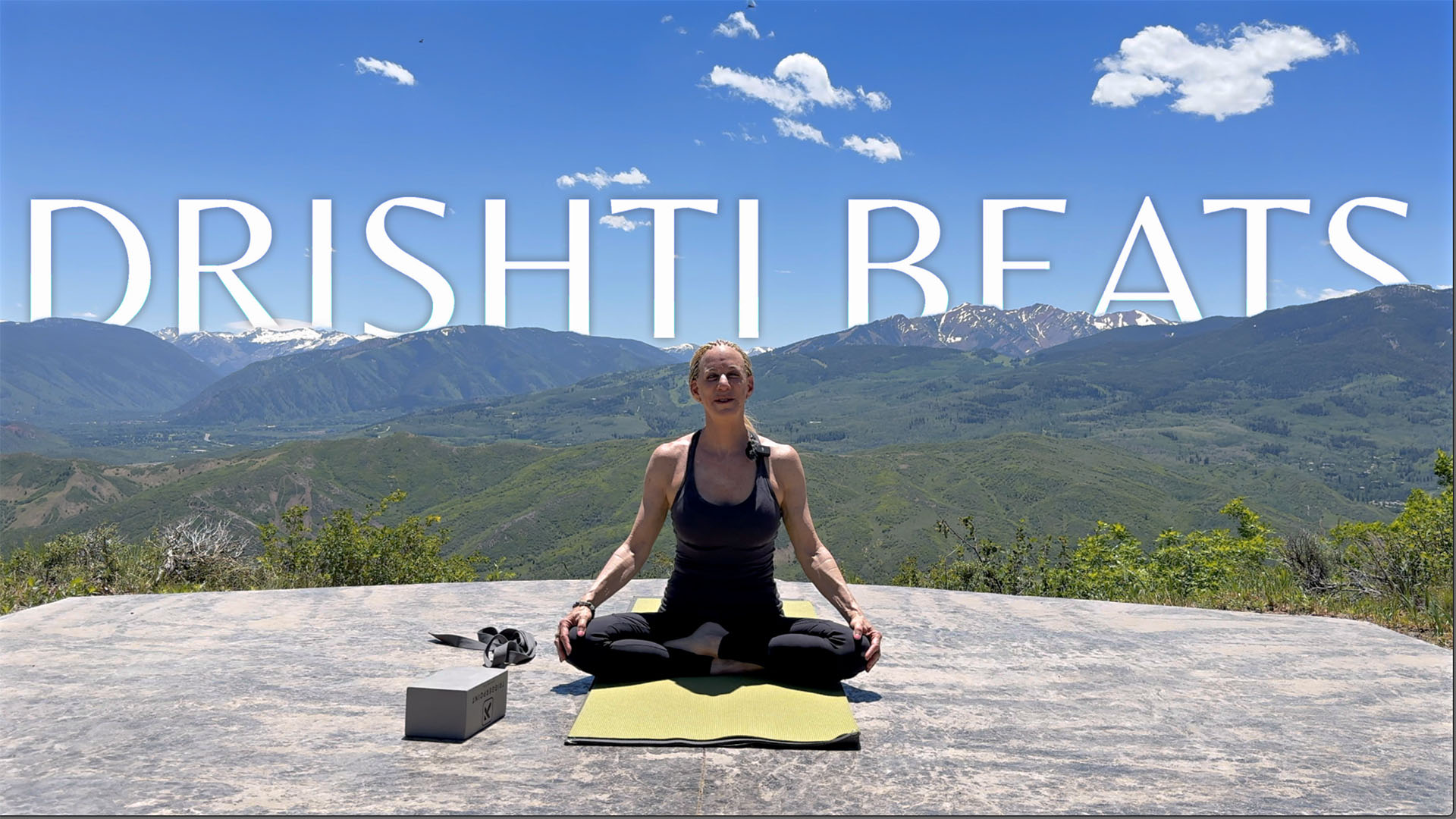
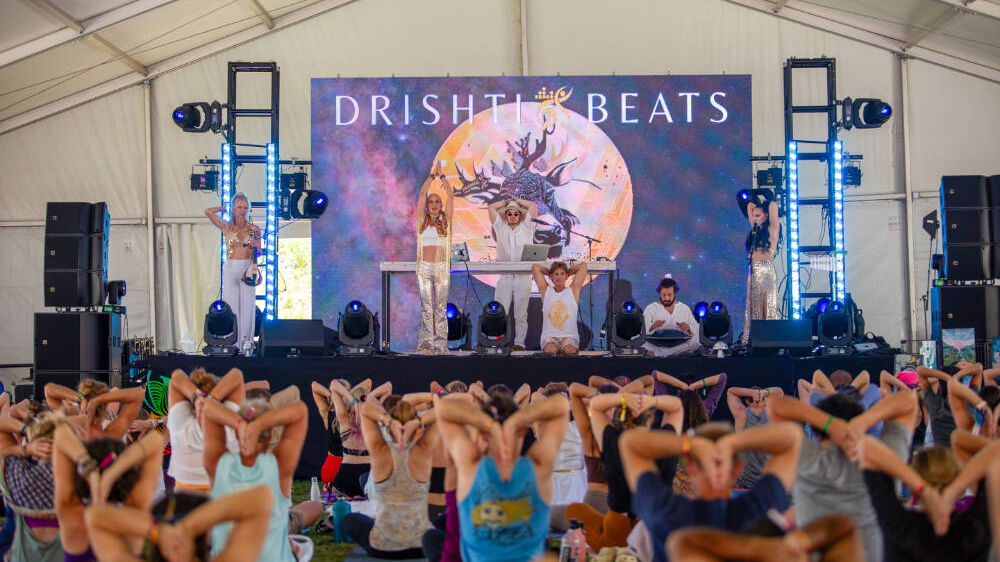
If music, creativity, spiritual depth, and emotional resonance matter to you, that is worth honoring. A school like Drishti Beats may appeal to students who want recognized training without leaving behind artistry, devotion, and community. That kind of fit can shape your experience far more than a credential line alone.
Common misunderstandings about Yoga Alliance training
A common misconception is that Yoga Alliance approval automatically means a program is the best available. It does not. It means the school has aligned its program with a recognized framework.
Another misunderstanding is that you must have Yoga Alliance training to teach yoga anywhere. Sometimes that is true for certain studios or employers, but not always. Some spaces care more about your actual teaching skill, your presence, your experience, and your ability to hold students safely.
There is also the belief that certification is the finish line. In reality, most meaningful yoga teaching begins after training ends. Your first program gives you roots. The rest comes through practice, mentorship, continued study, humility, and the willingness to keep listening.
Is Yoga Alliance certified training worth it?
For many people, yes. It can offer clarity, recognition, and a solid educational foundation. If you know you want a widely accepted credential, it is often a wise step.
At the same time, the true value lies in how the training shapes you. A certificate may help open a door, but your presence is what carries people once they enter the room. The most worthwhile program is one that gives you both structure and soul – a training that prepares you to teach with skill while also deepening your relationship to practice, purpose, and inner peace.
If you are standing at the threshold and wondering where to begin, trust both discernment and resonance. Choose the path that feels credible, yes, but also alive enough to meet the teacher already stirring inside you.