A lot of people start searching for yoga alliance certification online after a moment that feels bigger than logistics. Maybe your practice has deepened. Maybe friends keep telling you to teach. Maybe you know you want training, but not a rushed weekend model or a program that flattens yoga into memorization. You want something recognized, yes, but also something that feels alive.
That tension is real. Online training offers freedom, but freedom can also make the search harder. Not every program carries the same depth, support, or educational integrity. If you are trying to figure out whether online certification is actually respected, how it works, and what kind of school is worth your energy, the answer is less about format and more about substance.
What yoga alliance certification online actually means
First, a useful clarification. Yoga Alliance does not certify individual teachers in the way a state board licenses a therapist or a nurse. Instead, Yoga Alliance recognizes schools that meet its educational standards. When you complete a qualifying program through a registered school, you can then apply to become a Registered Yoga Teacher, assuming you meet the requirements for that credential level.
That distinction matters because many students use the phrase yoga alliance certification online to mean an online teacher training that qualifies them for Yoga Alliance registration. In practical terms, that usually means you are looking for a school approved to offer a 200-hour, 300-hour, or 500-hour training in a format that can be completed remotely.
For most aspiring teachers, the 200-hour training is the foundation. It introduces teaching methodology, anatomy, philosophy, ethics, sequencing, and practicum. A 300-hour program is designed for teachers who already hold a 200-hour credential and want to deepen their knowledge. Together, those can add up to a 500-hour path.
Is online yoga teacher training respected?
Yes, but with context. Online training has become widely accepted, especially as high-quality digital education has improved. Many studios, retreat companies, wellness brands, and private clients care less about whether your training happened in a physical room and more about whether you can teach safely, hold space well, communicate clearly, and embody the practice with sincerity.
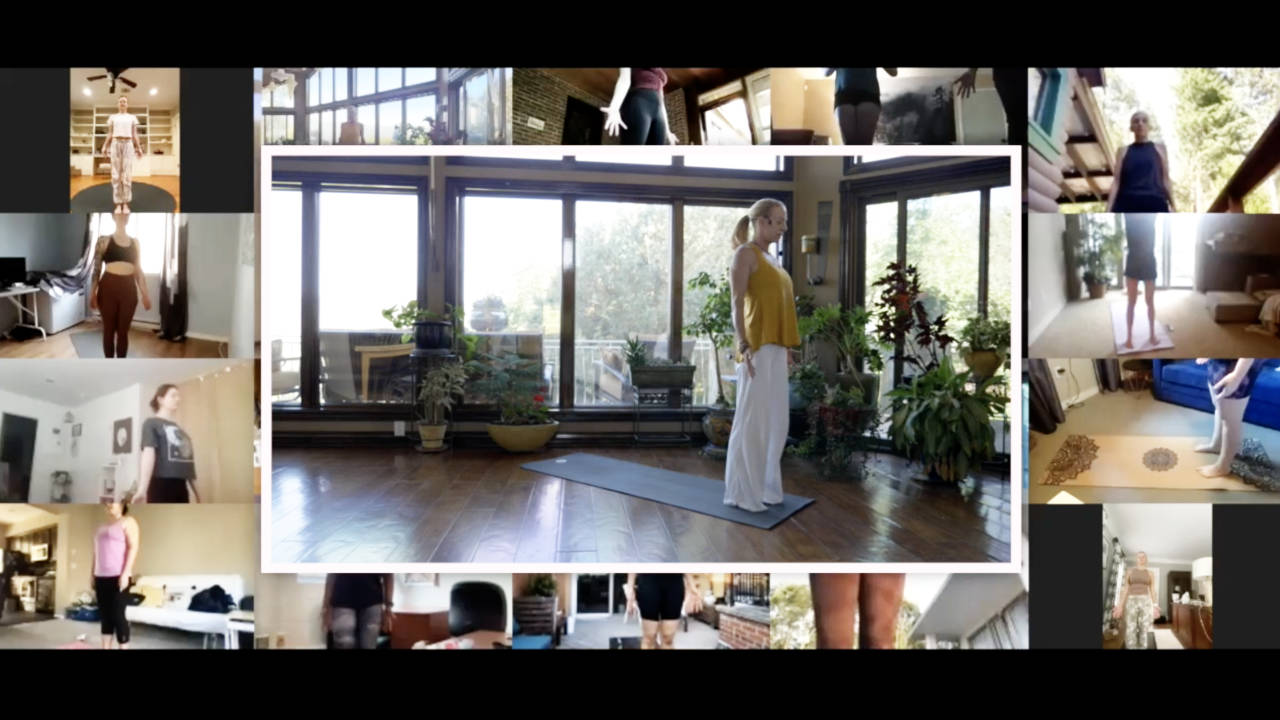
That said, there are still trade-offs. Some students thrive online because they have time to absorb material, replay lectures, and integrate learning into real life. Others need the accountability and immediate feedback of in-person immersion. A strong online program bridges that gap with live calls, mentoring, practice teaching, and real community rather than just pre-recorded videos and a certificate at the end.
So if you are asking whether the credential counts, the answer is generally yes. If you are asking whether all online programs prepare you equally well, the answer is no.
What to look for in a yoga alliance certification online program
The right program should feel expansive, not vague. It should offer structure without turning yoga into a box-checking exercise.
Start with registration status. A legitimate school should be clear about its Yoga Alliance standing and which training levels it offers. If that information is hard to find or explained in fuzzy language, pay attention.
Then look at the curriculum. A meaningful training should cover more than pose breakdowns. You want philosophy that invites reflection, anatomy taught in a useful and embodied way, sequencing that prepares you to teach actual humans, and opportunities to practice cueing, observing, and adapting. If the program promises transformation but avoids educational specifics, that is a red flag.
Support matters just as much as content. Online learning can be intimate and powerful, but only when students are seen. Ask whether there are live sessions, mentor feedback, peer connection, and space for questions. Yoga is relational. Teacher training should be, too.
Finally, pay attention to the school’s teaching voice. Some programs are highly technical and fitness-oriented. Others are rooted in spiritual philosophy, ritual, subtle body study, music, community, or creative expression. None of those approaches is automatically better. What matters is alignment. The training should meet the teacher you are becoming, not just the title you want to earn.
The real benefits of training online
For many students, the biggest gift of online study is not convenience. It is spaciousness.
In a self-paced or hybrid format, you have time to sit with the teachings instead of racing through them. You can revisit complex material. You can practice teaching in your own voice rather than mimicking the loudest person in the room. If you work full-time, parent, travel, or live far from a trusted school, online access can make teacher training possible when it otherwise would not be.
There is also a quieter kind of transformation that happens at home. Instead of leaving your life to attend training, you bring the teachings into your life as it already exists. Your relationships, habits, routines, resistance, and devotion all become part of the classroom. For many practitioners, that integration is profound.
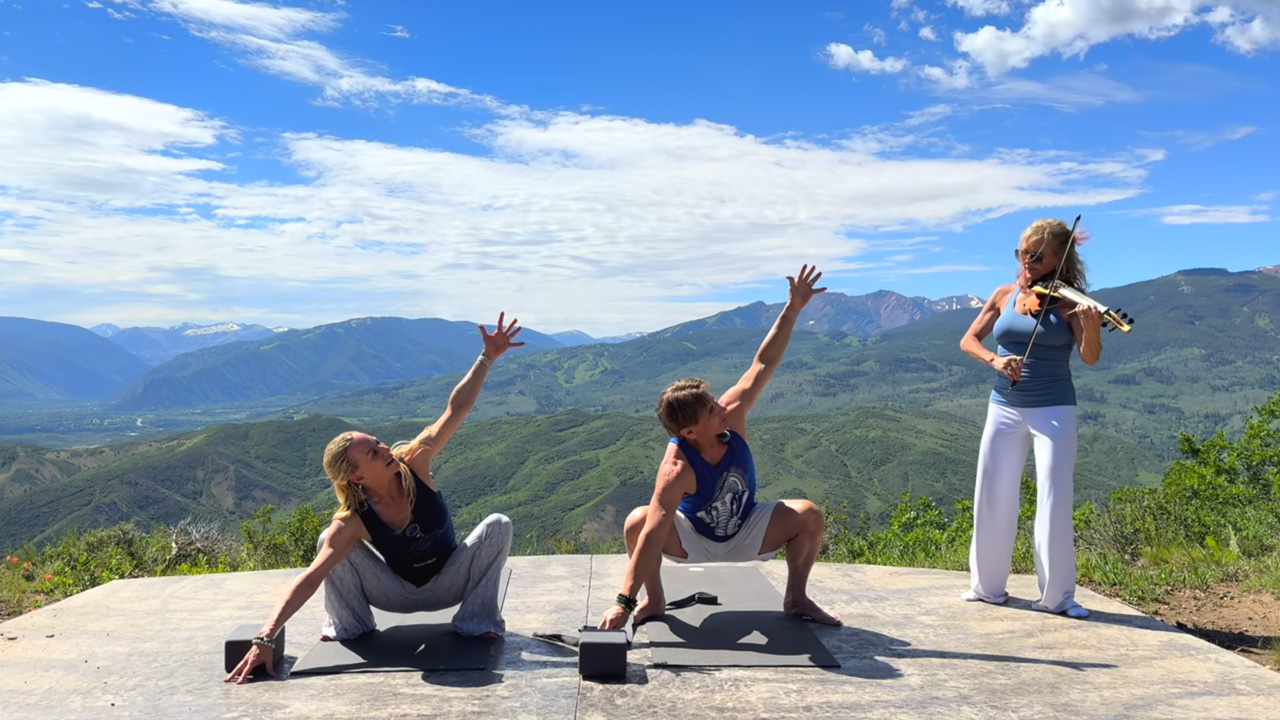
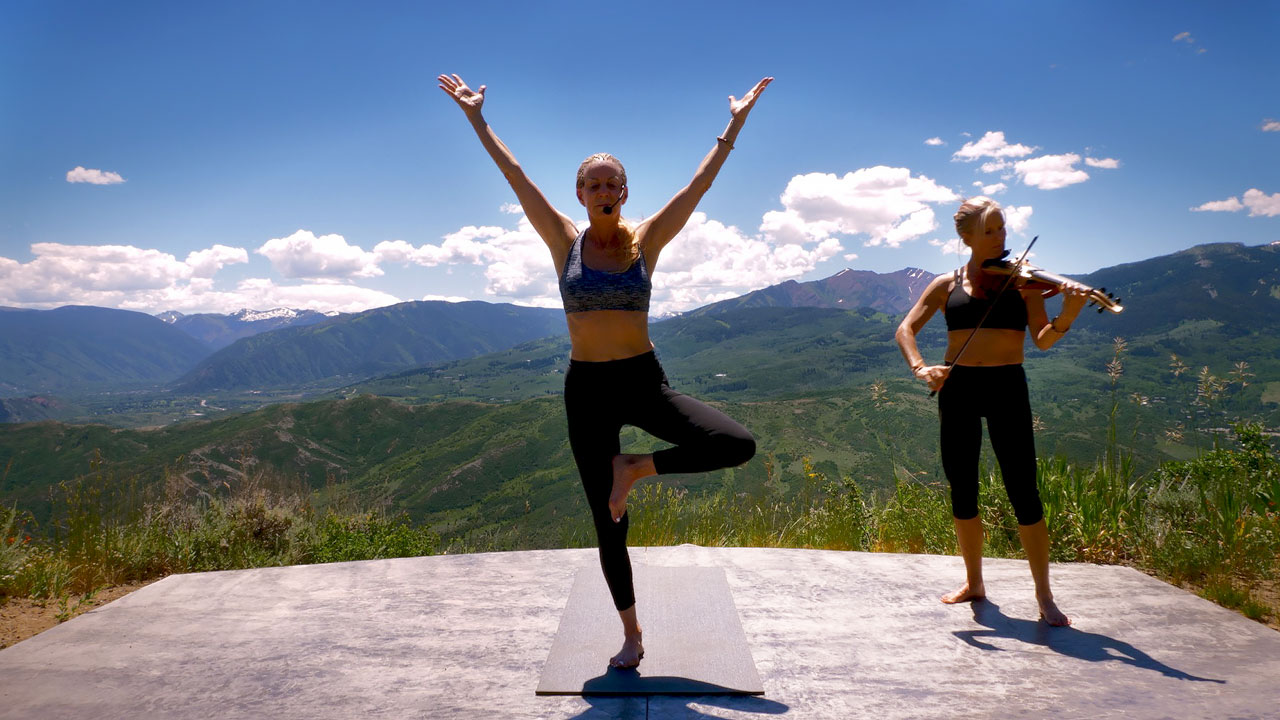
Schools like Drishti Beats have shown that online education does not have to feel sterile. When training includes rhythm, storytelling, spiritual depth, and real connection, the digital format can still feel warm, embodied, and communal.
Where online training can fall short
The honest answer is that online learning is not ideal for everyone.
If you struggle with self-direction, a fully self-paced model may be hard to complete. If you learn best through touch-based feedback, in-room demonstration, or spontaneous conversation, virtual education may require extra effort. And if a school is poorly designed, the distance becomes even more obvious. Without mentorship, feedback, and genuine interaction, students can finish with information but not confidence.
There is also the issue of practice teaching. A teacher training should help you move from private understanding into public offering. That transition can feel vulnerable. In-person environments naturally create repetition and accountability. Online programs need to build those intentionally through assignments, live practicums, recorded teaching submissions, and faculty support.
None of this means online training is lesser. It means the format asks for maturity from both the student and the school.
How to choose the right path for your goals
If your main goal is to begin teaching foundational classes, a 200-hour online training may be exactly right. If you are already teaching and feel ready to refine your voice, study more deeply, or move into leadership, a 300-hour program may serve you better. If you want a long-term professional path, a 500-hour trajectory offers more range and credibility.
But hours alone do not tell the whole story. Ask yourself what kind of teacher you want to become. Do you want to teach in gyms and wellness clubs, guide intimate community classes, lead retreats, support healing spaces, or weave music, meditation, and ritual into your offerings? Your answers should shape the school you choose.
It also helps to be honest about timing. A shorter, more affordable program can look appealing, but if it leaves you underprepared, you may end up investing again later. On the other hand, the most expensive or elaborate training is not automatically the best fit. The right choice is the one that gives you recognition, depth, and support in proportion to your current season of life.
Questions worth asking before you enroll
Before committing, ask practical questions and trust the energy of the answers. How long do students get access to the material? Are there live calls or mentor sessions? What kind of feedback is given on teaching practice? Is the philosophy presented with respect and depth, or reduced to inspirational slogans? Does the school cultivate community after graduation, or does the relationship end once payment clears?
You can also ask yourself a quieter question: Do I feel more connected to my purpose when I read about this training? The right school should challenge you, but it should also feel like a place where your voice can emerge.
A credential matters. So does belonging. So does being taught by people who understand that yoga is not just a profession but a living practice.
Is yoga alliance certification online worth it?
For many people, yes. If you choose well, online training can offer recognized education, flexible structure, and deep personal growth without asking you to abandon your real life to receive it. It can be the doorway to teaching, but also to listening more closely to yourself.
The key is not to shop for the fastest certificate. Look for a program that honors the sacred roots of yoga, prepares you to teach responsibly, and invites your full humanity into the process. When that alignment is there, the screen stops feeling like a barrier. It becomes a bridge.
Your training should do more than qualify you. It should steady your practice, widen your perspective, and help you speak from a place that is truly your own.