If you have ever left savasana with the quiet feeling that yoga is asking more of you, this 200 hour yoga teacher training guide is for that moment. Not the moment when you want a certificate for your wall, but the one where you begin to sense that practice can become service, study, and a deeper relationship with your own voice.
A 200-hour training is often described as the foundational step to becoming a yoga teacher. That is true, but it is not the whole truth. The right program does more than teach you how to sequence a class or cue Warrior II. It reshapes how you listen, how you hold space, and how you move through your own life with more clarity, steadiness, and care.
What a 200-hour yoga teacher training really is
At its core, a 200-hour training is your entry point into the study of teaching yoga in a structured, recognized format. If the school is Yoga Alliance registered, the curriculum generally covers the core pillars: asana, anatomy, philosophy, meditation, pranayama, teaching methodology, ethics, and practicum.
But the experience can feel very different from one school to another. Some trainings lean heavily into biomechanics and modern movement science. Others are rooted in devotional practice, subtle body study, mantra, or lineage-based philosophy. Neither approach is automatically better. It depends on what kind of teacher you hope to become and what kind of student you are right now.
That is why choosing a training is not only an academic decision. It is also energetic. You are selecting the environment that will shape your foundation.
Who this guide is for
This path is for aspiring teachers, of course, but it is also for dedicated practitioners who are not yet sure they want to teach. Many students enter training because they want to understand yoga beyond the postures. They want context. They want language for what they have been feeling on the mat. They want to deepen their spiritual practice and bring more intention to everyday life.
If that sounds like you, you do not need to have every answer before you begin. You only need honesty about your reason for stepping in.
What you should expect to learn
A strong 200-hour program should help you build both skill and discernment. You will study alignment, but you should also learn that no single alignment rule fits every body. You will practice cueing, but you should also learn when fewer words create more space. You will explore yoga philosophy, and ideally you will be invited to reflect on how those teachings live in real relationships, real work, and real choices.
In most programs, you can expect to spend time on the physical practice of foundational poses, the basics of functional anatomy, sequencing principles, class themes, breathwork, meditation, ethics, and practice teaching. You may also study the history of yoga, the eight limbs, Sanskrit, the chakra system, or Ayurveda, depending on the school.
The strongest trainings do not rush through these topics as boxes to check. They let the material breathe. They create room for questions, for nuance, and for the very human process of becoming a teacher.
Online or in person – what actually matters
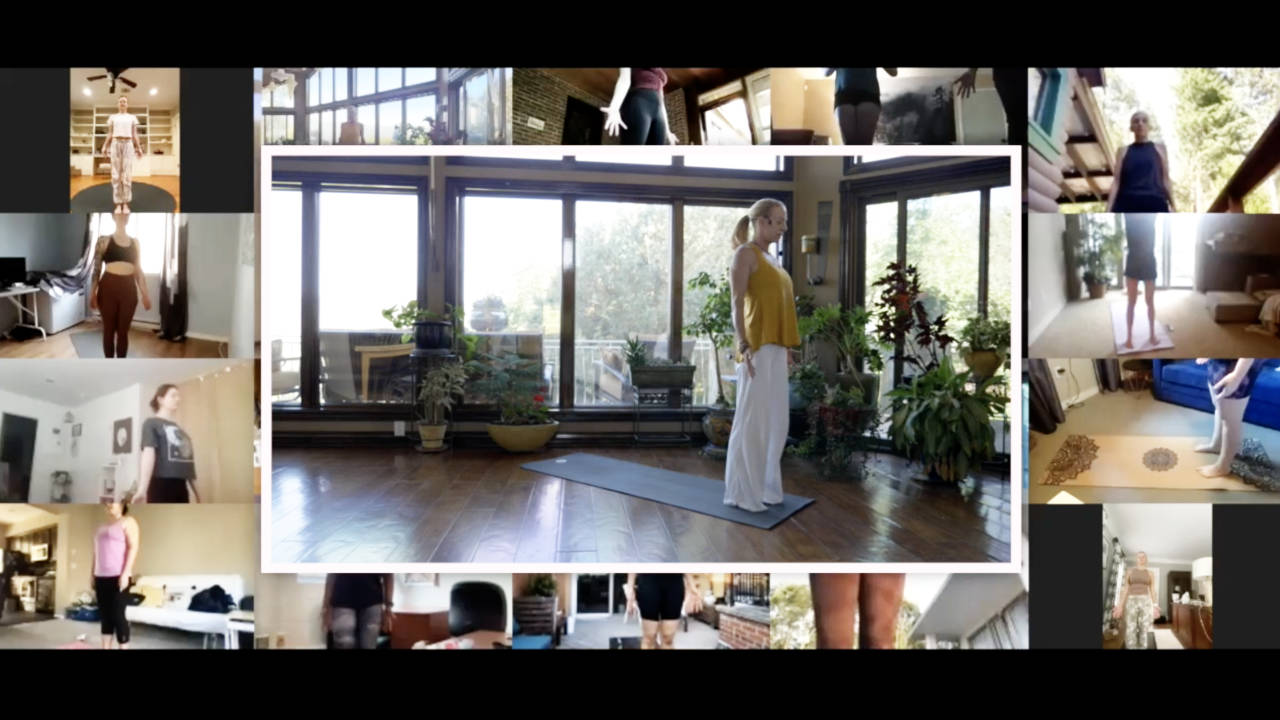
One of the biggest questions in any 200 hour yoga teacher training guide is whether online training is enough. The short answer is yes, it can be. The longer answer is that it depends on the quality of the program and the kind of support built into it.
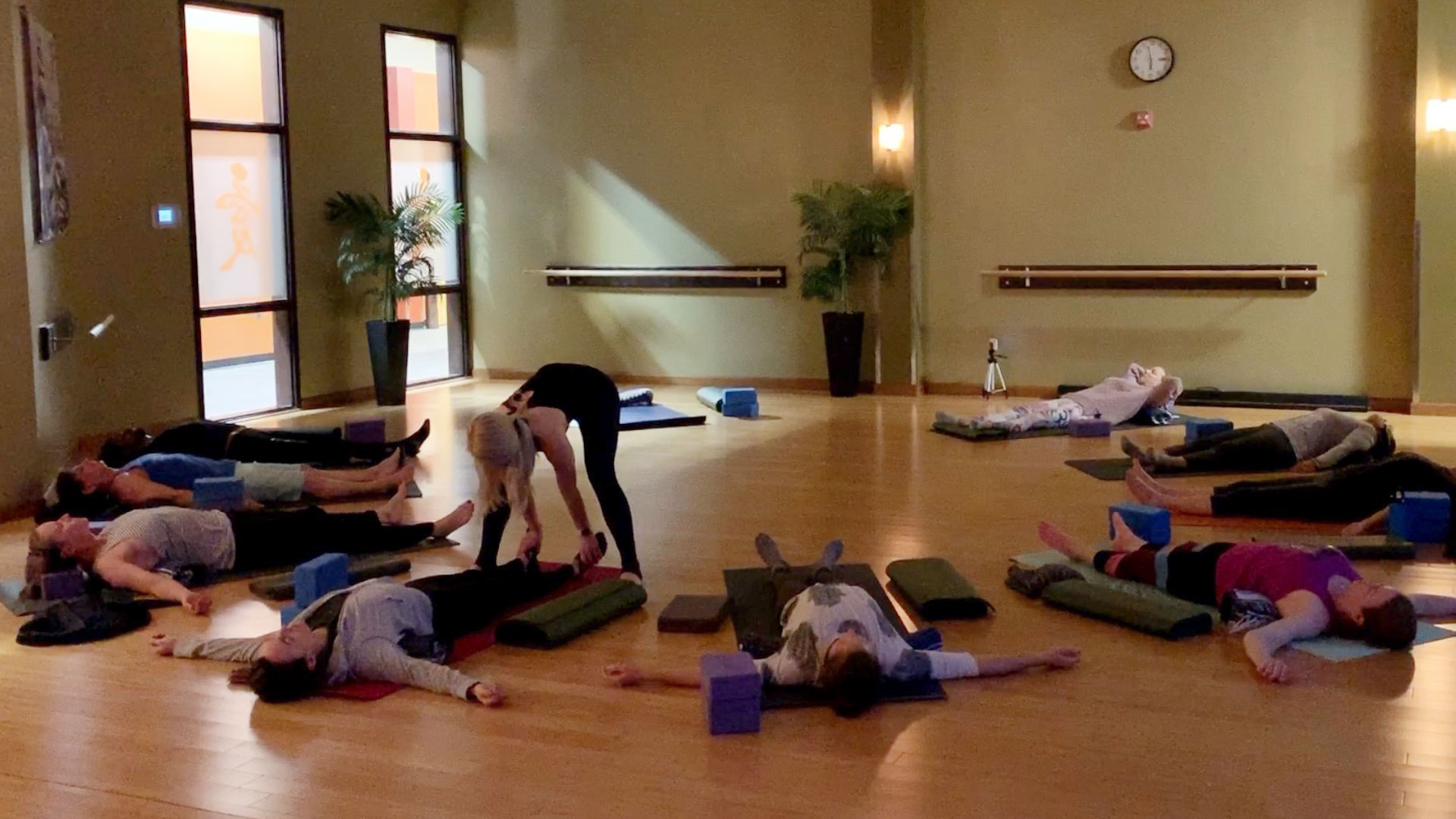
An in-person training offers immediacy. You share physical space, receive live feedback, and often build connection quickly. For some students, that immersion is powerful and necessary.
Online training offers a different kind of gift: flexibility, accessibility, and the ability to learn at your own rhythm. For working adults, parents, caregivers, travelers, or anyone balancing a full life, this can make teacher training genuinely possible rather than permanently postponed.
What matters most is not the format alone. It is whether the program includes thoughtful instruction, clear structure, experienced teachers, meaningful feedback, and opportunities to practice teaching in a supported way. A self-paced model can be deeply transformational when it is designed with intention rather than treated like a stack of videos.
For many students, online learning also creates a quieter intimacy. You are not performing your growth in a room full of strangers. You are meeting the material in your own space, with your own breath, in your own honest time.
How to choose the right 200-hour yoga teacher training
This is where discernment matters. A beautiful website and a low price point do not automatically signal depth. At the same time, the most expensive program is not always the most aligned.
Start by looking at the teaching philosophy. Does the school treat yoga as exercise alone, or as a living practice that includes ethics, breath, presence, and self-inquiry? If you are seeking a heart-centered experience, the difference will be obvious.
Next, look at the faculty. Who is teaching anatomy? Who is teaching philosophy? Who is guiding your practicum? A strong training is rarely built on charisma alone. It is built on skilled educators who can hold both precision and compassion.
Then consider learning style. Do you want structure with deadlines, or flexibility with self-pacing? Do you need live calls, mentorship, and community spaces to stay engaged? Be honest here. The best program for you is the one you will actually be able to complete with steadiness.
It also helps to ask what happens after graduation. Some schools offer a certificate and little else. Others support your transition into teaching through mentorship, continuing education, retreats, or community-based experiences. If you want a path that keeps unfolding, that matters.
Signs a program may not be the right fit
If a training promises that you will master everything in a few short weeks, be cautious. Yoga teaching is a lifelong practice. A good school will help you begin well, not pretend to make you finished.
Be wary of programs that barely mention philosophy, ethics, or meditation. A training centered only on pose breakdowns may prepare you to lead a workout, but not necessarily to guide yoga with integrity.
You should also pay attention to how the school speaks about bodies, accessibility, and tradition. If the language feels rigid, exclusive, or overly performative, trust that response. Your teacher training should expand your sense of belonging, not shrink it.
What makes a training transformational, not just educational
The most memorable trainings change the student as much as they train the teacher. They invite you to practice what you teach. They ask you to sit with discomfort, listen inwardly, and speak from experience rather than imitation.
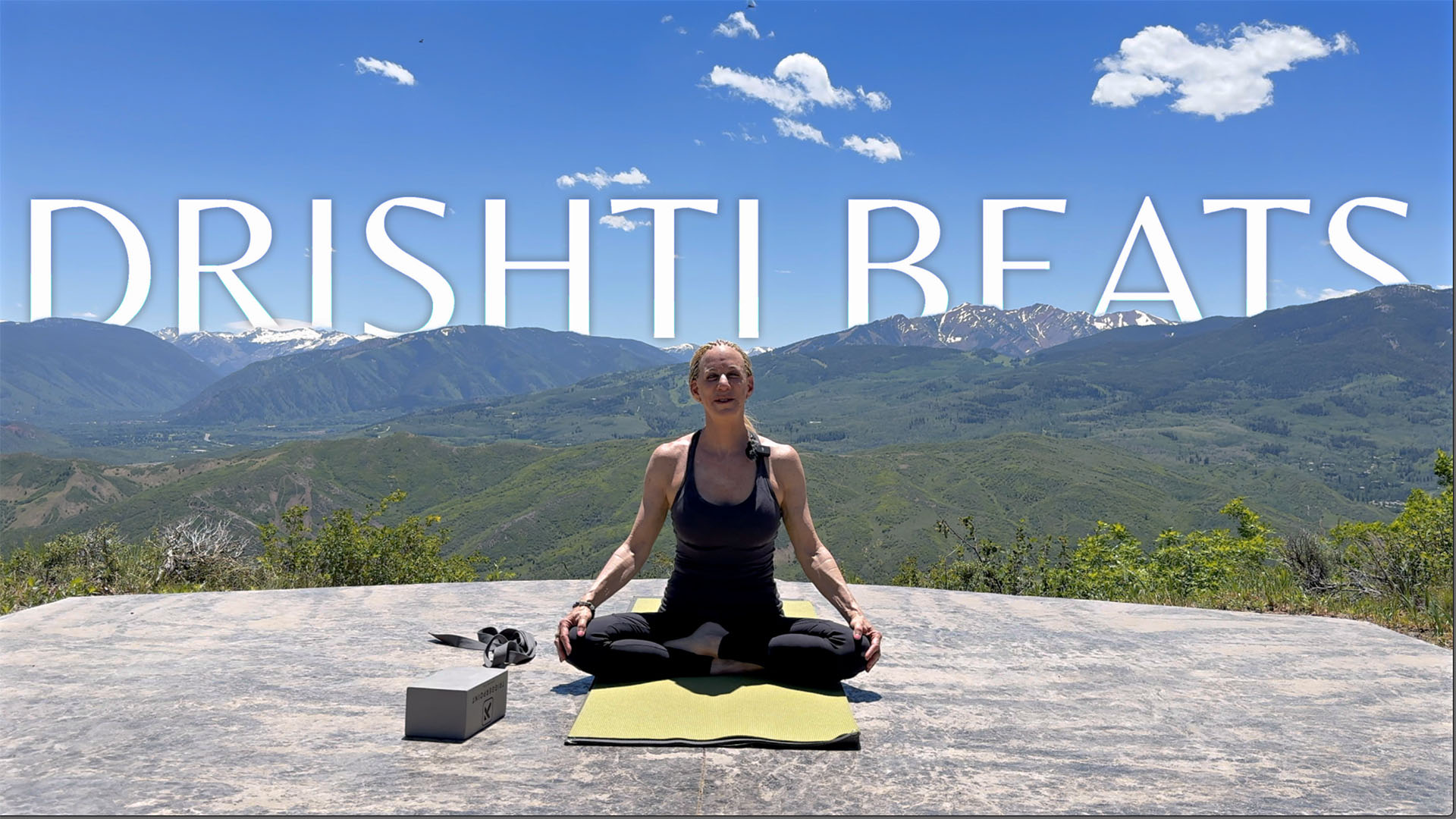
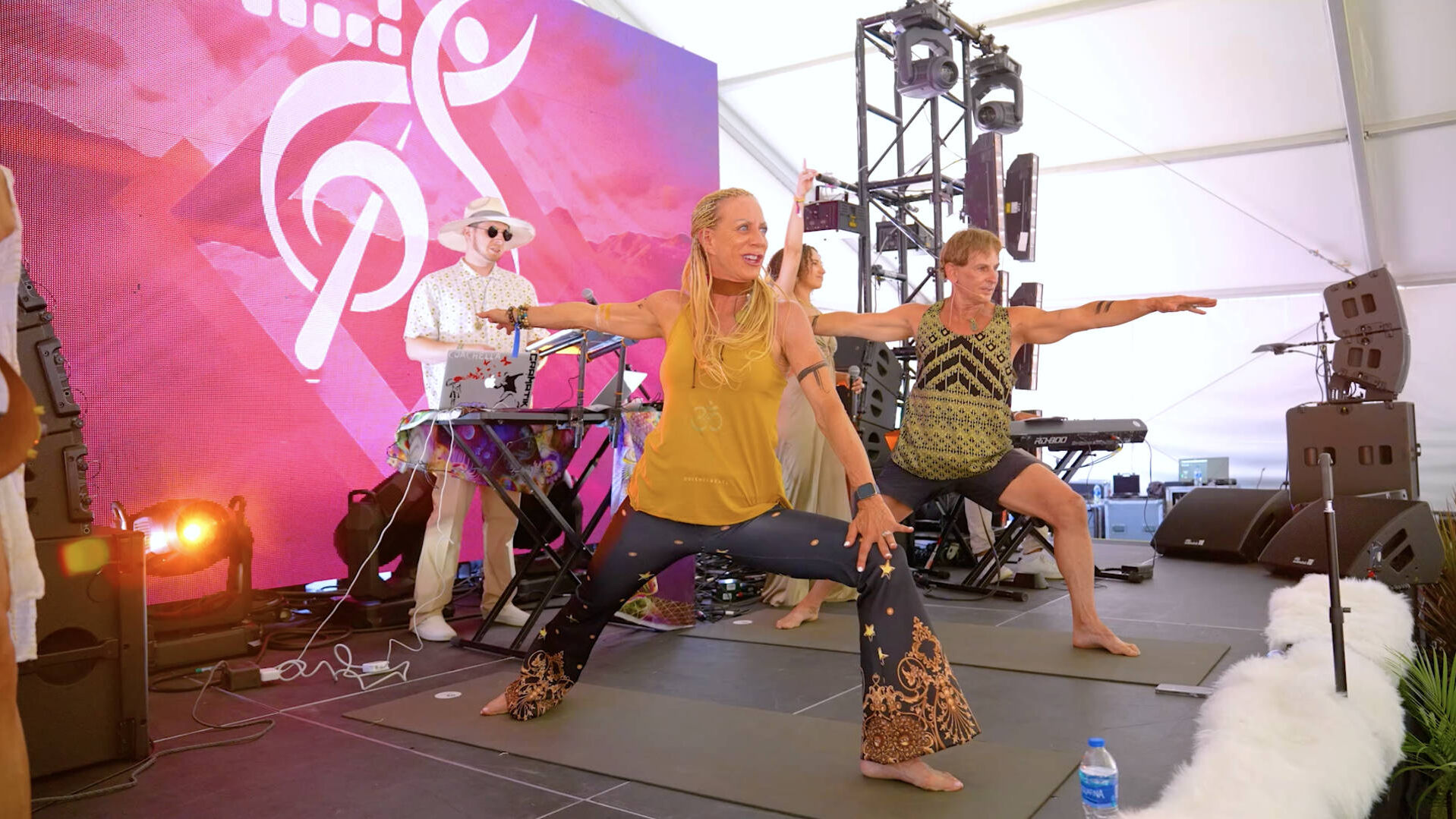
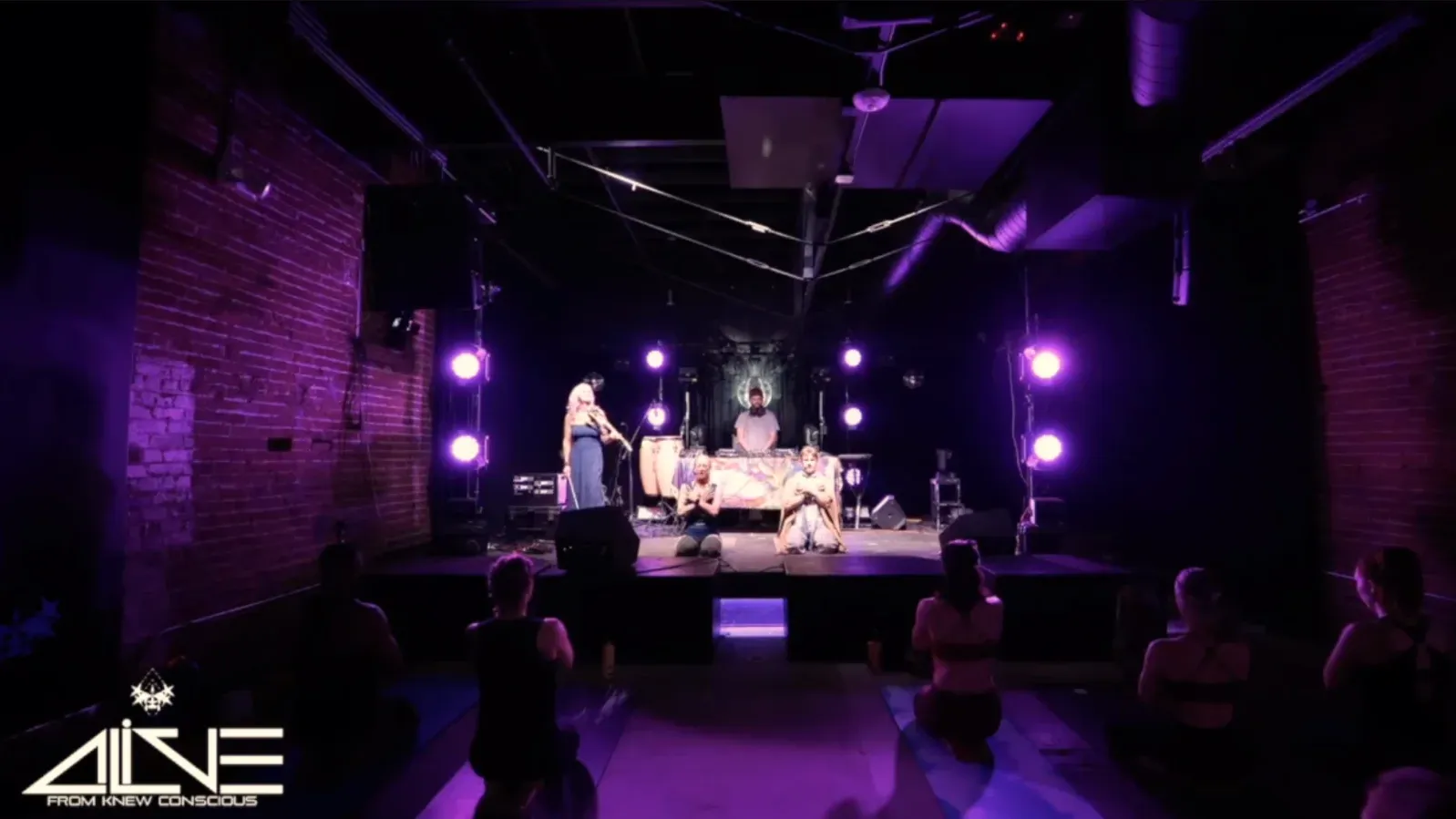
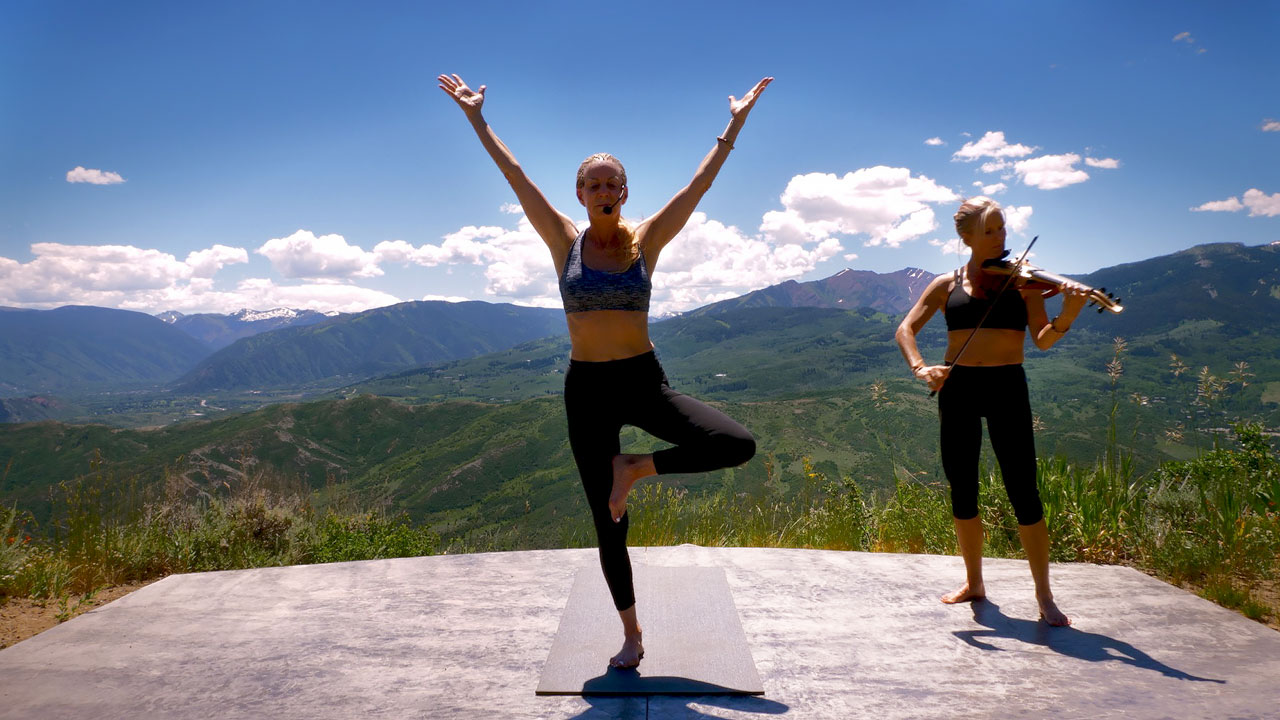
This kind of training often includes ritual, reflection, and community, not as extras but as part of the learning itself. For students who crave creativity and connection, a program that incorporates music, rhythm, and emotional resonance can make the teachings land in the body more fully. That is part of why so many modern practitioners seek spaces like Drishti Beats, where certification and soulful immersion are not treated as separate things.
Transformation is not always dramatic. Sometimes it looks like clearer boundaries. Sometimes it sounds like a steadier teaching voice. Sometimes it is simply the moment you stop trying to sound like your favorite teacher and begin trusting your own cadence.
What happens after you graduate
Completing a 200-hour training does not mean you need to teach immediately. Some graduates start leading classes right away. Others spend months practicing, observing, assisting, or refining their confidence before stepping to the front of the room.
That is normal. Graduation is a beginning.
If you do want to teach, your first opportunities may come through community classes, studios, gyms, private sessions, online offerings, or wellness spaces outside traditional yoga settings. Your first class does not need to be perfect. It needs to be grounded, safe, and sincere.
And if you discover that the training was more for personal growth than for a public teaching path, that is not a lesser outcome. It is still a meaningful one. Yoga has always been about relationship – to breath, to practice, to truth. Teaching is one expression of that, not the only one.
A final note from this 200 hour yoga teacher training guide
Choose the training that meets both your practical life and your deeper longing. Look for a program that gives you real skill, yes, but also space to remember why you came to yoga in the first place. The right foundation will not ask you to become someone else. It will help you teach, practice, and live with more presence in the rhythm of who you already are.