The moment you start imagining yourself at the front of the room – cueing breath, holding space, guiding students through something that truly shifts them – one question usually follows: do credentials matter? When people ask about the benefits of Yoga Alliance certification, they are often asking something deeper. Will this training help me teach with confidence, build trust, and create a career rooted in purpose rather than guesswork?
The honest answer is yes, with nuance. Yoga Alliance certification is not the only thing that makes someone a grounded, skillful, heart-led teacher. Lineage matters. Practice matters. Lived experience matters. But if you want a widely recognized standard that helps bridge your personal devotion with professional opportunity, certification can be a meaningful step.
Why the benefits of Yoga Alliance certification matter
Yoga is intimate work. Students are not just learning poses. They are bringing in stress, grief, healing, curiosity, and hope. In that kind of space, training matters because it shapes how you teach, how you listen, and how you hold responsibility.
Yoga Alliance certification gives many students and employers a familiar reference point. It signals that your training followed established educational standards in areas like teaching methodology, anatomy, philosophy, ethics, and practicum. That does not guarantee depth on its own, but it gives structure to your path and reassurance to the people you serve.
For aspiring teachers, this can quiet a lot of uncertainty. Instead of piecing together knowledge from random classes and social media clips, you move through a coherent training container. That container often becomes the place where your voice begins to take form.
Credibility that students and studios recognize
One of the clearest benefits is credibility. If you are new to teaching, you may be deeply devoted to your practice but still feel nervous about being seen as a professional. A Yoga Alliance-recognized training can help close that gap.
Studios, wellness brands, retreat organizers, and even private clients often understand what a 200-hour or 300-hour credential means. It gives them a baseline. They know you have spent real time studying beyond the physical shapes of yoga.
That recognition can matter even more online, where people are sorting through countless teachers and offerings. A credential alone will not create trust, but it can help someone pause and say, this person took their training seriously.
A clearer path to teaching opportunities
Many teaching jobs list a registered yoga credential as preferred or required. This is especially true at studios, gyms, corporate wellness programs, resorts, and teacher directories. If you hope to teach in more formal spaces, certification often helps you meet the first threshold.
This does not mean every beautiful teaching career begins in a studio. Some teachers build private practices, community circles, online memberships, or retreat offerings without following a conventional route. Still, having Yoga Alliance certification gives you more freedom to move across settings. It widens the field.
That flexibility matters because your teaching life may evolve. You might begin with weekly public classes, then shift into mentorship, trauma-informed work, festival teaching, continuing education, or destination retreats. Certification can support that unfolding rather than limit it.
Access to liability insurance and professional basics
This is one of the most practical benefits of Yoga Alliance certification, and it is easy to overlook when you are focused on the spiritual side of the journey. Teaching yoga is sacred, but it is also professional work. Once you begin offering classes, the administrative side matters.
Many teachers seek liability insurance to protect themselves when teaching in person or online. Registered credentials can make that process easier. Some insurers specifically look for recognized teacher training backgrounds, and some studios require proof of insurance before bringing you onto the schedule.
There is nothing glamorous about paperwork, but peace of mind is part of sustainable teaching. When your foundation is solid, you have more room to show up with presence and care.
Stronger confidence through structured training
Confidence is not the same as charisma. In yoga teaching, real confidence usually comes from repetition, study, feedback, and the humility to keep learning. A well-designed certification program supports that process.
When training is thorough, you practice sequencing, cueing, observing bodies, adapting for different needs, and understanding the why behind what you teach. You begin to recognize when to lead, when to pause, and when to offer less instead of more.
This kind of confidence feels different from performance. It is steadier. It comes from knowing you have done the work.
For many trainees, the transformation is personal before it is professional. You may enter training because you want to teach, then discover that the deeper gift is finding language for your own values, your own rhythm, and your own relationship to practice.
A deeper relationship with yoga beyond poses
A meaningful teacher training should expand your understanding of yoga far past asana. This is one of the most lasting benefits of certification when the program is well held.
You study philosophy, subtle body teachings, ethics, meditation, pranayama, and the roots of the practice. You begin to see yoga less as a workout and more as a living system for awareness, devotion, discipline, and connection. That shift changes how you teach, but it also changes how you live.
Of course, not all programs offer the same depth. Some are highly fitness-focused. Others create more room for spiritual inquiry, cultural context, and personal integration. This is where discernment matters. The credential is valuable, but the experience inside the training matters just as much.
Community, mentorship, and belonging
Teaching can be deeply relational, yet surprisingly lonely when you try to figure everything out on your own. One of the quieter benefits of Yoga Alliance certification is that it often places you inside a learning community.
In a strong training, you are not just absorbing information. You are practicing with peers, receiving mentorship, reflecting on what yoga means in real life, and learning how to be in conversation with other teachers. That shared process can be profoundly supportive.
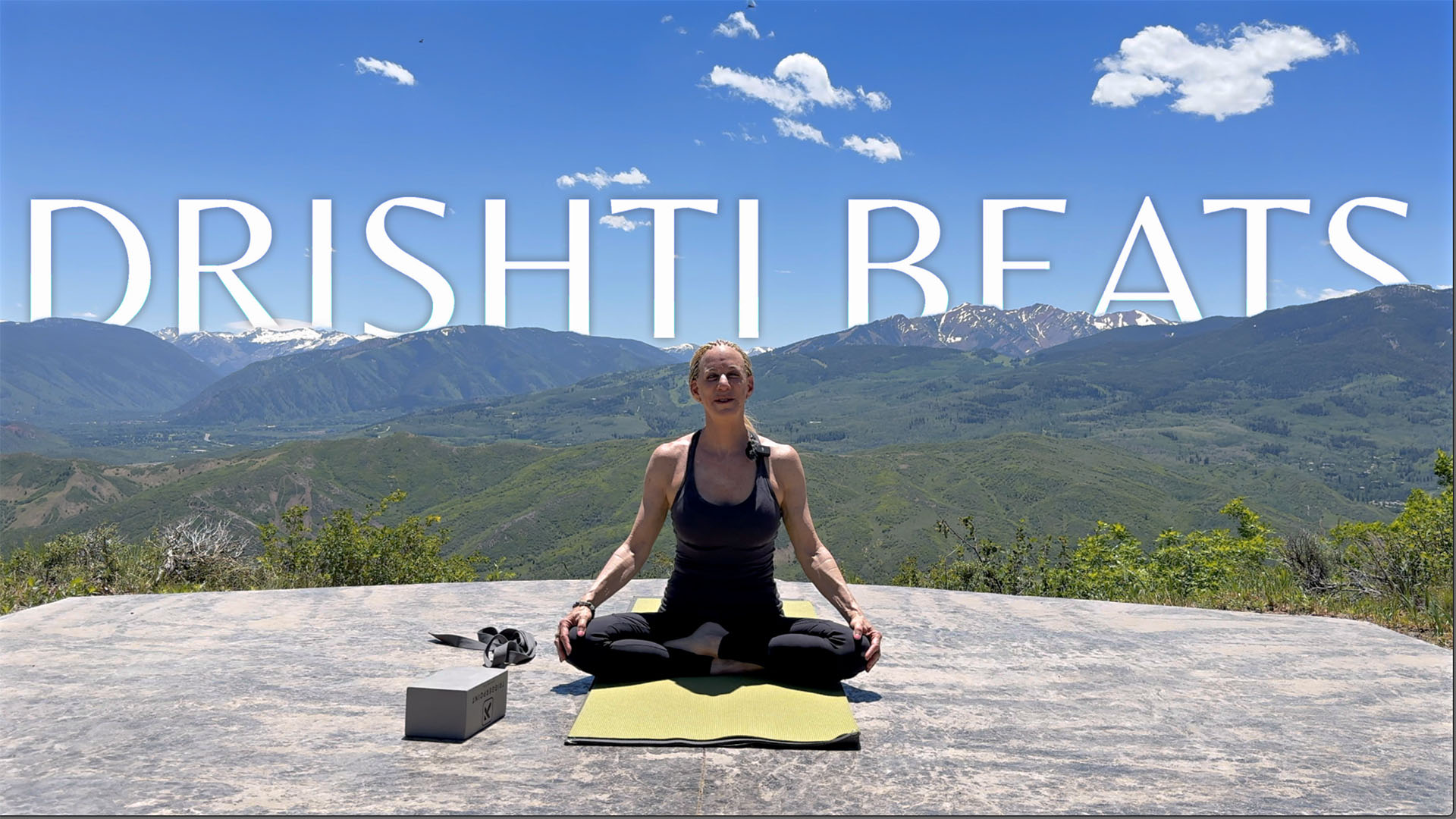
For online students especially, this matters. Flexibility is beautiful, but connection is what keeps the journey human. Programs that combine recognized certification with real mentorship and community can offer the best of both worlds. This is part of why many students are drawn to spaces like Drishti Beats, where training is designed not only to certify teachers, but to nourish voice, creativity, and belonging.
A foundation for continuing education
A 200-hour certification is a beginning, not a finish line. One of the biggest misconceptions in yoga is that a teacher training makes you complete. In truth, it introduces you to how much there is to keep studying.
Yoga Alliance certification helps create a pathway for that ongoing growth. Once you complete your initial training, it becomes easier to pursue advanced study in areas like prenatal yoga, yin, anatomy, philosophy, trauma awareness, sound healing, meditation, or 300-hour training.
This matters because your teaching will mature over time. The classes you lead in year one may feel very different from the offerings you create in year five. Certification gives you a stable base from which your own expression can evolve.
More confidence in online and hybrid teaching
Today, many teachers hold space in more than one format. They may teach at a studio, offer private Zoom sessions, host recorded classes, or lead retreats a few times a year. A recognized certification can support credibility across all of those spaces.
Online teaching asks for more than technical skill. It asks for clarity in language, presence without physical adjustment, and the ability to create connection through a screen. Strong training helps you refine those skills so that your students feel guided, not just instructed.
If your dream includes a flexible lifestyle, digital offerings, or teaching from different places around the world, certification can help anchor that vision in something tangible and trustworthy.
Is Yoga Alliance certification always necessary?
Sometimes yes, sometimes no. That is the real answer.
If you want to teach in established studios, apply for certain jobs, get insurance more easily, or study within a recognized educational track, certification is often worth it. If your path is more private, lineage-based, or community-centered, you may find that lived experience and mentorship carry just as much weight.
The key is not to confuse the credential with the calling. A certificate does not make someone wise, compassionate, or attuned. But when the training is rooted in integrity, it can help you become more skillful in expressing what is already moving through you.
Choosing a program that gives the full benefit
The strongest benefits of Yoga Alliance certification come from choosing a school that offers more than a checkbox education. Look for a program that balances standards with soul, structure with reflection, and professional preparation with genuine transformation.
Ask practical questions. How much mentorship is included? Is philosophy treated as central or optional? Will you actually practice teaching? Is there room for your authentic voice to emerge, or are you being taught to sound like everyone else?
A good training should prepare you to work. A great training should also help you remember why this path called you in the first place.
If certification is on your heart, let it be more than a credential chase. Let it be a devotional step toward teaching with clarity, humility, rhythm, and care. The right training will not hand you a finished identity. It will help you trust the teacher you are becoming.