If you have ever opened ten tabs trying to compare the best yoga teacher training programs online, you already know the real question is not simply Which one is cheapest? It is Which program will actually shape me into the teacher, practitioner, and human I am becoming? Online training has made certification more accessible, but it has also made the choice more personal. The right school should meet your schedule, yes, but it should also meet your spirit.
For many students, that means looking beyond a fast-track certificate. A meaningful training should help you understand yoga as more than poses, support your personal transformation, and give you a grounded teaching voice. That is where online programs begin to separate themselves.
What makes the best yoga teacher training programs online?
The strongest online trainings do not just upload a few lectures and call it education. They create a container for growth. You should be learning alignment, anatomy, sequencing, philosophy, ethics, cueing, and teaching methodology in a way that feels clear and embodied. At the same time, the program should leave room for reflection, practice, and integration.
A good first filter is accreditation. If becoming a registered teacher matters to you, make sure the school is Yoga Alliance certified and that the training qualifies for the credential you want. This is foundational, but it is not the whole story. A Yoga Alliance badge tells you the program meets certain standards. It does not tell you whether the teachers are present, whether the curriculum has heart, or whether you will feel connected while learning.
Support matters just as much as syllabus. Some students thrive in fully self-paced structures because they need freedom around work, parenting, or travel. Others need live calls, feedback, mentorship, or peer community to stay engaged. Neither approach is better across the board. It depends on how you learn, how disciplined your schedule is, and whether you want a solitary study experience or something more relational.
How to evaluate online yoga training without getting lost
Start with the level of training you need. If you are brand new to teaching, a 200-hour program is the classic foundation. If you are already certified and ready to deepen your knowledge, a 300-hour training may be the next step. If your goal is a full advanced path, look at whether the school offers a clear bridge toward 500 hours. Choosing a school that can support your growth over time often creates more continuity than hopping between unrelated programs.
Then look closely at the teaching style. Some online schools are highly technical and anatomy-forward. Some are rooted in lineage, spirituality, and philosophy. Others feel closer to fitness education than traditional yoga study. Most people do best when they choose a program that reflects both how they want to teach and how they want to live. If your practice is devotional, creative, and inwardly focused, a purely mechanical training may feel flat. If you want a strong biomechanical base, an overly abstract program may leave gaps.
Another important question is how the school handles practice teaching. Great teachers are not made by watching modules alone. You need chances to teach, receive feedback, revise, and teach again. That process can happen online beautifully, but it has to be designed with care.
12 qualities to look for in the best yoga teacher training programs online
The most trusted programs tend to share a few qualities. They offer recognized certification, experienced lead faculty, and a curriculum that balances modern teaching skills with the roots of yoga. They also make space for student support, whether through mentorship, live sessions, community groups, or direct feedback.
You should also pay attention to pacing. Some schools promise a very fast finish, which can be helpful if you are motivated and already immersed in practice. But speed is not always depth. If a program feels rushed, you may complete the hours without truly integrating the teachings. The best yoga teacher training programs online respect the difference between consuming content and becoming a teacher.
Clarity around cost is another sign of integrity. Look for transparent tuition, a clear breakdown of what is included, and an honest explanation of any extra fees for manuals, assessments, or certification processing. A lower sticker price is not always the better value if support is minimal or essential learning tools cost more later.
Different types of online programs and who they serve
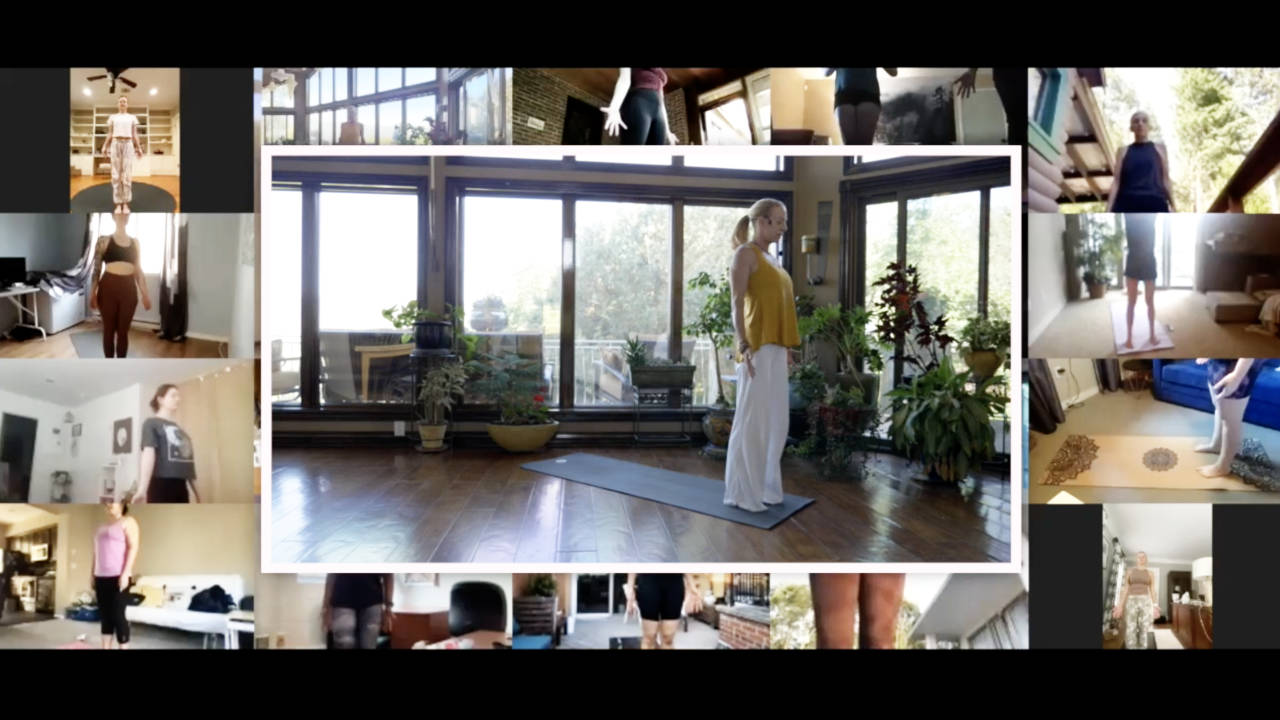
Not every student is looking for the same experience, and that is a good thing. Some programs are ideal for aspiring teachers who want a steady, structured path with live accountability. These are often a strong fit if you know you need rhythm and connection to stay committed.
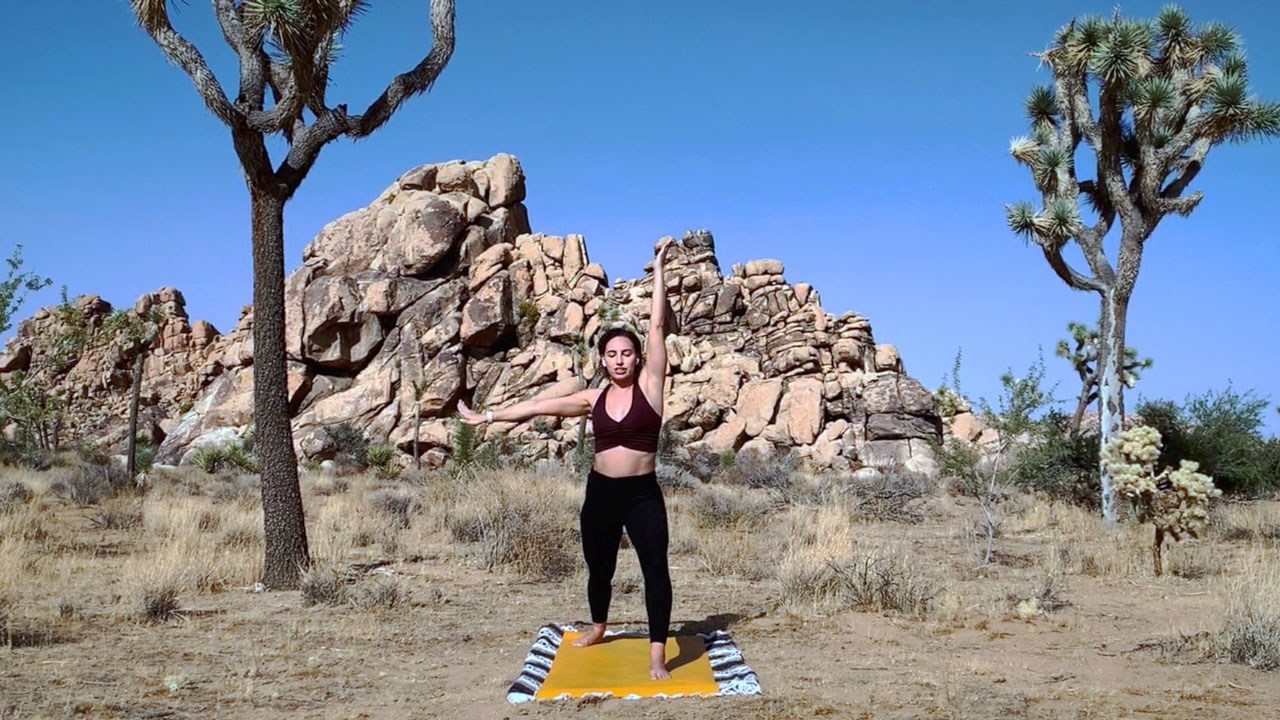
Other programs are built for independent learners who want to move at their own pace. This can be a beautiful option for people balancing full lives, especially if the content is well organized and available for long-term access. The trade-off is that self-paced learning asks more from your own discipline.
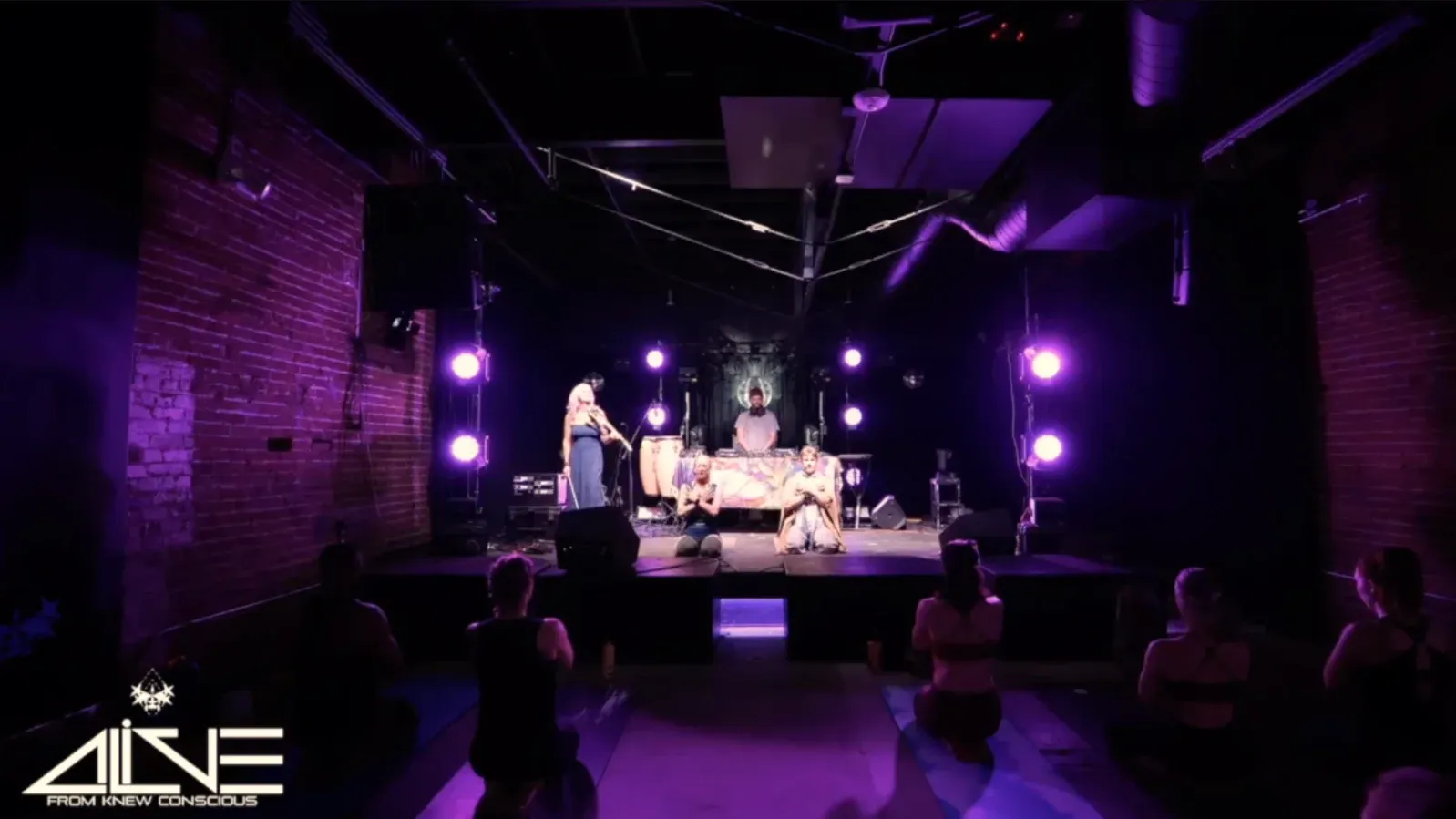
Then there are programs that offer something deeper than certification alone. These schools treat teacher training as a personal and spiritual journey. They may include meditation, mantra, subtle body study, journaling, or community ritual. For students who do not want yoga reduced to exercise instruction, this kind of training often feels far more nourishing.
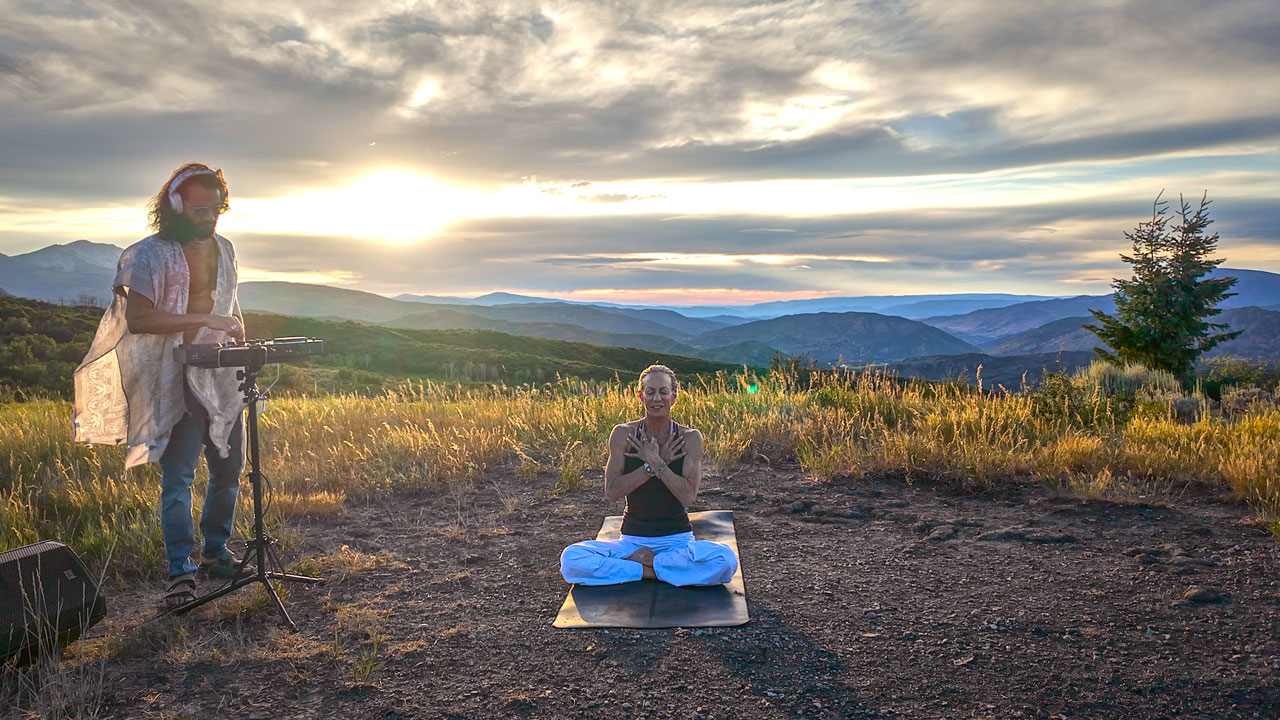
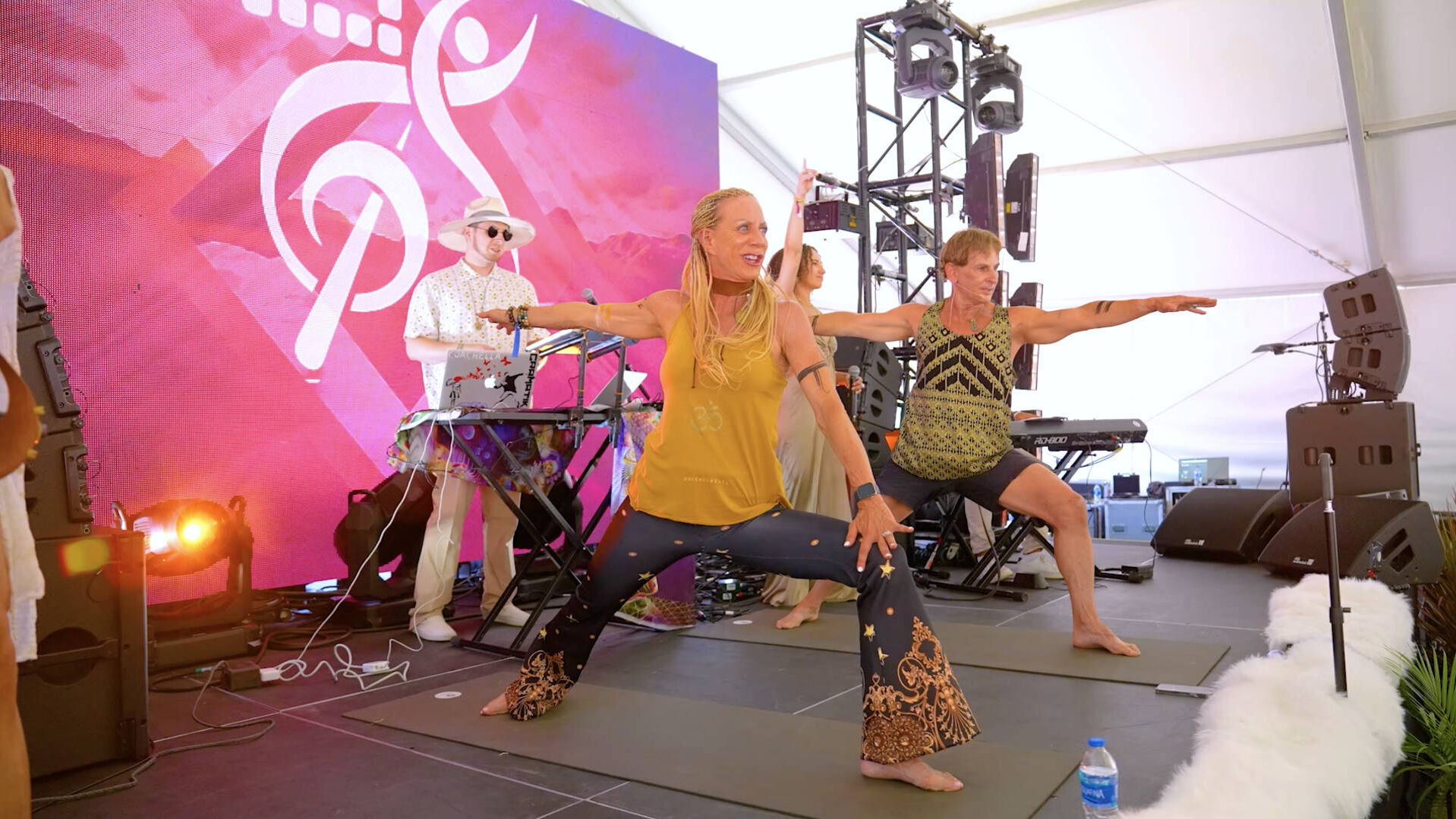
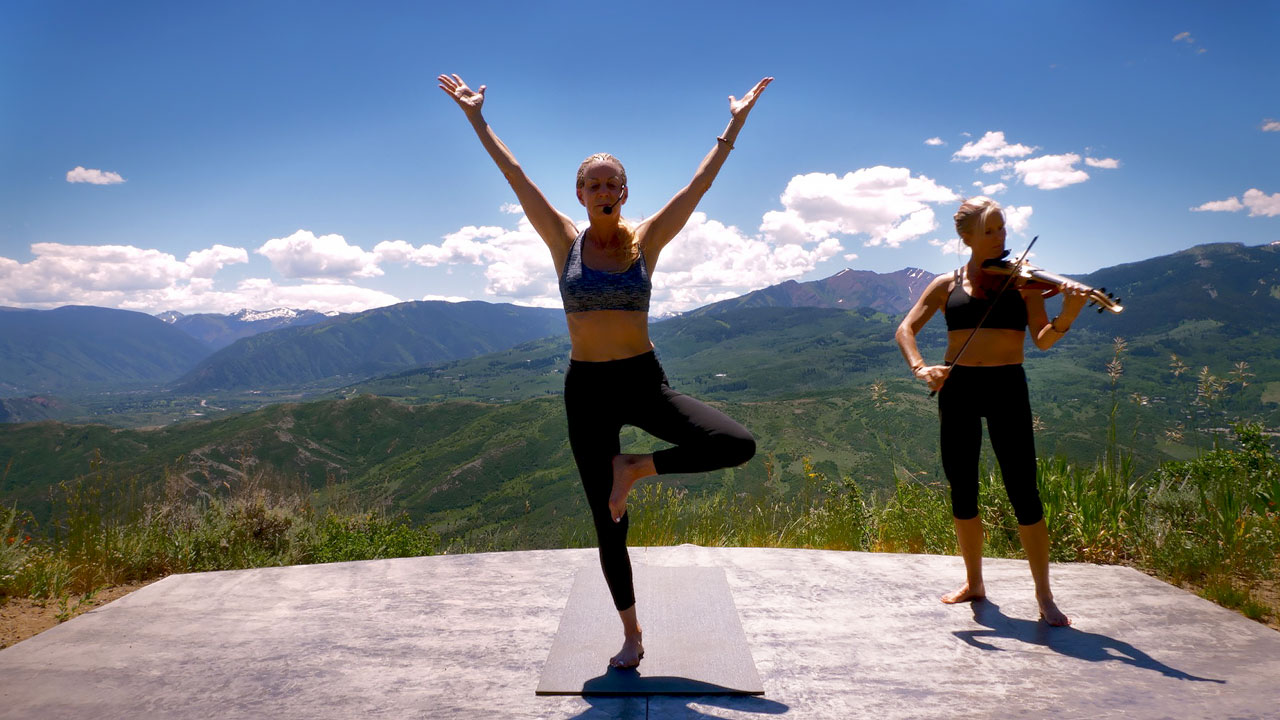
There are also creatively led schools that weave in music, rhythm, or artistic expression as part of embodied learning. That approach is not for everyone, but for some students it becomes the missing piece. It can help teachings land not only in the mind, but in the body and heart.
Red flags to watch for when comparing programs
If a school is vague about accreditation, teacher credentials, curriculum hours, or support, pause there. The same goes for websites that focus heavily on sales language but say very little about what you will actually study. You deserve specifics.
Be cautious with programs that promise you will be fully ready to teach after racing through content with little feedback. Confidence as a teacher grows through repetition, reflection, and mentorship. No serious training should pretend otherwise.
It is also worth noticing whether the school speaks about yoga with respect. A thoughtful program acknowledges lineage, ethics, and the responsibility of teaching. If the language sounds purely transactional or image-driven, that can tell you a lot about the learning environment.
Finding the right fit for your life and purpose
The best program for you is not necessarily the one with the loudest marketing or the biggest library. It is the one that meets you where you are while calling you forward. Maybe you need a school that helps you build confidence from the ground up. Maybe you are already teaching and want to refine your voice, deepen your philosophy, and reconnect with why you started. Maybe you want a path that honors both professional standards and spiritual depth.
This is where fit becomes sacred. When a program is aligned, you feel it. The curriculum makes sense. The teachers feel trustworthy. The pace supports your nervous system rather than overwhelming it. The community feels welcoming rather than competitive. And the teaching style helps you become more yourself, not a copy of someone else.
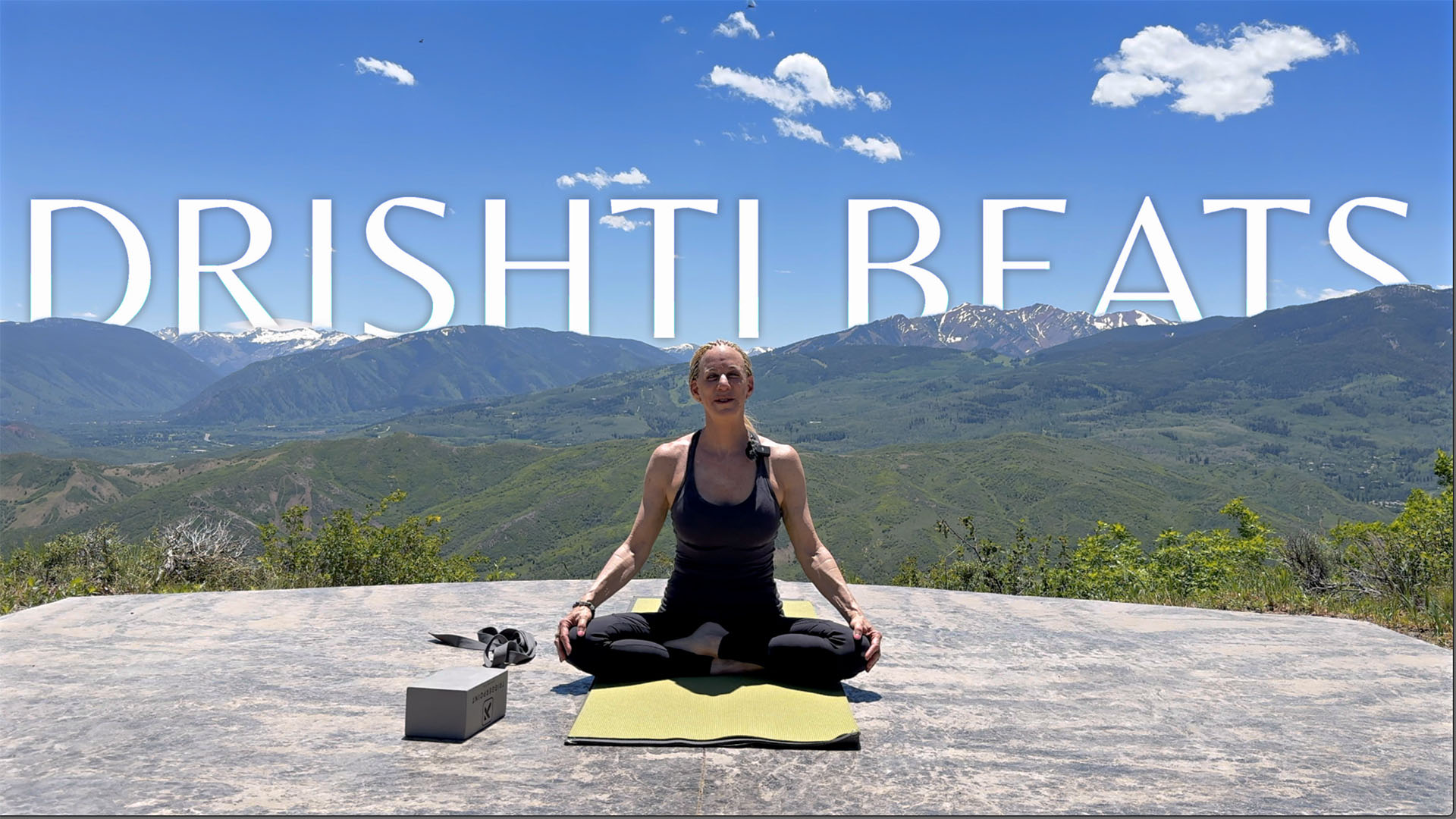
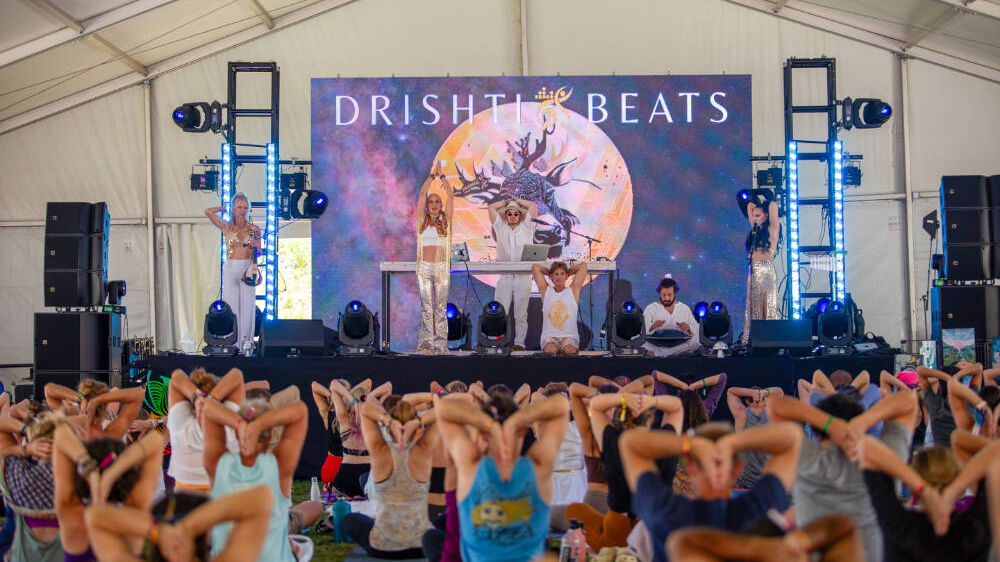
For students who want that kind of experience, Drishti Beats reflects a compelling model of what online training can be – Yoga Alliance certification paired with flexibility, depth, music, and genuine transformation. That combination matters because many modern students are not only searching for credentials. They are searching for belonging, purpose, and a way to teach from an honest place.
Best yoga teacher training programs online for long-term growth
One of the most overlooked questions is not Can I finish this program? but Can I grow with this school? If you think you may want continuing education, advanced certification, retreats, or a supportive community beyond graduation, look at the bigger ecosystem. A school that offers a full pathway can support your evolution without asking you to start over each time you are ready for more.
That long view is especially valuable in yoga, where teaching matures with practice. Your first training gives you a foundation. What comes after shapes your refinement, confidence, and staying power. A program that understands this will not treat graduation as the end of the relationship.
The search for the best yoga teacher training programs online is really a search for resonance. Yes, compare hours, accreditation, format, and price. But also listen for the quieter truths. Does this school honor the roots of yoga? Does it support the way I learn? Does it invite me into deeper presence, not just better performance? When those answers line up, your training becomes more than a credential. It becomes a turning point.
Choose the program that helps you hear your own inner teacher more clearly, then trust what begins to unfold from there.