You can feel it when a training is not meant for you. The curriculum may look polished, the photos may be beautiful, and the certification may check the right boxes, yet something in your body says no. That is why learning how to choose yoga teacher training is not just about comparing hours and price points. It is about recognizing what kind of space will truly support your growth as a student, a future teacher, and a human being.
Some people begin the search because they want to teach. Others feel called to deepen their practice, heal old patterns, or reconnect with purpose. Both reasons are valid. A strong training meets you where you are, but it should also stretch you in the right ways.
How to choose yoga teacher training starts with your why
Before you compare schools, start with a more intimate question: why are you drawn to training now? If your answer is mostly practical, that matters. Maybe you want a Yoga Alliance credential, flexible work, or a clear next step in your career. If your answer is more personal, that matters too. Maybe yoga has changed your life and you want to understand it beyond poses.
Your reason will shape what kind of program is best. If you want to begin teaching soon, you may need a training with a strong focus on sequencing, cueing, anatomy, and practicum. If you are seeking transformation first, you may want a program that gives equal weight to philosophy, meditation, self-inquiry, and spiritual practice. The strongest programs do both, but usually one emphasis is more visible than the other.
This is where many people get stuck. They assume the most intense or expensive training must be the best. Not always. The right choice is the one that aligns with your season of life and the kind of teacher you are becoming.
Look beyond certification
A Yoga Alliance-approved training can be valuable, especially if you want professional credibility and a recognized standard. But certification alone does not tell you what the experience will feel like. Two 200-hour programs can have the same designation and offer completely different levels of depth, support, and integrity.
Look closely at what is actually being taught. Does the curriculum include yoga philosophy in a meaningful way, or is it treated like a side note? Is anatomy practical and accessible, or so clinical that it feels disconnected from embodied practice? Are students given space to find their own teaching voice, or trained to copy one style and one script?
The best training programs do more than prepare you to lead a class. They help you understand why yoga matters, how to teach responsibly, and how to stay in relationship with the roots of the practice. That kind of education tends to stay with you long after graduation.
Choose the learning format that supports your life
One of the biggest decisions is whether you want online, in-person, or hybrid training. There is no universally superior format. It depends on how you learn, how you live, and what kind of support you need.
Online training offers freedom. You can study from home, move at your own pace, and integrate the material into real life instead of stepping away from everything to complete it. For people balancing work, caregiving, travel, or limited local options, that flexibility can be the difference between dreaming about training and actually doing it.
In-person training offers immersion. You are physically in the room, receiving immediate feedback and building connection face to face. For some students, that structure is deeply supportive. For others, it can feel financially and logistically out of reach.
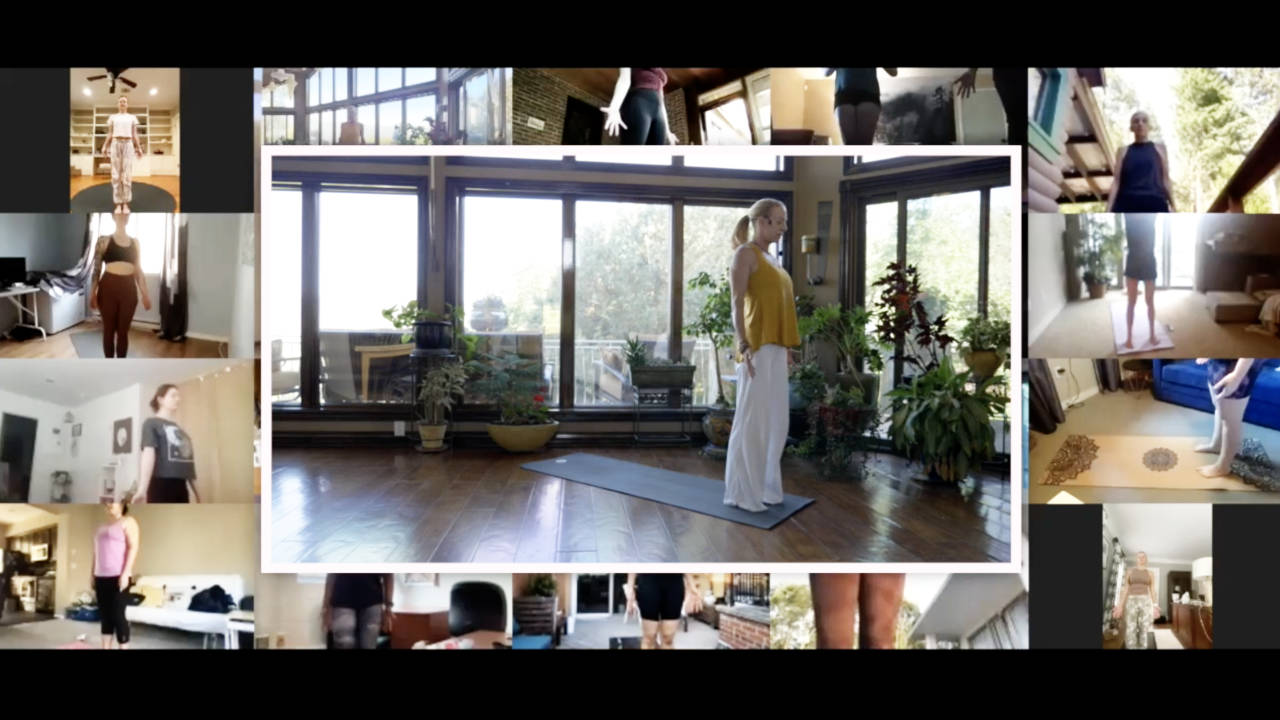
Hybrid programs can bridge both worlds, but only if they are designed thoughtfully. A rushed online portal plus a few live calls is not the same as a fully held learning journey. If you are considering digital study, ask how community is nurtured, how feedback is given, and whether you will feel seen as you move through the program.
Pay attention to the teaching lineage and values
Not every yoga school approaches the practice from the same place. Some are heavily fitness-based. Some are rooted in spiritual tradition. Some emphasize alignment precision. Others center trauma awareness, accessibility, creativity, or energetic work.
None of these approaches are wrong on their own. But they are not interchangeable. If you care about yoga as a whole-life practice, a training that focuses mostly on choreography may leave you undernourished. If you want to teach in gyms and studios right away, a highly esoteric program without practical teaching tools may feel hard to translate.
Read the language the school uses. Notice what it honors. Notice what it avoids. You are not just choosing content. You are choosing a worldview, a community, and a learning environment that will shape your relationship with yoga.
For many students, it also matters whether the training feels alive and human. A program can be rigorous and still feel devotional. It can be professional and still leave room for creativity, rhythm, emotion, and inner listening. If that blend matters to you, trust that instinct.
The right teachers matter more than a polished sales page
A training is only as grounded as the people leading it. Spend time learning who the faculty are. What is their experience? How do they speak about yoga? Do they come across as embodied and generous, or performative and vague?
Look for teachers who can hold both authority and humility. You want guides who know their material, respect the tradition, and also understand that students learn in different ways. Great teachers do not just deliver information. They create safety, ask thoughtful questions, and help students integrate what they are learning.
It can also help to notice whether the faculty reflect a range of strengths. One teacher may be especially strong in anatomy, another in philosophy, another in the art of teaching. That kind of balance often creates a fuller education than a program built around one charismatic personality.
Consider the pace, support, and emotional reality
Yoga teacher training can be beautiful. It can also be demanding. It asks for time, honesty, practice, and often a surprising amount of emotional energy. This is why pacing matters.
An accelerated format may work well if you thrive in immersion and can clear your schedule. A self-paced format may be better if you want time to absorb, reflect, and practice teaching without rushing. Neither is automatically deeper. What matters is whether the structure helps you stay engaged.
Support is just as important. Ask yourself what happens when students have questions, feel overwhelmed, or need feedback on teaching. Is there mentorship? Are there live calls, discussion spaces, or faculty access? A training can be spiritually beautiful on paper and still feel lonely if the student experience is too hands-off.
A strong online school understands this and builds connection intentionally. That is often where the difference lives – not in the platform itself, but in whether you feel accompanied.
Price matters, but value matters more
Budget is real, and it should be part of your decision. A high price does not guarantee quality, and a lower price is not always a red flag. Still, it helps to ask what the tuition actually includes.
Some programs offer live mentorship, extensive curriculum, practice teaching feedback, and long-term access to materials. Others charge less but leave students with minimal support. Some in-person trainings seem affordable until you add travel, lodging, meals, and lost work time.
Try to think beyond the first payment. What are you receiving in return for your investment? If a program helps you build confidence, teach skillfully, and deepen your own life practice, that value can extend far beyond the certification itself.
How to choose yoga teacher training with intuition and discernment
There is a practical side to this decision, and there is also a quieter layer. Once you have reviewed the curriculum, faculty, format, and cost, pause. Notice your body. Notice whether the training creates contraction or clarity.
This does not mean choosing based on branding alone or following a fantasy. It means letting discernment include both intellect and intuition. A grounded yes often feels steady, not frantic. You do not need to force yourself into a program because it looks impressive from the outside.
The right training should challenge you, but it should also feel like a place where your voice can emerge. It should offer structure without shrinking you. It should deepen your understanding of yoga while bringing you closer to your own rhythm, purpose, and truth.
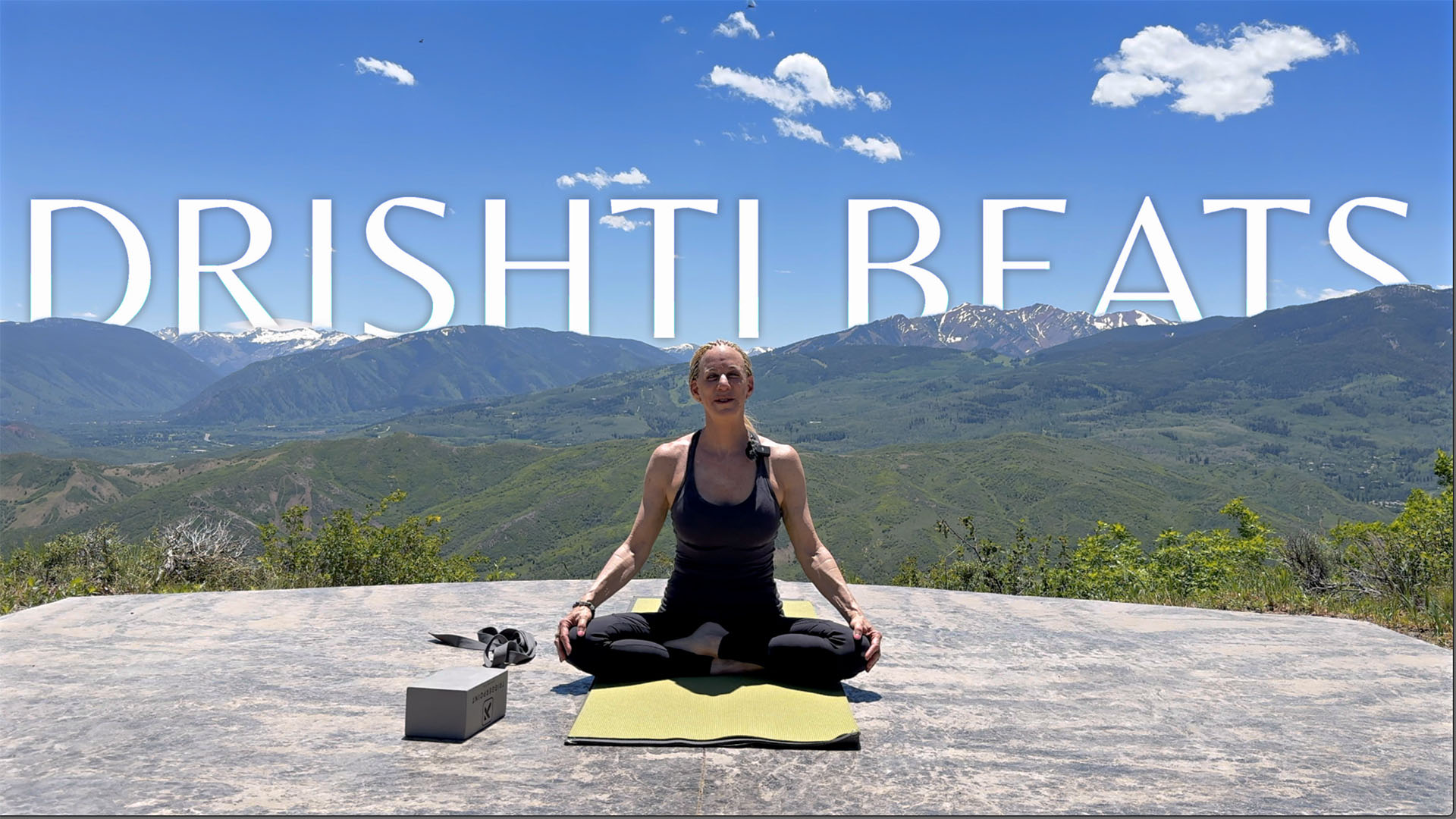
If you are looking for a path that blends recognized certification with spiritual depth, flexible online study, and a more creative, heart-centered experience, that is exactly why some students feel at home with Drishti Beats.
Take your time. Ask better questions than, “Will this make me a teacher fast?” Ask, “Will this help me become the kind of teacher I want to be?” The answer to that question tends to lead somewhere real.