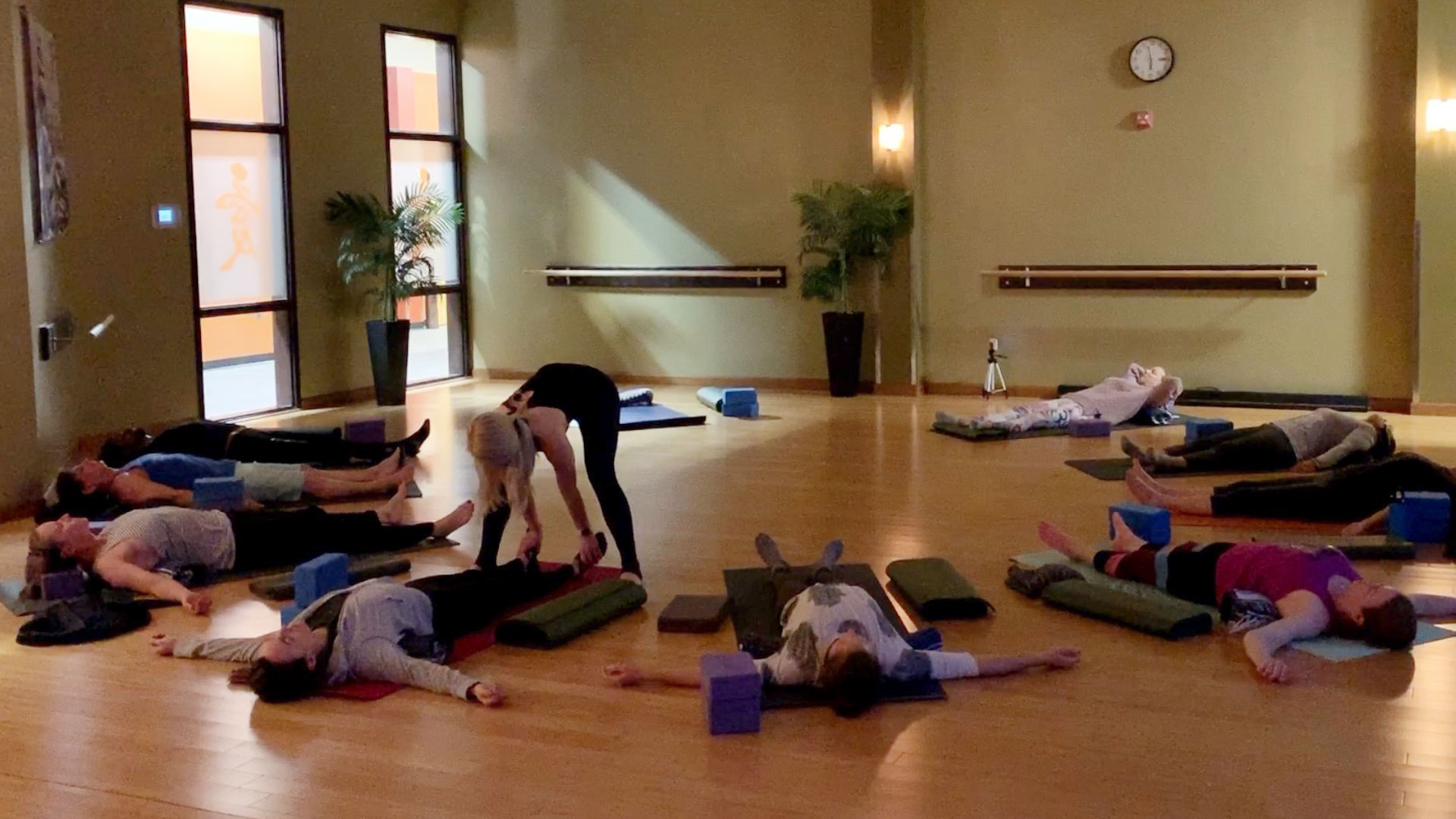
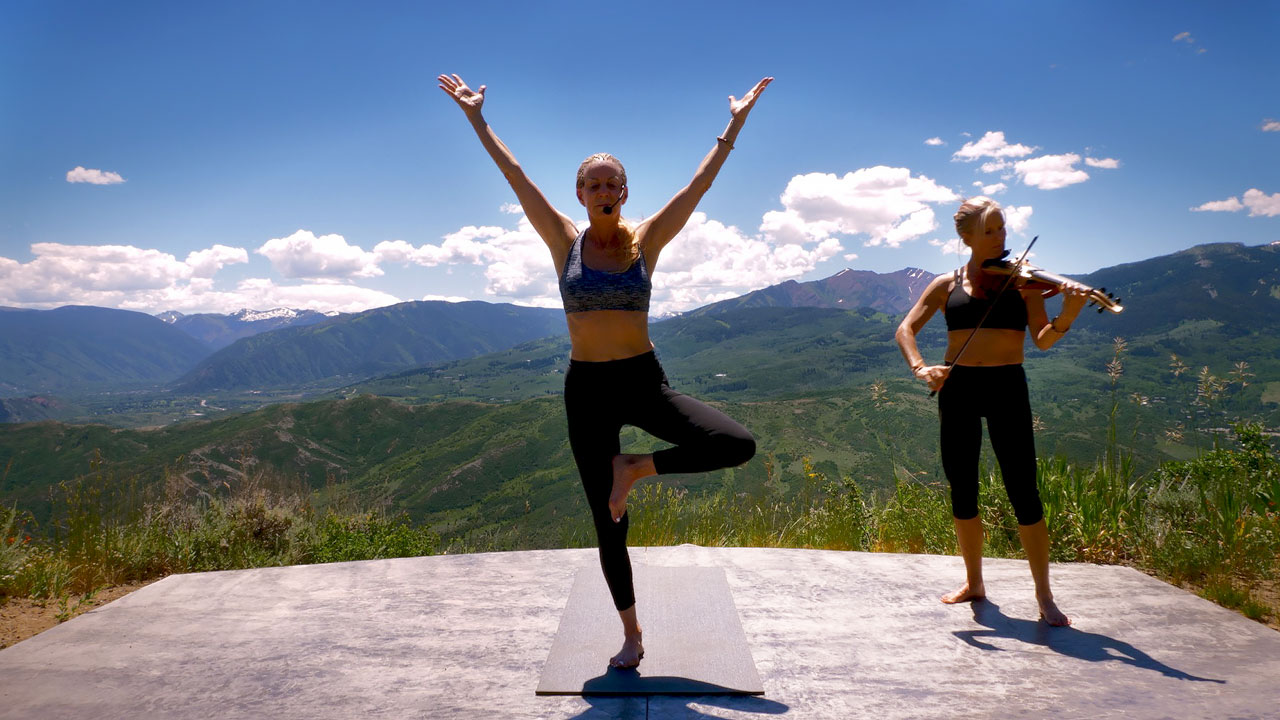
The moment you say yes to teacher training, something starts shifting. You may still be comparing programs, checking your calendar, or wondering if you are ready, but part of you already knows this path is calling. If you are asking how to prepare for yoga teacher training, the most honest answer is this: prepare your life, your practice, and your heart.
Teacher training is not only about memorizing poses or learning how to sequence a class. It asks for presence. It asks for curiosity. It asks you to meet yourself more fully than you might in a weekly studio class. The good news is that you do not need to arrive perfectly flexible, deeply scholarly, or endlessly confident. You simply need to arrive willing.
How to prepare for yoga teacher training before day one
A strong beginning starts with clear expectations. Many students enter training thinking it will feel like an intensified version of public classes. Some of it will feel familiar, but much of it will not. You will study philosophy, anatomy, ethics, breath, meditation, and teaching methodology. You will likely practice speaking in front of others, receive feedback, and move through moments of inspiration alongside moments of vulnerability.
That is why one of the best ways to prepare is to release the idea that you need to already be a teacher before training begins. You are there to learn, not perform. If you put down the pressure to impress, you create more room for real transformation.
It also helps to get honest about why you are enrolling. Some people want certification and a clear professional path. Others want to deepen a personal practice, reconnect with purpose, or move through a life transition with more intention. Often it is a blend of all three. Your reason does not have to sound impressive. It just needs to feel true.
Build a steady personal practice
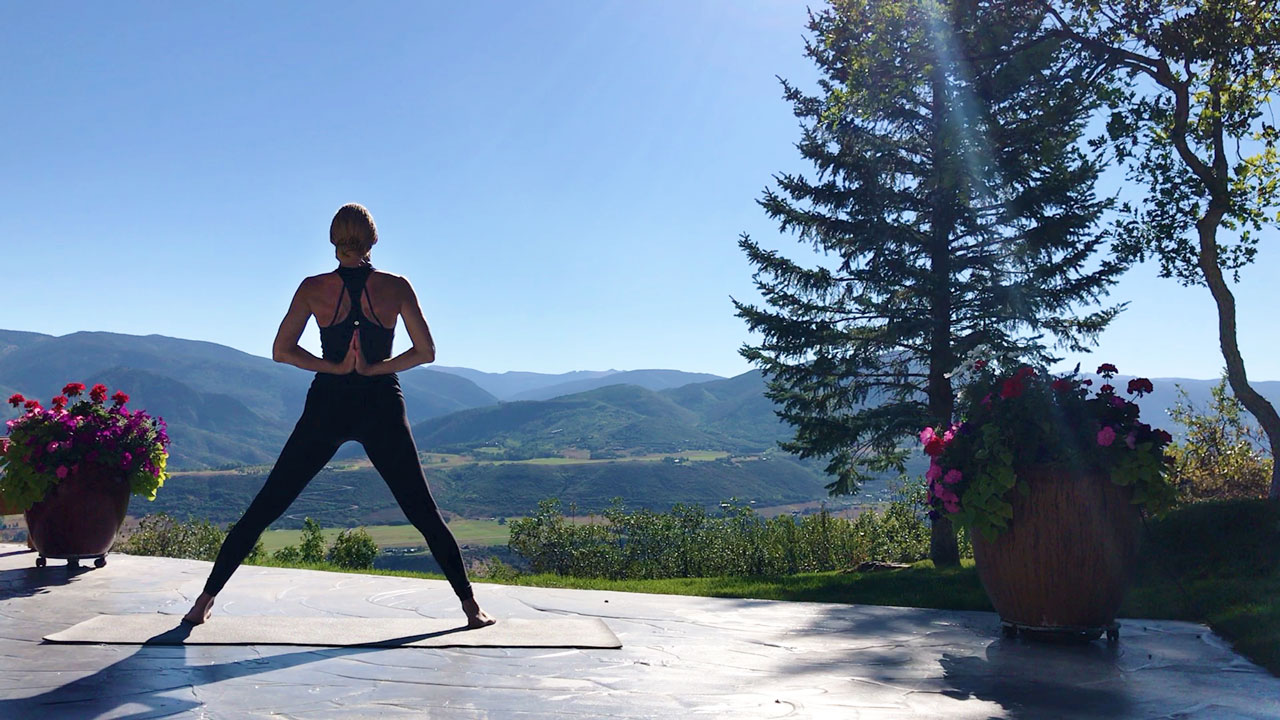
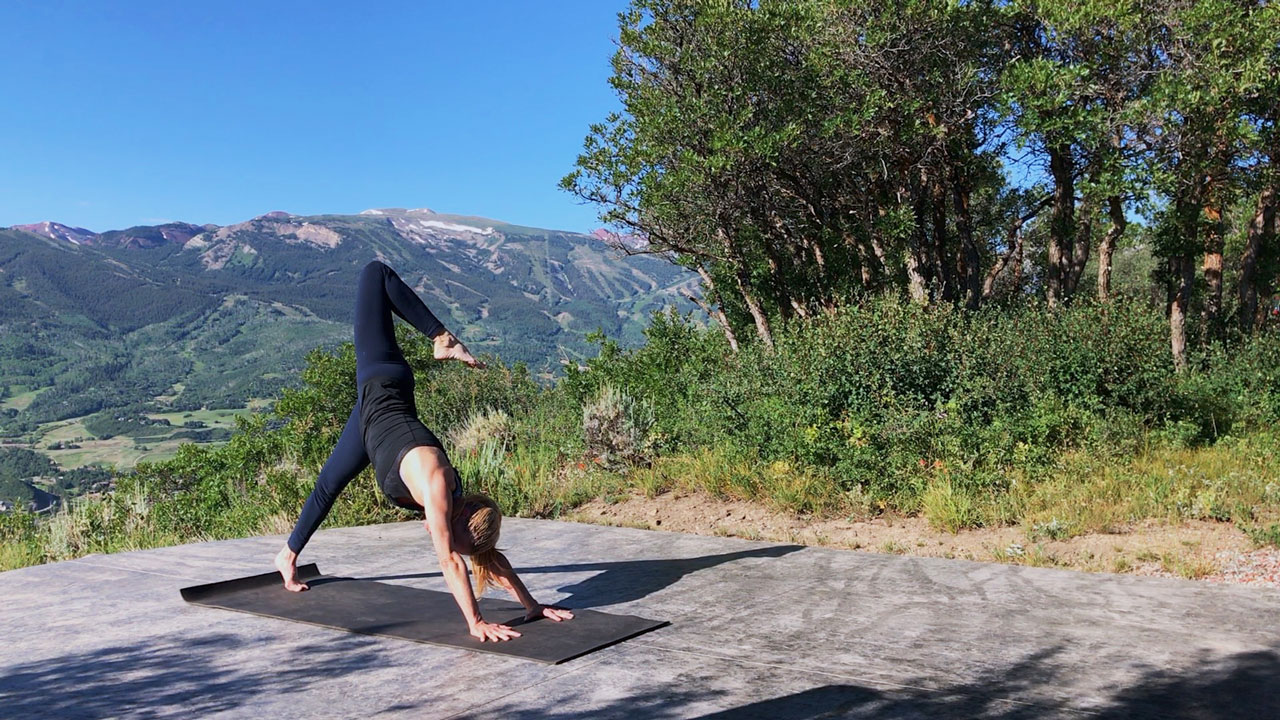
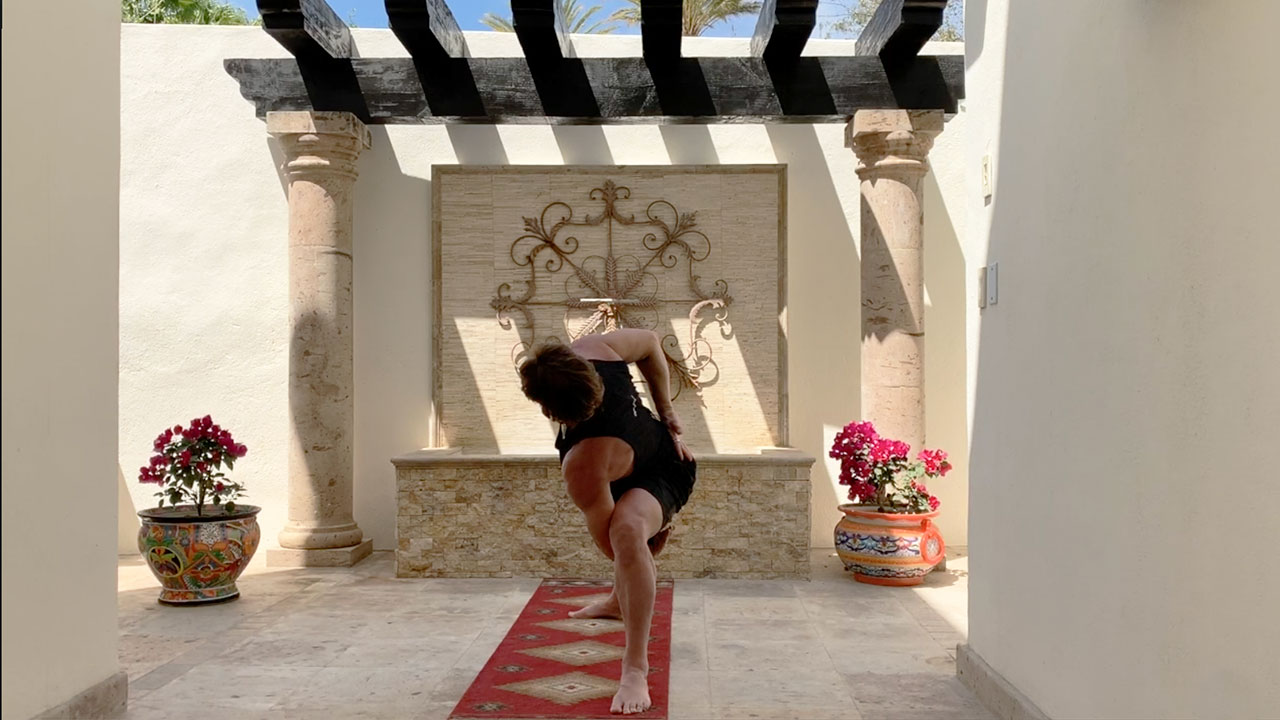
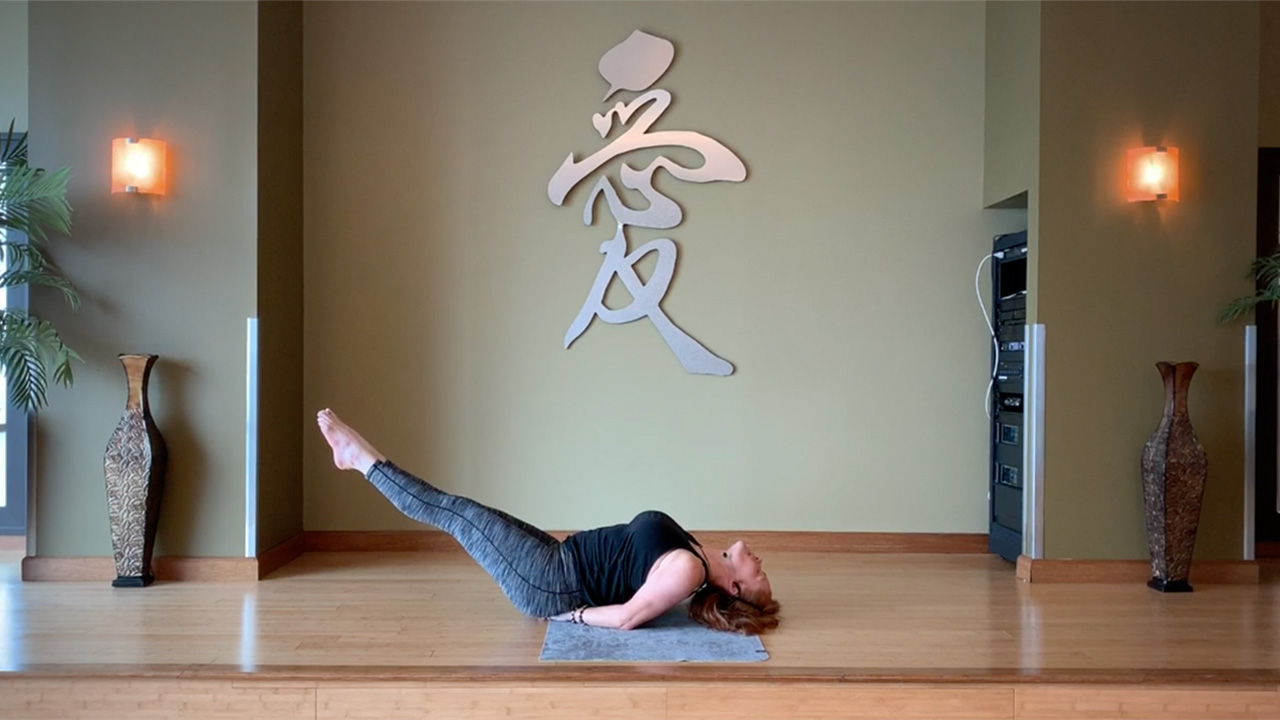
Before training starts, spend time with your own practice in a consistent way. This does not mean pushing into advanced shapes or practicing for two hours a day. Consistency matters more than intensity.
A regular rhythm of asana, breathwork, and stillness will give you a foundation to stand on when training becomes full. Even 20 to 30 minutes a day can change how grounded you feel. If you already practice often, use this season to become more attentive. Notice your habits. Notice where you rush. Notice what your body is asking for when no one else is leading.
This kind of self-study matters because teacher training is not only about what yoga looks like. It is about what yoga reveals.
If movement is the only part of yoga you have explored, start widening the lens. Sit for a few minutes in meditation. Practice simple pranayama. Read a passage from a yogic text and reflect on it. These quiet practices can feel unfamiliar at first, but they help you meet training with more depth.
Strengthen your body without treating training like a fitness challenge
It is helpful to support your physical body before training begins, especially if your program includes long practice sessions, extended seated learning, or many teaching hours. But this is where balance matters.
Preparing physically does not mean forcing yourself into peak performance mode. In fact, overtraining right before a program can leave you depleted. Instead, focus on sustainable strength, mobility, rest, hydration, and sleep. If certain areas of your body tend to get tight or fatigued, give them extra care now.
This is also a good time to work with any injuries or limitations honestly. You do not need a perfect body to begin training. You do need self-awareness. Knowing how to modify, pause, and advocate for yourself is part of becoming a safe and skillful teacher.
Create space in your schedule
One of the most overlooked parts of how to prepare for yoga teacher training is practical life design. Even flexible online programs require real time and attention. If you treat training like something you will squeeze in around everything else, it may start to feel heavy very quickly.
Look at your calendar before you begin. Where can you create breathing room. What responsibilities can be simplified. Which commitments are essential, and which ones can wait. If you have family, work, or caregiving obligations, communicate early about what this season will require from you.
This does not mean your life has to become empty for training to work. Most students are balancing a lot. But even a few protected hours each week can make the experience feel more spacious and less reactive.
It helps to think in rhythms rather than perfection. Maybe you study on two weeknights and one weekend morning. Maybe your practice happens before work, and your reading happens at lunch. A realistic plan is far more supportive than an ideal one you cannot sustain.
Gather a few core study tools
You do not need a library of props, stacks of expensive books, or a perfect home setup. Still, a few simple tools can support your focus.
A journal is one of the most valuable things to have. Training often brings insight quickly, and writing helps you track what is landing in your body, mind, and spirit. You may also want a notebook just for class notes, especially if you like keeping practical information separate from reflection.
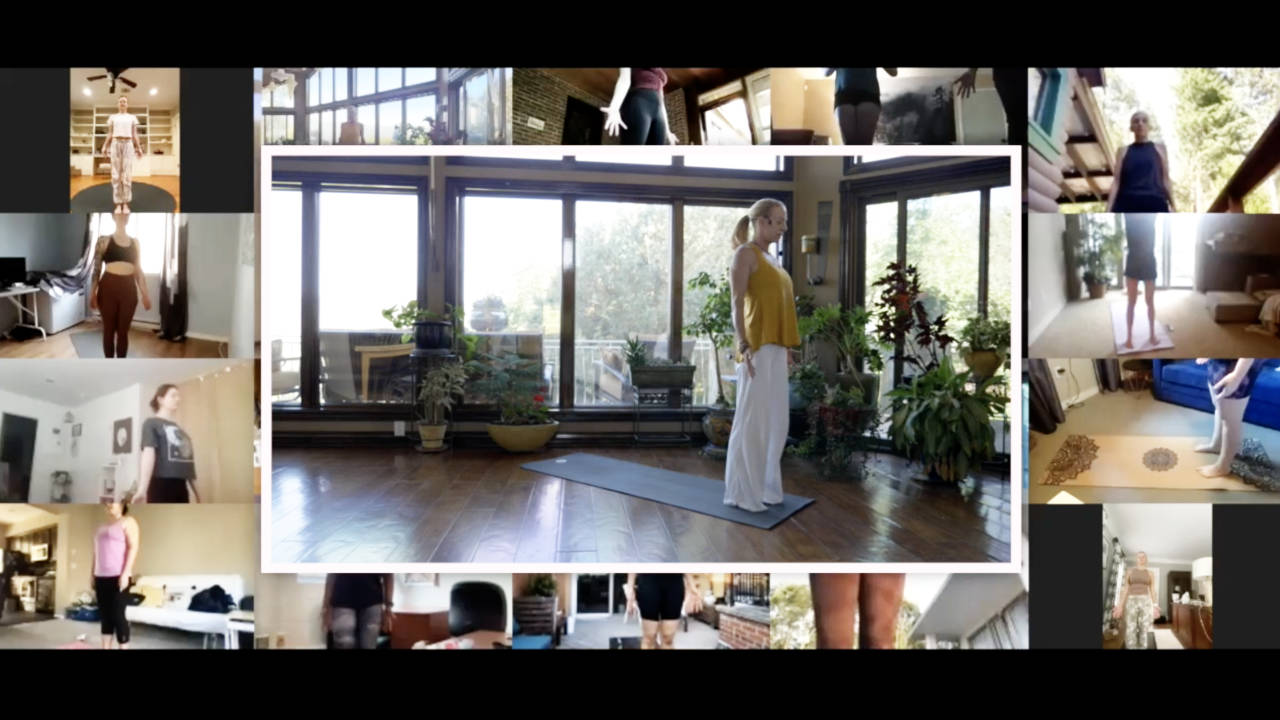
A stable place to practice and study matters too. It does not have to be large or photogenic. It just needs to feel intentional. A mat, a cushion or blanket, and a quiet corner can be enough. If your training is online, test your technology ahead of time so you are not troubleshooting every time you try to learn.
As for reading, follow your program’s guidance. If you want to start early, choose foundational material rather than trying to absorb everything at once. A little sincere study goes further than frantic overpreparation.
Prepare emotionally for being seen
This is the part many students do not expect. Teacher training can be deeply affirming, but it can also stir up self-doubt. You may hear your own voice shake the first time you guide a room. You may compare yourself to students with more years of practice. You may wonder whether your story, your body, or your teaching style belongs.
It does.
Still, belonging does not always feel instant. That is why emotional preparation matters. Notice the inner narratives you carry before training starts. Do you tend to shut down when corrected. Do you apologize before taking up space. Do you think teaching requires sounding like someone else.
Awareness of these patterns is powerful. It helps you meet feedback without collapsing under it. It helps you remember that growth can be tender without meaning you are failing.
A heart-centered training should support your evolution, not ask you to erase yourself. The real work is learning how to refine your skills while staying connected to your own voice.
How to prepare for yoga teacher training as a future teacher
Even if you are joining for personal growth, it helps to start observing classes through the eyes of a teacher. When you practice, pay attention to how an instructor opens class, offers cues, builds energy, and brings students into rest. Notice how music changes the atmosphere. Notice where language feels grounding, and where it feels confusing or rushed.
You do not need to critique everything. Just start listening differently.
You can also practice simple verbal cueing on your own. Try guiding yourself through Sun Salutations out loud. At first it may feel awkward, but this is normal. Teaching is both knowledge and rhythm. The more you get used to hearing your own voice lead movement and breath, the more natural it becomes.
If speaking feels intimidating, begin small. Read a meditation aloud. Guide one minute of centering for a friend. Record yourself and listen back with compassion, not harshness. Confidence is usually built through repetition, not waiting to feel fully ready.
Stay open to transformation, not just information
A meaningful yoga teacher training will give you structure, lineage, and practical tools. It should also invite a deeper relationship with devotion, embodiment, and community. That is part of what makes this experience different from a standard educational program.
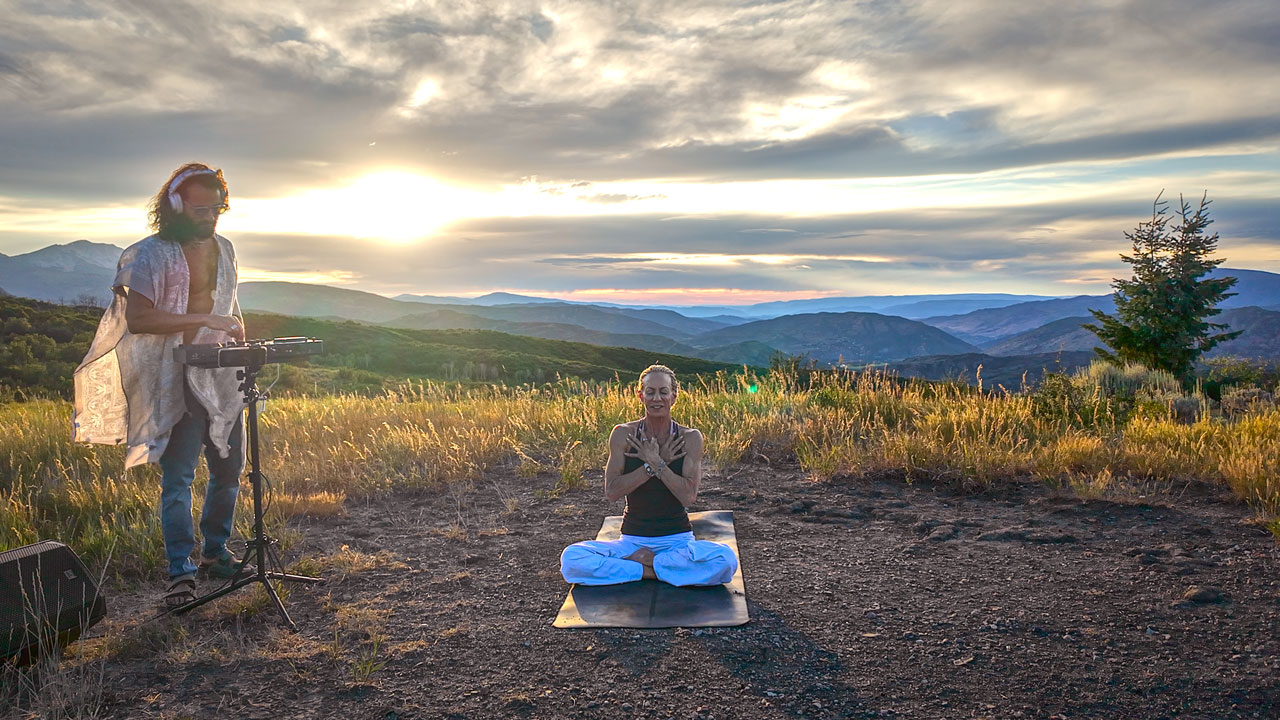
If your training includes music, ritual, chanting, or spiritual reflection, let yourself be surprised by what resonates. Not every element will land the same way for every student, and that is okay. Yoga is personal. Some practices will feel immediately like home. Others may take time.
The goal is not to force meaning. The goal is to stay open enough to receive what is here for you.
At Drishti Beats, that preparation often includes making room for rhythm, feeling, and inner listening alongside the academic side of training. For many students, that combination becomes the bridge between learning yoga and truly living it.
As your start date approaches, keep your preparation simple and sincere. Practice consistently. Rest well. Make space. Gather your tools. Let your reasons be honest. You do not need to become someone else before teacher training begins. You are preparing to meet the path more fully, and that begins by arriving as you are.