You may love yoga enough to know you want more, but still feel split on the next step. That is where the question of 200 hour vs 300 hour yoga training becomes real – not as a technical requirement, but as a choice about how you want to grow, teach, and relate to the practice.
For many students, the difference is not simply beginner versus advanced. It is foundation versus refinement. One path helps you build your voice. The other asks you to deepen it. Both can be transformational, but they serve different moments in a teacher’s journey.
200 Hour vs 300 Hour Yoga Training: The Core Difference
A 200-hour training is the foundational certification most aspiring teachers begin with. It is designed to give you the roots of yoga teaching – anatomy, sequencing, philosophy, ethics, teaching methodology, and practice teaching. If you want to teach yoga professionally and have not yet completed a teacher training, this is the traditional first step.
A 300-hour training is an advanced certification completed after a 200-hour program. It is not a substitute for a 200-hour training. Instead, it builds on what you already know and asks for greater maturity in your practice, your teaching, and your understanding of yoga beyond the poses.
This is why the comparison can be misleading if it sounds like two equal entry points. They are not. A 200-hour training is where most teachers begin. A 300-hour training is where many teachers return when they are ready for more nuance, more confidence, and a stronger sense of purpose.
Who a 200-Hour Training Is Really For
A 200-hour program is for the dedicated student who feels called to go deeper, whether or not teaching is the immediate goal. Some people enter knowing they want to lead classes. Others sign up because yoga has changed their life and they want to understand it from the inside out.
At this level, you are learning how to hold a class safely and responsibly. You are developing literacy in alignment, breath, cueing, and class structure. You are also beginning the inner work that makes teaching feel authentic rather than performative.
This matters because new teachers often assume confidence comes first. In reality, confidence usually grows from repetition, guidance, and a clear framework. A strong 200-hour training gives you that framework. It helps you move from loving yoga to being able to share it in a grounded, ethical way.
If you are still discovering your style, a 200-hour training offers room for exploration. You do not need to have your niche figured out yet. You need curiosity, commitment, and a willingness to practice teaching before you feel fully ready.
Who a 300-Hour Training Is For
A 300-hour training is for certified teachers who want depth, not just another credential. Sometimes that means sharpening your sequencing and assist skills. Sometimes it means healing burnout, reconnecting to philosophy, or finally finding your own teaching voice after years of trying to sound like everyone else.
The best advanced trainings are less about checking boxes and more about integration. You are no longer learning only how to teach a yoga class. You are learning how to teach from lived experience, clearer discernment, and deeper embodiment.
That can make a 300-hour training especially powerful for teachers who feel stuck between competence and inspiration. You may already know how to lead a room, but still feel there is another layer waiting for you – more spiritual depth, more creativity, more confidence in your perspective, more skill in serving different bodies and needs.
A 300-hour path can also support teachers who want to expand professionally. Maybe you want to lead workshops, specialize in certain populations, refine your understanding of meditation or subtle body practices, or work toward a 500-hour credential. In that sense, advanced training can open doors. But the most meaningful reason to do it is usually internal. You are ready to become a more intentional teacher.
200 Hour vs 300 Hour Yoga Training: Curriculum and Experience
In a 200-hour training, the curriculum usually focuses on breadth. You cover the major pillars of modern teacher training so you can graduate with a solid, balanced base. Expect a blend of asana, anatomy, philosophy, pranayama, meditation, ethics, and teaching practice.
Because it is foundational, the learning curve can feel steep. You are absorbing a new language while also confronting your own habits, doubts, and patterns. It is deeply rewarding, but it can be humbling. That is part of the process.
In a 300-hour training, the experience is often more layered and specialized. There is usually less emphasis on basic orientation and more on refinement, application, and depth. Discussions can become richer because everyone has already taught, practiced, and faced real-world questions.
You may spend more time on advanced sequencing, energetics, trauma awareness, philosophy in action, subtle anatomy, mentorship, business development, or finding your authentic teaching voice. The exact curriculum varies, but the spirit is expansion through experience, not expansion through information alone.
How to Choose the Right Path
The clearest question is simple: have you already completed a 200-hour training? If not, start there. A 300-hour program is not meant to replace foundational teacher education.
If you have completed your 200-hour, the decision becomes more personal. Ask yourself what you are truly seeking. If you need basic teaching skills, more classroom reps, and a stronger foundation, you may need time to teach and integrate before jumping into advanced study. If you already have that base and feel a sincere call toward deeper learning, a 300-hour training may be the right next step.
It also helps to notice whether you are motivated by pressure or by alignment. Some teachers rush into advanced certification because they think it will make them feel legitimate. More hours do not automatically create clarity. The right training meets you where you are and supports the next honest stage of your growth.
Your lifestyle matters too. A comprehensive program asks for time, emotional energy, and financial investment. Online training can offer the flexibility many adults need, especially if work, parenting, or travel are part of your reality. But flexibility should not come at the cost of support. The strongest programs still create mentorship, accountability, and real connection.
What Each Training Can Give You Beyond Certification
A 200-hour training often gives students something they did not know they were missing – a relationship to practice that feels steadier, more intimate, and more awake. Even before your first class is taught, the process can shift how you listen to your body, how you move through challenge, and how you understand yoga as a living philosophy.
A 300-hour training can give experienced teachers renewal. It can return rhythm to a practice that has become overly task-oriented. It can restore reverence where routine has taken over. For many teachers, this stage is where their work becomes less imitative and more devotional.
That is especially true in spaces where training is approached as both education and transformation. When the learning environment includes community, creativity, and a genuine respect for the spiritual heart of yoga, advanced study becomes more than professional development. It becomes a return to why you began.
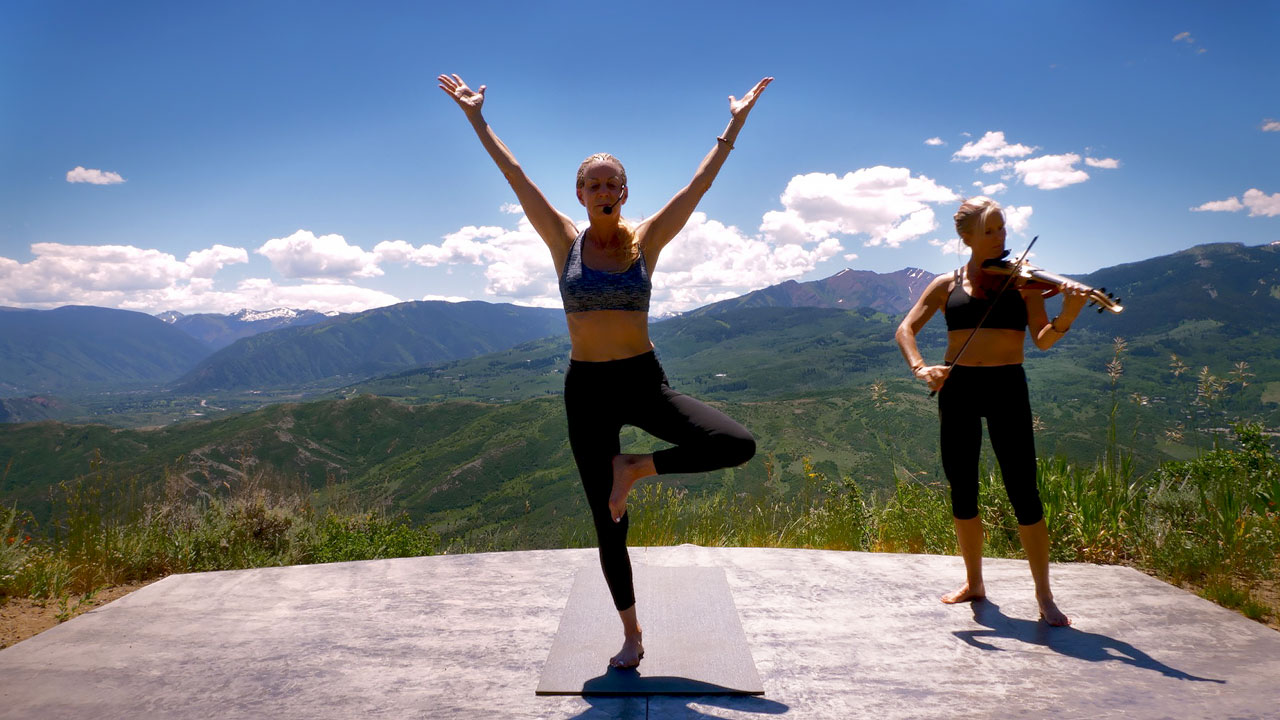
At Drishti Beats, that kind of journey is shaped through flexible online study, soulful teaching, and a music-infused approach that invites learning to be felt, not just memorized.
The Better Question Than Which Is Better
People often ask which training is better, but the wiser question is which training is right for this season of your life. A 200-hour is not lesser because it is foundational. A 300-hour is not better simply because it is advanced. Each one serves a sacred purpose.
If you are standing at the threshold, wanting to teach and wanting to understand yoga more deeply, the 200-hour path can be a powerful beginning. If you have already begun and feel called toward greater depth, refinement, and spiritual expansion, the 300-hour path can meet you there.
The right training should feel like an honest next step, not a performance of ambition. Choose the path that strengthens your roots, honors your rhythm, and helps you teach from a place that feels clear, embodied, and true.