You do not need to put your life on hold to become a yoga teacher. If you have been wondering how to complete self paced yoga certification while balancing work, family, healing, or a full creative life, the answer is less about speed and more about rhythm. A strong self-paced training works when you treat it like a living practice – one that asks for devotion, honest structure, and space to absorb what you are learning.
For many students, self-paced certification is not the easier path. It is the more spacious one. That difference matters. Without a fixed weekend schedule, you are responsible for your own momentum, your own integration, and your own willingness to return to the teachings even when life gets noisy.
What self-paced yoga certification really asks of you
A self-paced program gives you flexibility, but flexibility can reveal your habits very quickly. If you tend to overcommit, you may rush through anatomy lectures without letting the material settle. If you are highly reflective, you may linger in philosophy and postpone practice teaching because it feels vulnerable. Neither pattern is wrong, but both need awareness.
The most successful students do not simply consume course content. They create a container for it. They understand that yoga teacher training is not a binge-watch experience. It is an education in presence, language, ethics, and embodiment. Even online, and especially in a Yoga Alliance-aligned program, you are preparing to hold space for real people with real bodies, histories, and needs.
That means your goal should not be just finishing modules. Your goal is becoming teachable, trustworthy, and rooted in your voice.
How to complete self paced yoga certification without losing momentum
The first step is choosing a timeline that reflects your real life, not your ideal life. Many students sign up imagining they will study every morning for two hours. Then work deadlines shift, kids get sick, energy dips, and the whole plan collapses. A gentler and more sustainable approach is often better. If you can consistently give four to six hours each week, that is enough to make meaningful progress.
Once you know your weekly capacity, map the program into phases. Start with orientation and foundational study. Move next into regular asana practice, anatomy, and philosophy. Then make room for sequencing, cueing, and practice teaching. Save extra time at the end for integration, assignments, and any final practicum requirements. A phased approach keeps the path from feeling emotionally crowded.
It also helps to assign different kinds of learning to different states of mind. Watch lectures and take notes when you are alert. Read philosophy or journal when you want a quieter, more contemplative entry point. Practice sequencing when your mind feels creative. Teach out loud when you have privacy and energy. Self-paced learning becomes much easier when you stop forcing every task into the same kind of hour.
Build a weekly ritual, not just a study schedule
A schedule tells you when to log in. A ritual helps you arrive.
Before each study session, take a minute to breathe, light a candle, sit in stillness, or write down one intention for what you are about to learn. That small pause shifts your training from task mode into relationship. It reminds you that certification is not separate from practice.
Then keep your weekly structure simple enough to repeat. You might study anatomy on Tuesdays, practice teach on Thursdays, and complete longer video lessons on Sundays. Or you may choose shorter sessions across the week if your attention works better that way. There is no sacred formula here. What matters is consistency.
If you miss a week, do not make it mean you are failing. Begin again. Self-paced training often mirrors yoga itself – return is part of the discipline.
Focus on integration, not completion
One of the biggest mistakes students make is moving through content faster than they can embody it. They finish the lecture, check the box, and move on. But good teaching lives in integration. You need time to feel what a pose does in your own body, to understand why an alignment cue helps, and to hear your own words become clearer through repetition.
This is especially true in philosophy and ethics. It is one thing to memorize concepts from the Yoga Sutras or discuss the yamas and niyamas in writing. It is another thing to let those teachings shape how you teach, listen, and lead. If your program includes reflective assignments, treat them as part of your formation, not as filler.
The same applies to sequencing. A class plan may look beautiful on paper and still feel flat in practice. Teach it. Refine it. Notice where transitions feel abrupt, where your students would need more preparation, and where your own energy naturally rises or softens. Your teaching voice develops in the doing.
Practice teaching earlier than feels comfortable
If you want to know how to complete self paced yoga certification with real confidence, start teaching before you feel fully ready. Not recklessly, and not beyond your scope, but sooner than your inner critic prefers.
Teach a friend. Teach your partner. Teach into your phone camera. Teach one sun salutation, then a ten-minute grounding flow, then a full class. Listen back if you record yourself. You may hear filler words, rushed cues, or moments where your warmth comes through more powerfully than you realized.
This can be humbling, but it is one of the fastest ways to grow. Many self-paced students stay in student mode too long because it feels safe. The shift into teacher mode is where the certification becomes alive.
Create accountability that feels supportive
Freedom without support can start to feel lonely. That is why accountability matters so much in a self-paced program.
Some students do well with a calendar and personal discipline alone. Others need community touchpoints. If your training offers group calls, mentorship, peer practice, or community spaces, use them. If not, create your own accountability. Ask a friend to check in every two weeks. Set monthly milestones. Keep a visible tracker of completed lessons, practice hours, and teaching reps.
Support should help you stay connected, not pressured. There is a difference between sacred accountability and self-punishment. The point is to keep the flame lit.
Know what matters for certification
Not every online yoga training is equal, so part of completing your certification successfully is understanding the program requirements from the beginning. Read the syllabus carefully. Know whether you need written assignments, practice hours, quizzes, observation logs, final teaching videos, or live components. Keep all of that organized in one place.
If your goal is to earn a credential recognized by Yoga Alliance, make sure the school and program structure meet those standards. Recognition matters if you want broader professional legitimacy, insurance access, or teaching opportunities that ask for it. But even here, there is nuance. The letters after your name are meaningful, yet they are not the whole story. Students remember how you make them feel, how safely you guide them, and whether your teaching carries integrity.
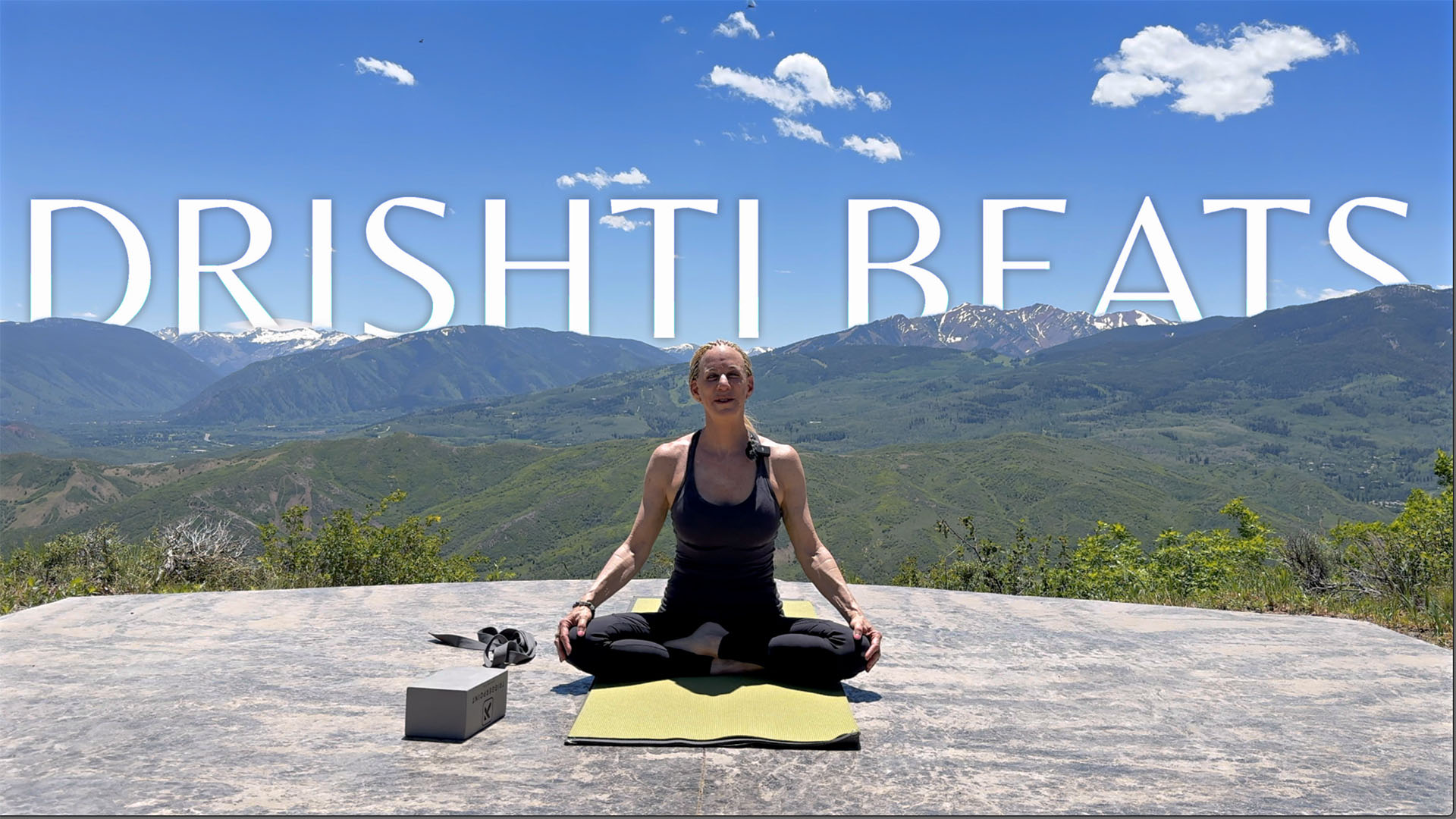
A school like Drishti Beats speaks to students who want that credential and something deeper – a training that honors traditional wisdom while leaving room for creativity, rhythm, emotion, and spiritual connection. That balance can make a self-paced path feel less isolating and far more transformational.
Let your life become part of the training
One hidden gift of self-paced certification is that you do not have to separate your learning from your actual life. You can study nervous system regulation while noticing your own stress response. You can learn about grounding practices during a season of uncertainty. You can explore mantra, meditation, or breathwork while discovering what truly brings you back to center.
This does not mean every life challenge becomes coursework. It means your lived experience can deepen your understanding. The teachings become more than information when they meet you where you are.
That is often why students choose self-paced learning in the first place. They want flexibility, yes, but they also want intimacy with the practice. They want to move at a pace that allows truth to land.
Finish with enough space to begin
When you get close to completion, resist the urge to sprint. Give yourself time to review your notes, retake a practice class from memory, refine your final teaching assessment, and reflect on how you have changed. Completion is not only administrative. It is energetic.
Ask yourself what kind of teacher you are becoming. What do you want students to feel in your classes? What themes keep returning in your journaling, your sequences, your way of cueing breath and presence? A certificate may mark the end of training hours, but it also marks the beginning of your relationship with teaching.
If you move through your self-paced certification with devotion, structure, and room for integration, you will not just finish. You will be ready to stand in front of others with steadiness, humility, and a voice that sounds like your own.