Choosing a teacher training online can feel oddly intimate. You are not just picking a course. You are choosing the voice that will guide your practice, shape your teaching, and influence how you hold space for others. That is why an online yoga alliance certification guide matters – not as a checklist alone, but as a way to find training that meets both professional standards and your deeper purpose.
Online yoga training has matured. What once felt like a backup option is now, for many students, the most realistic and even the most nourishing path. People want flexibility, yes, but they also want substance. They want lineage, mentorship, community, and a learning experience that still feels alive through a screen. The right program can offer all of that. The wrong one can leave you with a certificate and very little confidence.
What an online yoga alliance certification guide should actually help you answer
Most people begin with one practical question: Is this program recognized? That matters, especially if you plan to teach publicly, apply to studios, or continue into advanced training later. But recognition is only the beginning.
A useful guide should help you answer a more complete set of questions. Does the school offer a registered 200-hour, 300-hour, or 500-hour path? Is the curriculum rooted in more than posture cues? Will you receive feedback on teaching, not just recorded lectures? Can you move at your own pace without feeling alone? And maybe most importantly, will this training deepen your relationship to yoga itself, or only teach you how to complete assignments?
That last question tends to separate transactional programs from transformational ones. If your goal is simply to collect hours, you can find that. If your goal is to become a grounded, embodied teacher with a clear voice, the program design matters a great deal.
Understanding Yoga Alliance in an online format
Yoga Alliance is a widely recognized credentialing body in the yoga world. When a school is registered, it means the program has met specific educational standards for the training level it offers. For students, that can provide a layer of trust and a clearer pathway into registration after graduation.
In practical terms, most aspiring teachers start with a 200-hour training. That is the foundational level and often the minimum credential for teaching group classes. A 300-hour training is for teachers who already hold a 200-hour certification and want to go deeper. A full 500-hour pathway may be offered as one comprehensive track or as a combination of 200-hour and 300-hour study.
Online delivery does not automatically lower the quality of a program. Sometimes it improves access in meaningful ways. Students can revisit lectures, study around work or family life, and learn from schools outside their local area. Still, online training asks more of you. It requires self-direction, consistent practice, and a program structure that supports accountability.
How to evaluate an online Yoga Alliance certification guide in real life
The easiest mistake is focusing on the certificate and overlooking the experience. A program can meet formal standards while still feeling thin, rushed, or disconnected. When you are comparing options, start with curriculum depth.
A strong 200-hour training should include asana, anatomy, philosophy, ethics, meditation, pranayama, sequencing, and teaching methodology. But it is not only about whether those subjects appear on a page. It is about how they are taught. Anatomy should help you teach with more care, not overwhelm you with jargon. Philosophy should feel lived and relevant, not pasted in as an afterthought. Practice teaching should be central, because confidence is built through repetition and reflection.
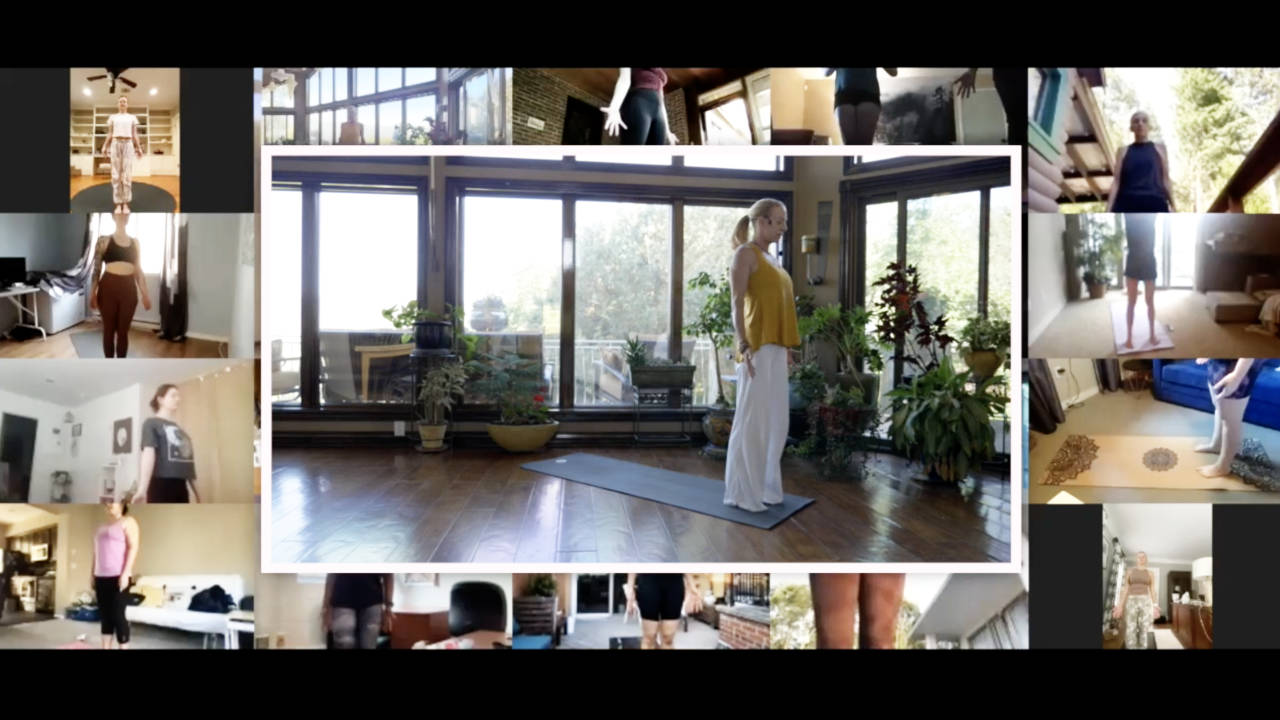
Faculty presence matters just as much. Some online trainings are almost entirely self-study. That can work for highly independent learners, but many students need direct mentorship to truly integrate what they are learning. Look for live calls, office hours, feedback on assignments, or opportunities to be seen while teaching. If a school promises transformation but offers no real human touch, that is worth pausing over.
Community is another factor people underestimate. Yoga teacher training can stir a lot internally. Old patterns surface. Confidence wavers. Insight arrives in surprising moments. Being part of a cohort, even a virtual one, can make the difference between finishing a program and being changed by it. A thoughtful online school creates connection on purpose, not by accident.
The trade-offs of online training
Online learning gives you freedom, but freedom has edges. If you need external structure to stay on track, a fully self-paced format may feel harder than expected. If you learn best through in-person energetic exchange, you may miss some of that immediacy online.
On the other hand, online study can create a more honest relationship with your practice. You learn in your real life, not inside a retreat bubble that disappears after two weeks. You practice teaching from your home, your voice, your actual nervous system. For many future teachers, that makes the training more sustainable and more real.
There is also the financial side. Online programs are often more accessible than in-person intensives, but lower cost should not be the only deciding factor. Sometimes a bargain program costs more in the long run if it leaves you underprepared and searching for extra mentorship later. Value is not just tuition. It is support, depth, and whether the training helps you step into teaching with clarity.
What makes a program feel aligned
This is where discernment becomes personal. Two schools may both be Yoga Alliance registered and still feel completely different. One may speak mainly to fitness professionals. Another may center spiritual practice, self-inquiry, and the inner life of teaching. Neither is automatically wrong. It depends on who you are becoming.
If you are drawn to yoga as a path of embodiment, service, and transformation, pay attention to whether the school honors those dimensions. Does it make room for devotion as well as discipline? Does it encourage personal voice, or does it train students to teach in one rigid style? Does the school understand that a great teacher is not just technically correct, but present, compassionate, and connected?
For many students, the most meaningful online programs offer both rigor and resonance. They teach alignment and sequencing, but they also teach how to listen. They support your professional future while respecting that yoga is not only a career track. It is a relationship.
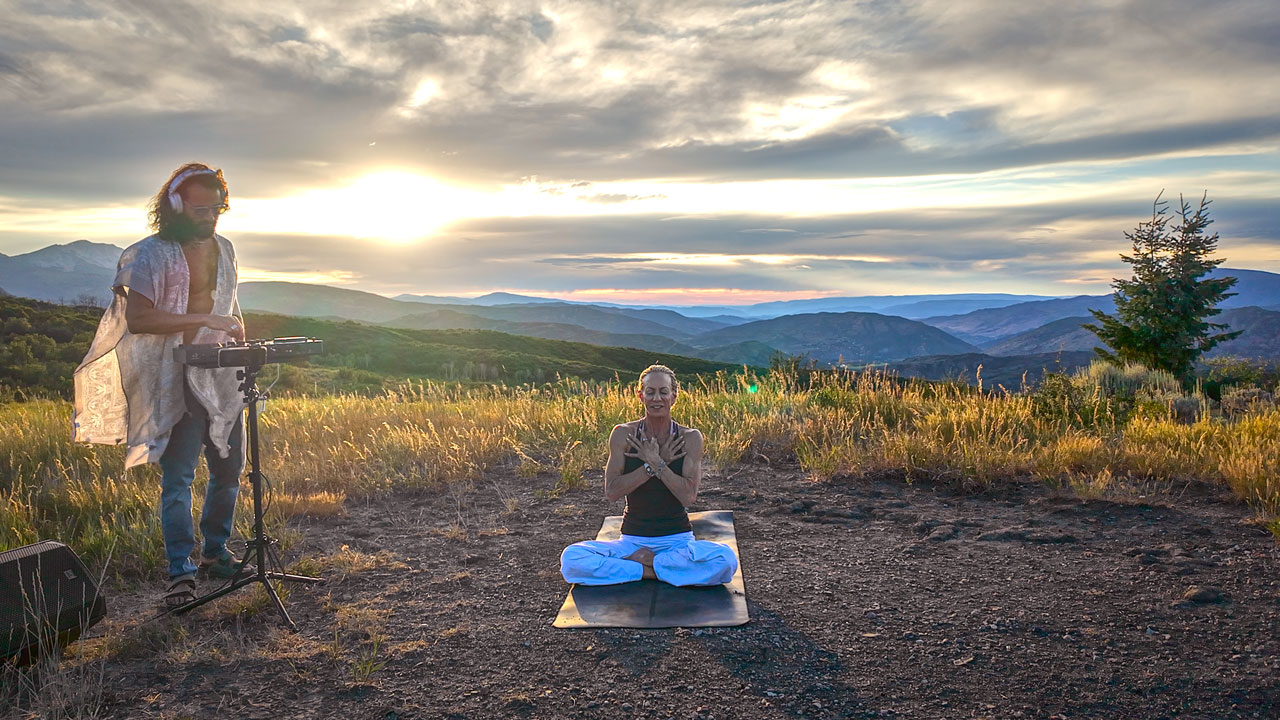
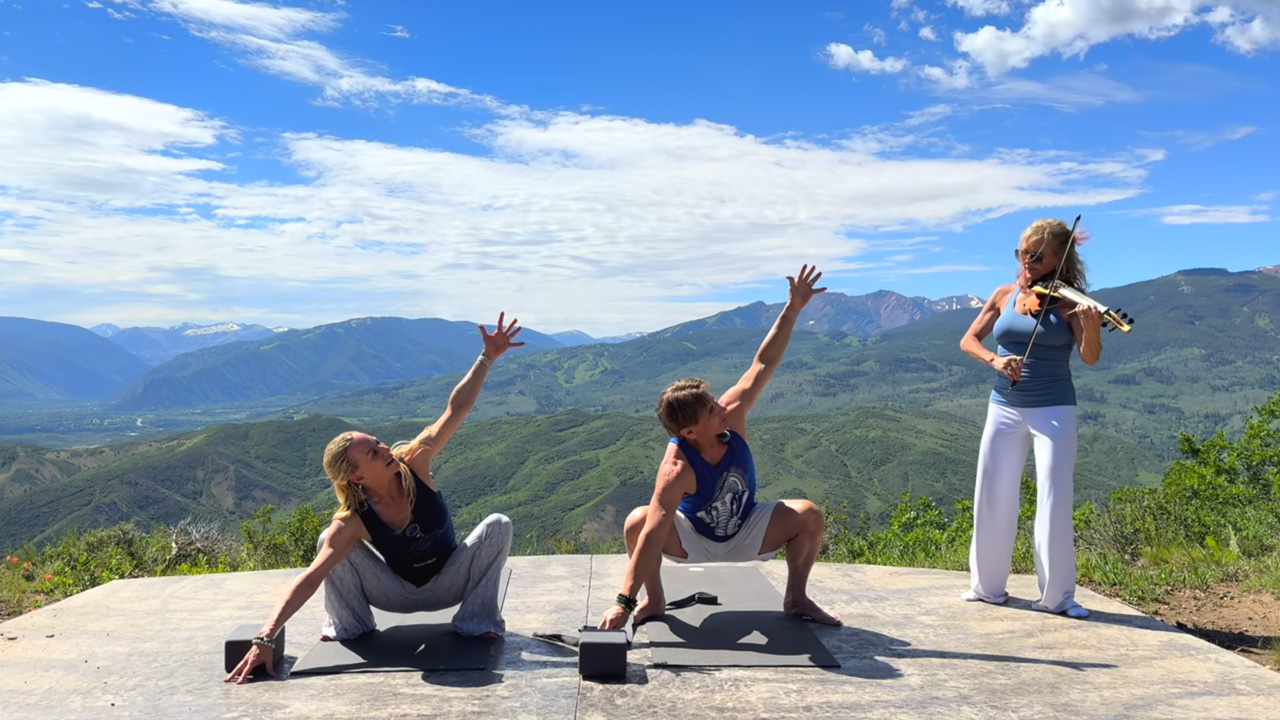
That is part of what makes a school like Drishti Beats stand out for students seeking more than a standard digital certification. The blend of recognized training, spiritual depth, music, rhythm, and community speaks to people who want their education to feel alive, not mechanical.
Questions to ask before you enroll
Before committing, read beyond the sales language. Ask how long students have access to materials. Ask whether there are live components and whether attendance is required. Ask how practice teaching is evaluated. Ask what kind of mentorship is available if you struggle. Ask whether the program welcomes different bodies, backgrounds, and teaching goals.
You should also ask yourself a few honest questions. Do you want a fast completion, or do you want time to integrate? Are you taking this training primarily to teach, or to deepen your own life? Do you feel nourished by autonomy, or do you need more direct accountability? The best program for you is not always the most popular one. It is the one that supports how you actually learn.
Online yoga alliance certification guide for the next step
If you are standing at the threshold, try not to rush the decision just because you are eager to begin. Read the curriculum. Listen to the tone of the teachers. Notice what your body feels when you imagine learning in that space. A good training should challenge you, but it should also feel safe enough for real growth.
Certification matters. Standards matter. But the heart of this choice is not paperwork. It is whether the training helps you become a teacher who can guide others with steadiness, humility, and presence. Your future students may never ask where you trained online. They will feel, almost immediately, whether your teaching is rooted in lived practice.
So let your search be practical and intuitive. Find the program that honors both. When the structure is sound and the experience is soulful, online learning can become more than convenient. It can become the beginning of a teaching path that feels deeply, unmistakably your own.