If you have ever opened five tabs, compared tuition, scanned a few glowing reviews, and still felt no closer to choosing a program, you are not alone. An online yoga school comparison can look simple on paper, but the real question is deeper: which school will actually support the teacher and human being you are becoming?
That is where many comparisons fall short. They rank features, list hours, and mention certification, but they miss the felt experience of learning. For a committed practitioner or aspiring teacher, the right online training is not just a convenient way to log hours. It is a space where philosophy lands in your body, your voice starts to clarify, and your practice becomes something you can offer with integrity.
How to approach an online yoga school comparison
A meaningful online yoga school comparison starts by looking past the surface. Yoga Alliance registration matters, yes. So do price, flexibility, and curriculum. But if two schools are both technically qualified, the decision often comes down to what kind of teacher formation they actually provide.
Some online schools are built for speed. They help you move through material efficiently, check the boxes, and get certified. That can be useful if your main goal is affordability or a quick credential. Other schools are built for depth. They ask more of you emotionally, spiritually, and intellectually, and they often give more back in return.
Neither path is universally better. It depends on what you need right now. If you are already teaching movement and simply need a recognized 200-hour credential, a streamlined program may be enough. If you want your training to change how you practice, teach, listen, and lead, then you may want something less transactional and more immersive.
What actually separates one school from another
The first separator is educational philosophy. Many online trainings teach postures, anatomy, and sequencing well enough. Fewer schools help students understand why yoga is taught the way it is, how to hold space responsibly, or how to teach from lived experience rather than imitation. A strong school should not leave you sounding like a copy of your lead trainer.
The second is the learning format. Self-paced training sounds liberating, and often it is. It lets you learn around work, parenting, travel, and the natural rhythms of your life. But self-paced can also become isolating if the program is mostly prerecorded videos with little mentorship, feedback, or community. Flexibility is a gift only when structure and support still exist.
The third is cultural and spiritual depth. Some schools frame yoga almost entirely through fitness language. Others honor the philosophical roots, contemplative practices, and devotional dimensions that give yoga its staying power. If spiritual connection matters to you, this difference will not feel minor. It will shape your entire experience.
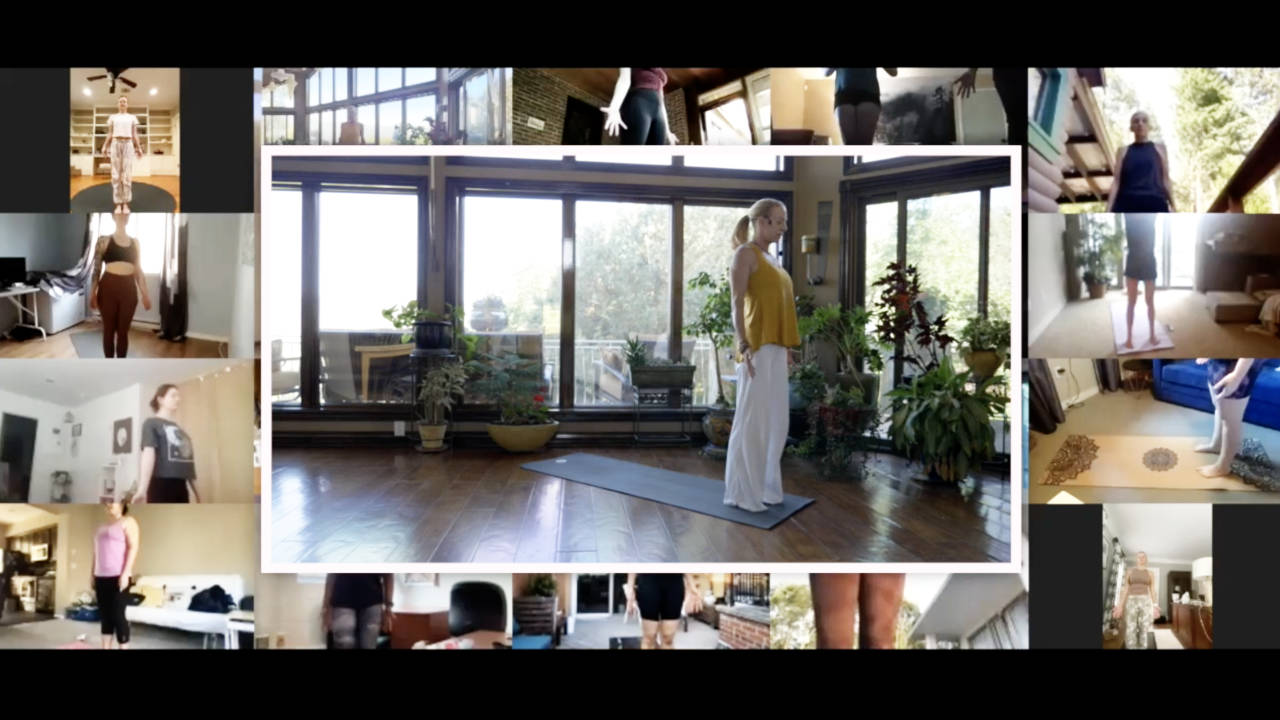
Then there is community. This is one of the most underestimated parts of choosing a school. Online learning does not have to feel distant, but some programs make little effort to create belonging. Others cultivate real connection through live calls, group practice, mentorship, retreats, and ongoing education. If you are looking for more than a certificate, community matters.
The criteria worth using in an online yoga school comparison
When comparing programs, begin with accreditation, but do not end there. Yoga Alliance recognition offers a baseline of credibility and can matter for employment, insurance, and professional trust. It is an important starting point, not the whole story.
Next, look at how the curriculum is taught. Does the school cover anatomy in a way that is accessible and relevant, or does it overwhelm students with information they cannot apply? Does philosophy feel woven into the training, or dropped in as a separate academic requirement? Are teaching labs included, and do you receive feedback that helps you grow?
Faculty quality also matters more than many students realize. An experienced teacher is not always an experienced educator. You want instructors who can transmit knowledge clearly, model integrity, and welcome a range of student backgrounds without becoming vague or performative. The best online schools create a sense that you are being guided, not simply delivered content.
It is also worth asking how the school relates to transformation. That word gets used often, sometimes too casually. A transformational training does not mean emotionally intense for the sake of being intense. It means the program creates conditions for self-study, confidence, discernment, and embodied understanding. You leave not only with more information, but with a steadier sense of who you are as a teacher.
Finally, examine what happens after certification. Some schools disappear once tuition is paid and hours are complete. Others offer continuing education, advanced pathways, mentorship, retreats, practice libraries, and spaces where graduates keep evolving. If yoga is part of your life path, not a one-time achievement, this matters.
Common trade-offs people overlook
Affordable programs can be wonderful, but low price sometimes means limited feedback, minimal live interaction, and a heavier burden on the student to stay engaged. Premium programs may offer stronger mentorship, more nuanced curriculum, and richer community, but not everyone needs every extra layer.
A highly academic school may give you excellent theory but leave you underprepared to teach with warmth and presence. A very heart-centered school may feel nourishing but still need enough rigor to prepare you professionally. The strongest programs tend to bridge both. They honor devotion and discipline at the same time.
There is also the question of pace. Some students thrive with a clear schedule, deadlines, and cohort accountability. Others need room to move slowly, absorb the material, and study in seasons. Be honest here. The best school for your friend may be the wrong one for your nervous system, calendar, or learning style.
What many aspiring teachers are really looking for
Under all the practical questions, many students want something simple and profound. They want a program that sees yoga as more than exercise. They want to study in a way that supports real life. They want to be challenged without being shamed, guided without being controlled, and certified without feeling flattened into a formula.
They also want permission to teach in their own voice. This is especially true for students who have felt out of place in conventional wellness spaces. A school can be polished and recognized and still leave people feeling unseen. Inclusivity is not just about who appears in photos. It lives in the teaching, the language, the examples, and the kind of community that is actually built.
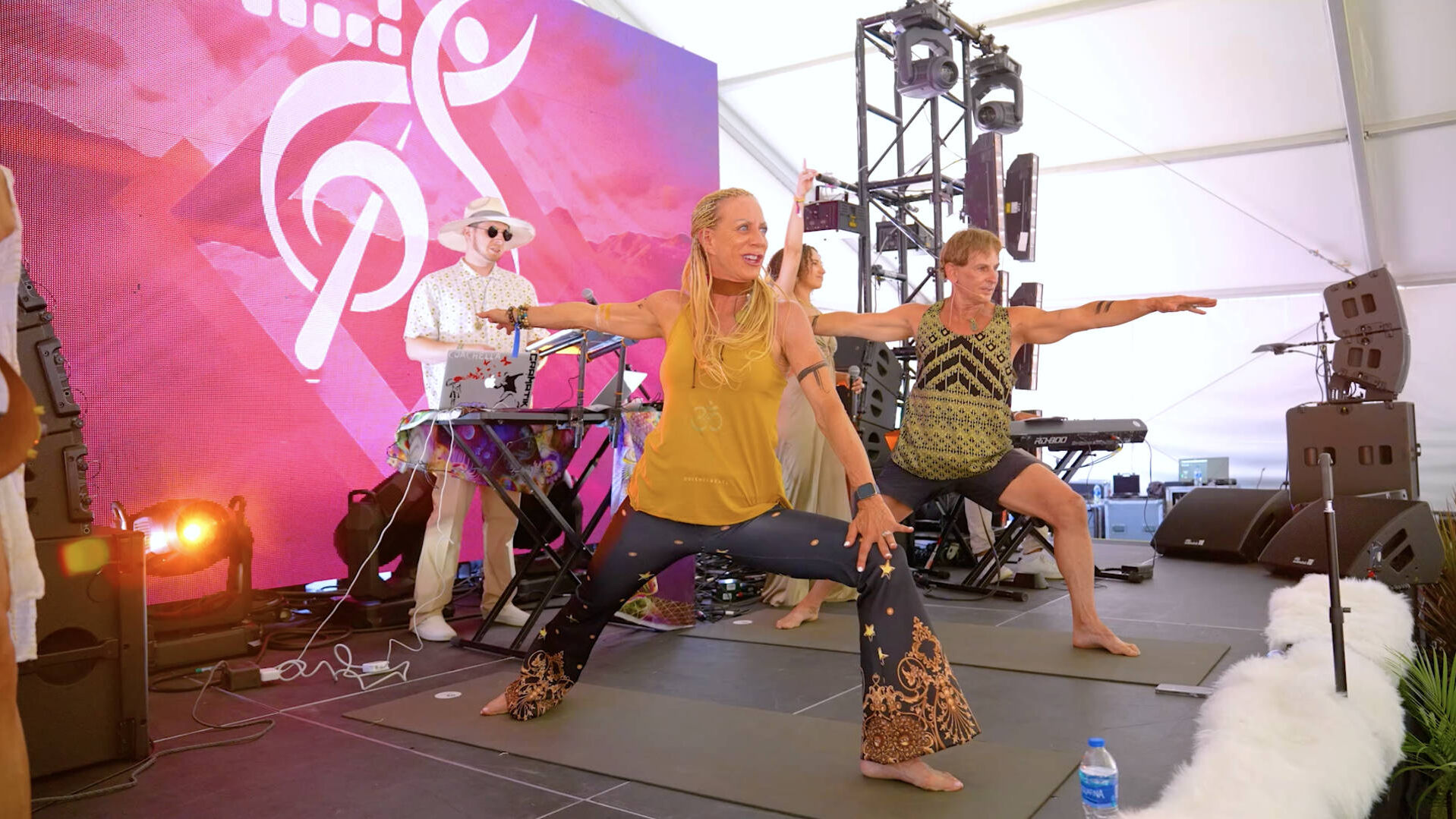
For many modern practitioners, creativity matters too. Yoga is ancient, but learning does not have to feel dry. Music, rhythm, ritual, meditation, discussion, and embodied practice can all deepen retention and connection when they are used with care. A program that engages the whole person often stays with you longer than one that simply delivers information.
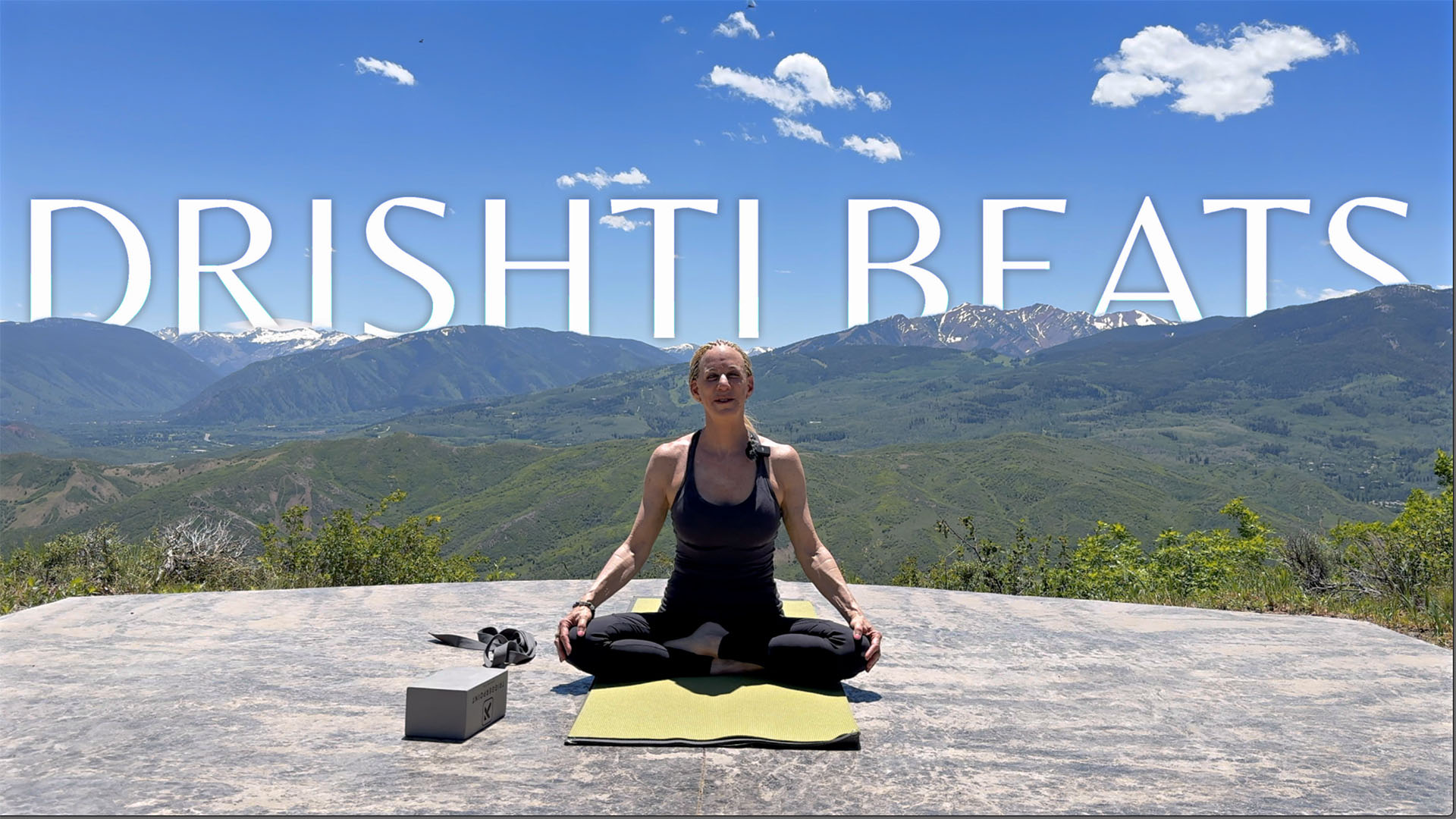
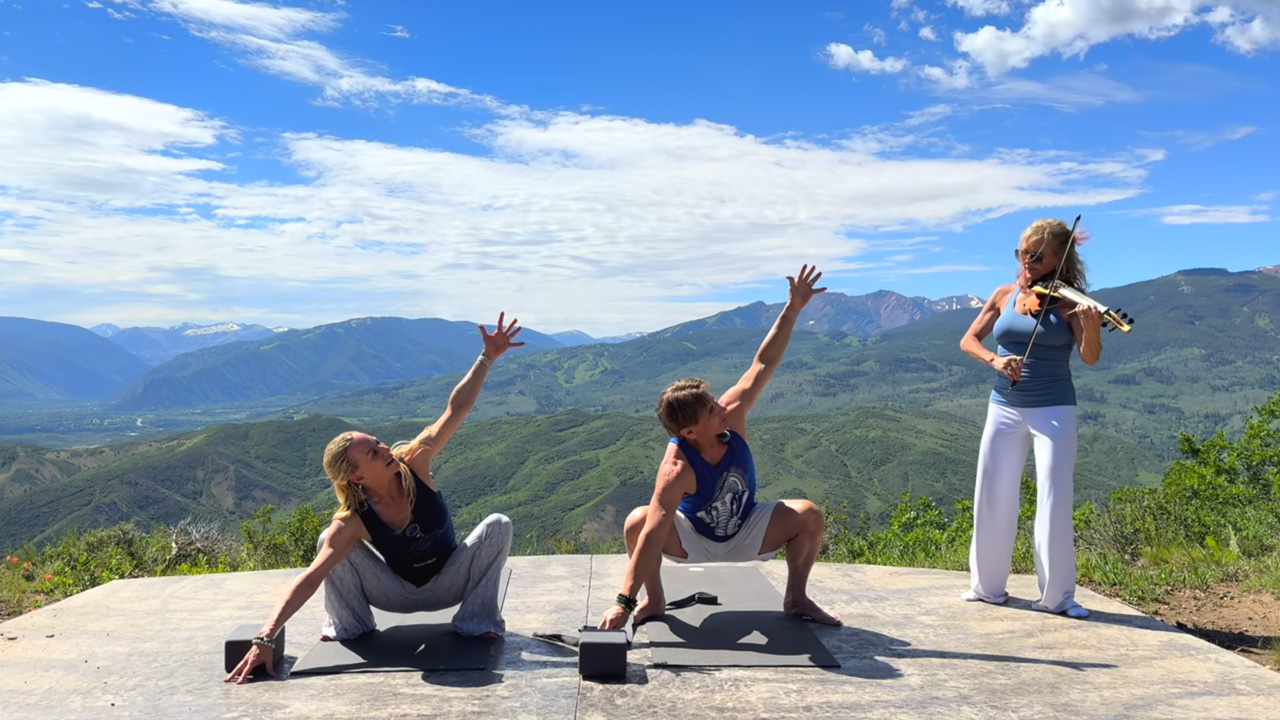
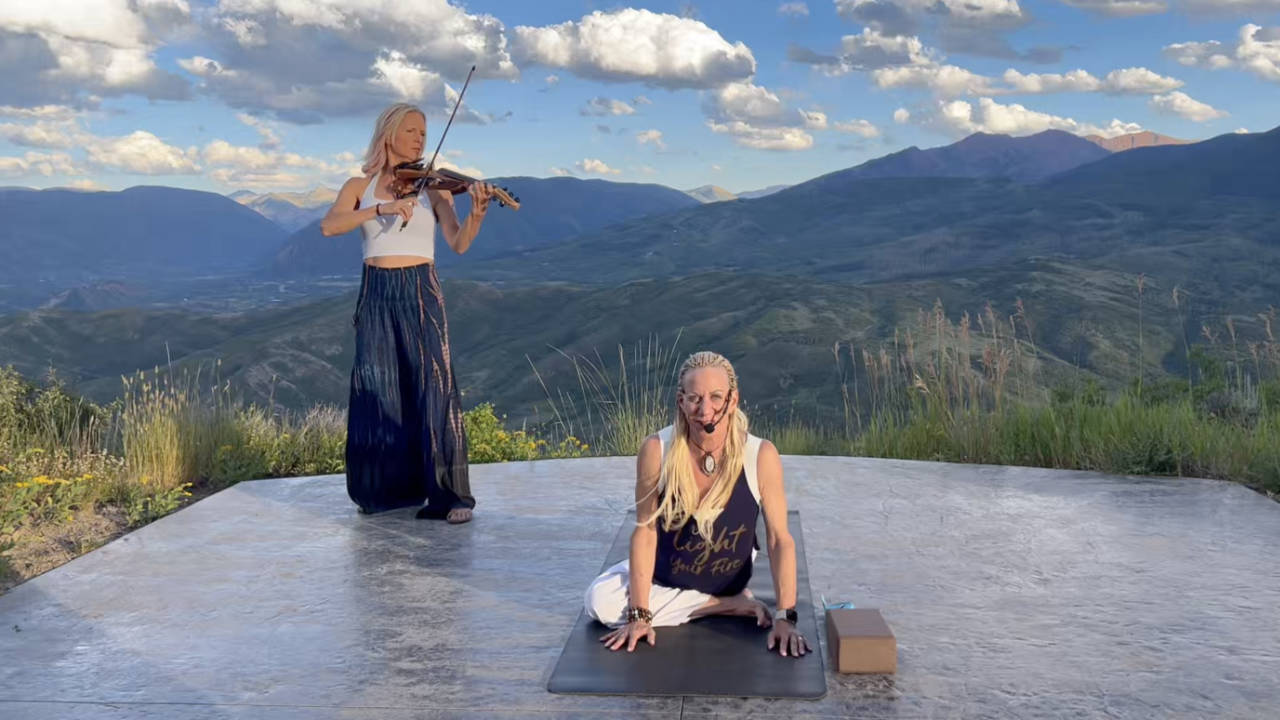
This is one reason some students are drawn to schools like Drishti Beats, where digital certification is paired with spiritual depth, creative energy, and a sense of global community. That kind of approach will not be the right fit for everyone. But for students who want both professional legitimacy and a more resonant learning experience, it can feel like coming home.
Choose the school that matches your intention
If your priority is speed, choose a program that is efficient and accredited. If your priority is confidence in teaching, choose a school with strong practicum and feedback. If your priority is personal healing and spiritual growth, choose a training that treats yoga as a lived path, not just a teaching method.
And if you want all three – flexibility, legitimacy, and depth – expect to compare more carefully. Read beyond testimonials. Look at faculty. Study the curriculum. Notice whether the school speaks only to your ambition or also to your values.
A good training will help you earn a certification. The right one will help you trust your voice, refine your purpose, and stay connected to the heart of the practice long after graduation.
When you make your online yoga school comparison from that place, the choice often becomes clearer. Not because one school is perfect, but because one of them sounds like the way you want to learn, teach, and live.